Hemp industry representatives called for regulatory cuts during testimony before Victoria's Legislative Council Economy and Infrastructure Committee.
In May, Legalise Cannabis Victoria MPs Rachel Payne and David Ettershank introduced a motion to establish a parliamentary inquiry into the industrial hemp sector's potential to strengthen the state's economy.
The committee has since begun examining the obstacles and opportunities facing the industry, with a final report and recommendations to parliament due by November 15, 2023.
At present, just six growers cultivate a combined 169 hectares of hemp across the state, though the inquiry heard there is significant scope for expansion.
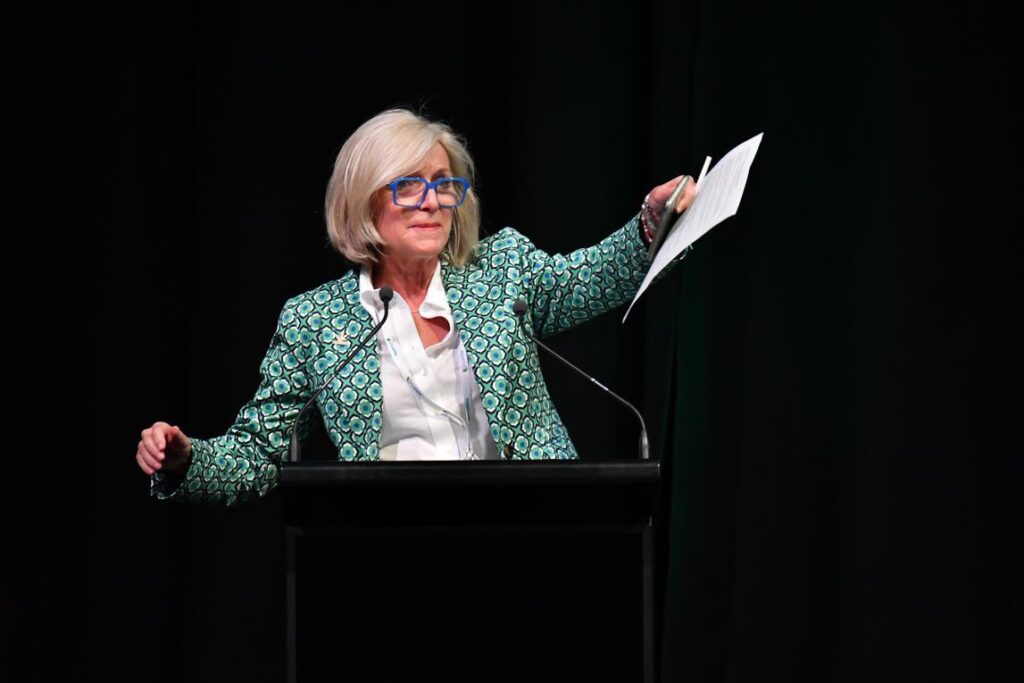
Reason Party leader and former Northern Metropolitan member Fiona Patten previously served on the 2020 Victorian Industrial Hemp Taskforce, which was formed during the 59th parliament.
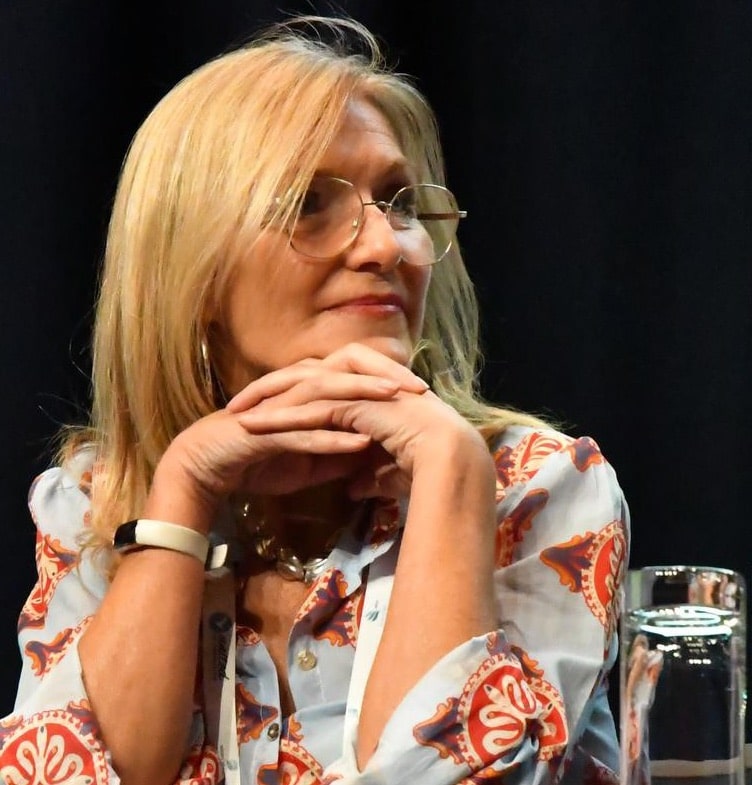
She urged the committee to follow the example of states such as Tasmania by enacting dedicated hemp legislation.
"Regulatory reform doesn't cost the government any money," she said. "Queensland and Victoria are the only two states that treat the growing of hemp as a drug. Every other state has its own standalone Hemp Act, and it sees it as an industrial agricultural crop."
Hemp can be used to produce a wide range of goods, including textiles, paper, building materials, abrasive chemicals, oils, food, inks and cosmetics.
Under current rules, Victorian growers must hold a licence from Agriculture Victoria to cultivate and process industrial hemp and seed for non-therapeutic purposes.
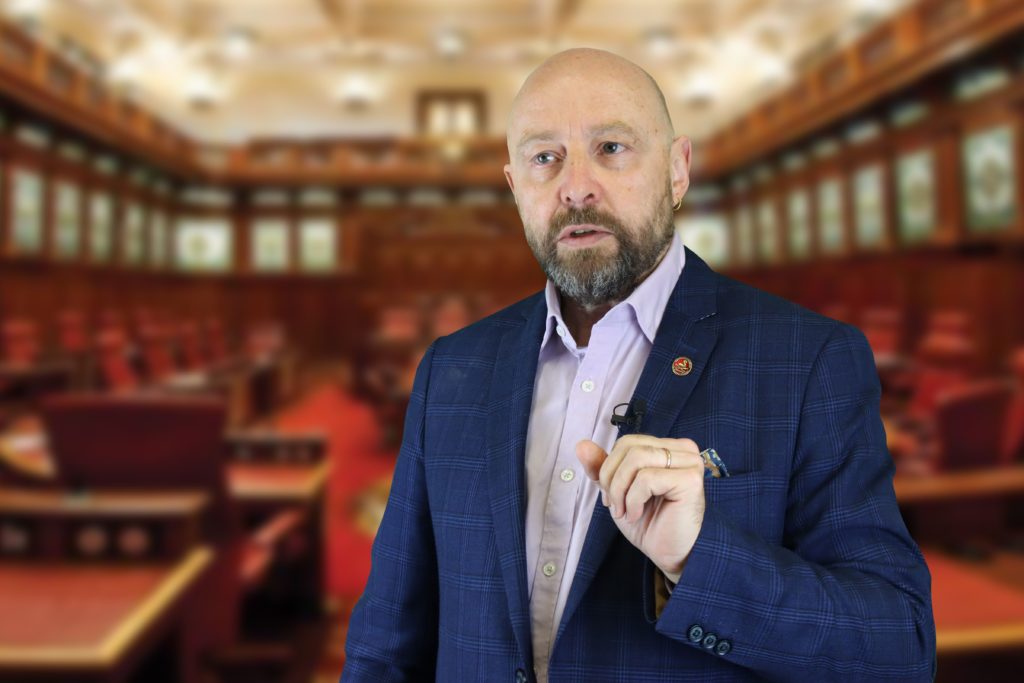
CSIRO senior principal research scientist Dr Stuart Gordon told the committee that some degree of regulation, despite adding costs for growers, would remain necessary.
"Regulation is important because you don't want cross contamination of that crop," he said. "You don't want a high-THC crop, you don't want somebody growing a suspect crop somewhere and your crop being contaminated, if it's going to be used for food."
Medicinal cannabis company OneLife Botanicals stated in its submission that the global industry is forecast to quadruple in value to A$18.6 billion by 2027. The company's cultivation manager, Mark Smith, cautioned the hearing that Victoria is falling behind.
He said: "Currently we're limited [by state and federal regulations] to seed, oil, seed or fibre. That's it. We can't do any extractions. We can't take any of the valuable lignans, pectins, bioflavonoids, anthocyanins or cannabinoids."
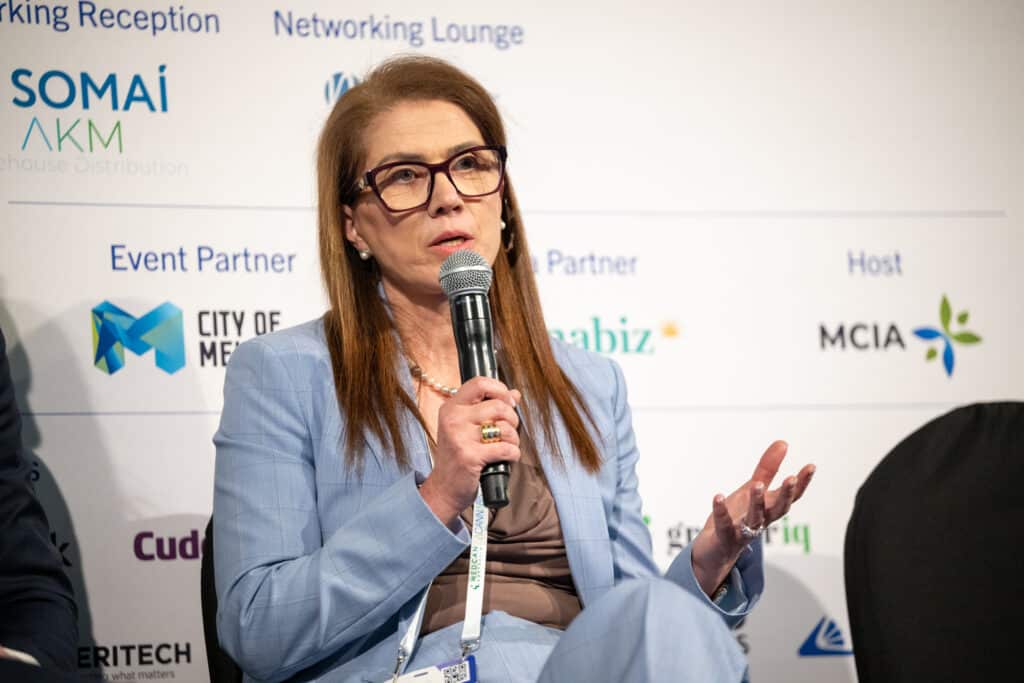
Collective Fashion Justice director Emma Håkansson told the committee that hemp's carbon footprint is 42 times lower than that of wool produced in the state.
"Hemp is also able to last in a really hardy way in a similar way to wool," she said. "Some of the qualities of wool that people find not able to be replaced by something like a synthetic or a cotton can be replaced by hemp. Longevity is really important for sustainability."
For more information about the hearing, click here.