A half-year review of Special Access Scheme data has shown that doctors are prescribing medicinal cannabis to more patients with anxiety, sleep disorders and depression, even as chronic pain — long the dominant condition driving approvals — continues to shrink as a proportion of the total.
These shifts came into focus as Therapeutic Goods Administration (TGA) figures revealed a sharp rise in SAS-B approvals over the most recent two-month period.
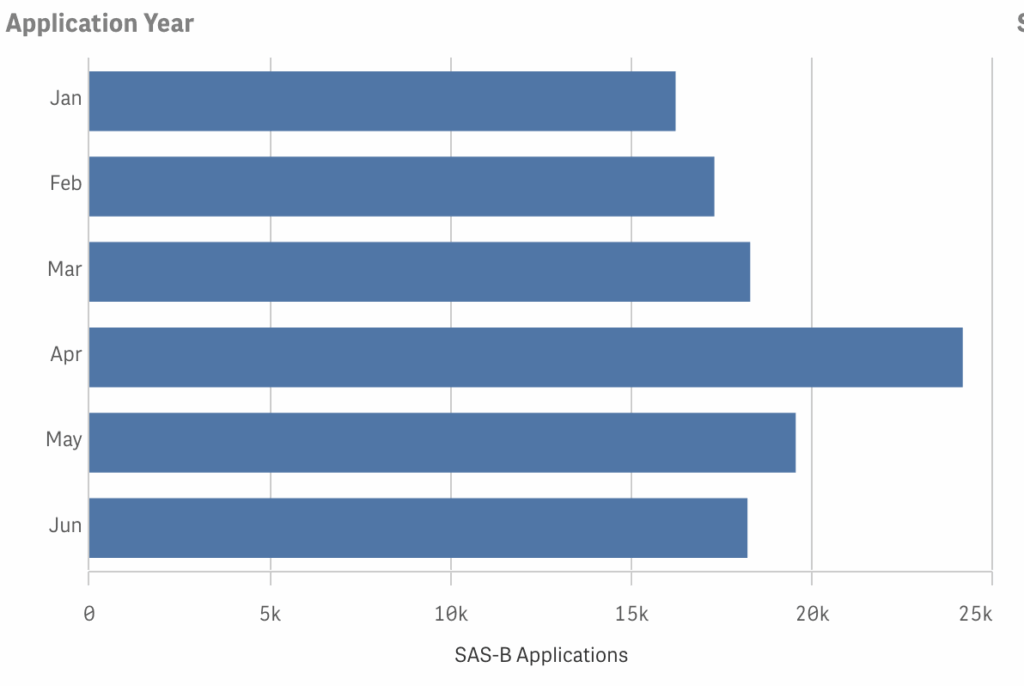
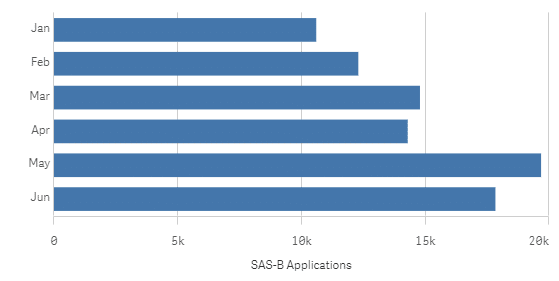
Revised May figures placed successful applications at nearly 20,000, a jump of 5,000 from the number the TGA initially published at the start of June, setting a new monthly high for SAS-B approvals by a considerable margin.
The previous monthly high had been recorded in August 2023, when the TGA approved 15,370 applications.
That momentum carried into June, with the regulator approving a further 17,849 applications. By the midpoint of 2024, total approvals stood at 89,490 — more than 48% ahead of where they were at the same stage in 2023.
A closer reading of the data points to a growing number of patients with anxiety, sleep disorders and depression turning to medicinal cannabis.
Chronic pain remains the condition for which cannabis is most commonly prescribed, yet its proportion of total approvals has declined from above 46% in 2022 to 41% across the first six months of 2024.
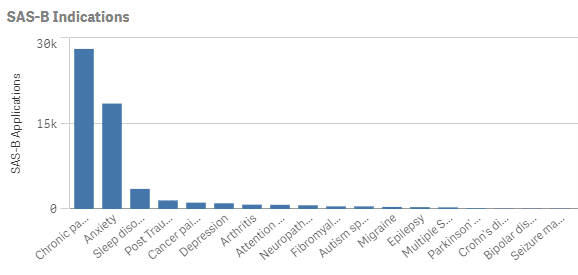
Anxiety now accounts for 32.6% of approvals, two percentage points higher than in 2022, while sleep disorders have crossed the 10% mark — up from 8.4% the previous year and roughly double their share in 2022.
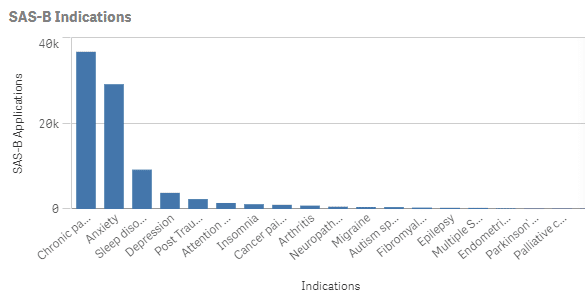
Approvals for depression as a diagnosed condition reached 4.2%, twice the proportion recorded in 2023.
These patterns held broadly across both genders and age groups, though with certain exceptions.
For male patients, chronic pain's share fell from 47% to 42.6%, while among women the decline was steeper — from 48% to 39%.
Anxiety told a more mixed story by gender. Men appeared slightly less likely to be prescribed cannabis for anxiety than they were at the midpoint of 2022, though marginally more so than a year ago. Among women, however, anxiety prescriptions reached their highest level on record.
In 2022, fewer than 7,000 women received medicinal cannabis for anxiety, making up under 30% of approvals in that category. That figure has since climbed to nearly 12,500 in the first half of this year, accounting for almost 36% of the total.
Overall, women's share of all approvals rose to 40%, up from 37.5% in 2022 and 38.7% in 2023, indicating a faster rate of adoption among female patients.
Breaking the figures down by age over the past two years, the TGA dashboard shows younger and middle-aged Australians taking a larger slice of total approvals.
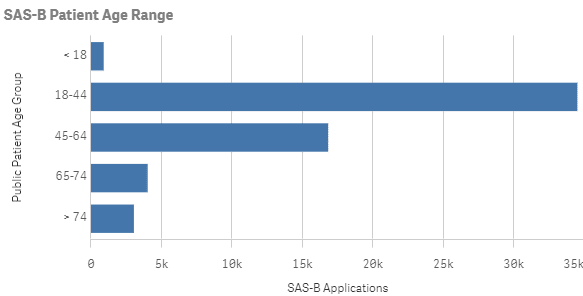
The 18–44 age group accounts for 60% of approvals, up two percentage points from both 2022 and 2023, while those aged 45 to 64 represent 30%, a slight increase on 2023.
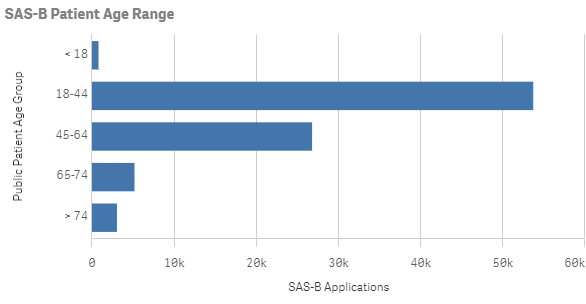
The growth in the 18–44 cohort has not been driven by younger men, as might be assumed, but by younger women. The share of approvals going to men in that age bracket has actually dropped from nearly 40% to 37% since 2022, whereas women in the same group have risen from 18% to 22%.
The data also points to a growing tendency for doctors to prescribe — or for patients to seek — THC-only medicine.
In the first half of 2022, the TGA approved 25,000 category 5 applications, equal to 42% of the total. That proportion climbed to 44% during the same window in 2023 and surpassed 50% between January and June this year, representing more than 45,000 approvals.
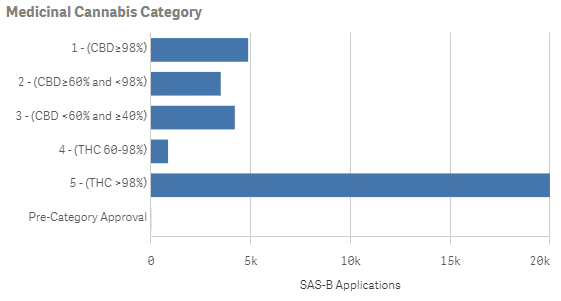
Men aged 18–44 were the demographic most likely to receive a category 5 medicine, with six in ten receiving a THC-only product. That age group also accounted for more than two thirds — 67.6% — of all category 5 approvals for men.
The rise of category 5 products has come largely at the expense of category 4, where approvals have fallen from 5,430 in 2022, a 9% share, to 2,380 this year, just 2.6% of the total.
Category 1 CBD products grew their share from 18% to 19.6%, while category 2 dropped from 16.4% two years ago to 12% this year.
Looking at dosage forms, oil holds its position as the most prescribed format, though the gap with other options continues to close.
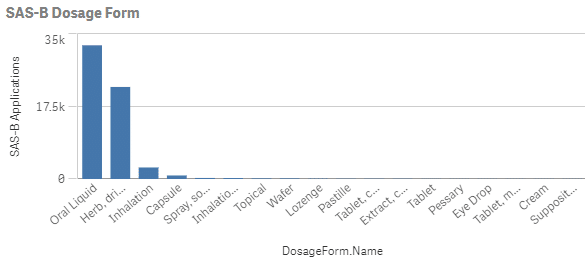
Oil has shed close to ten percentage points over the past 24 months and now sits at under 46%, while flower has grown to 39% of the market from 36% last year.
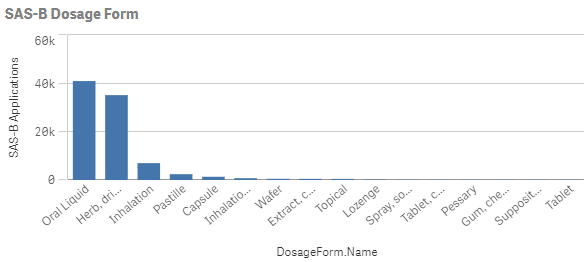
Nearly two thirds of flower approvals were for male patients.
Pastilles, or edibles — absent entirely as a dosage category in 2022 — captured 2.7% of the market in the first half of this year, with inhaled forms rising from 4.6% to 7%.
Capsules have yet to gain traction and have actually lost ground, making up just 1.5% of approved scripts, down from 2% in 2023.
The geographic distribution of TGA applications and approvals has shifted considerably over the past two years.
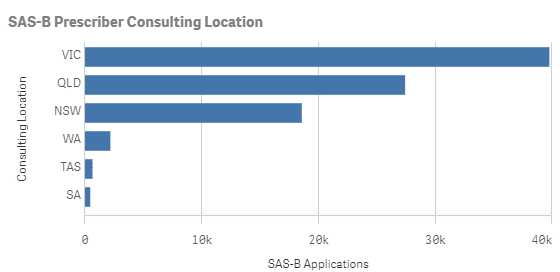
Victoria's share jumped from 25% in the first half of 2022 to 38% last year and further to nearly 46% in 2024.
Queensland has moved in the opposite direction, sliding from a dominant 54% to 31% over the same period — a decline attributed in part to more doctors in the state becoming authorised prescribers.
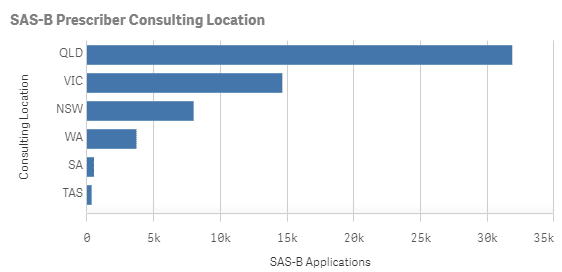
New South Wales has also expanded its share, growing from 7,990 approvals — 13% of the national total — in the January to June 2022 period, to 18,570 this year, equal to 20% of all approvals.