A new organisation is set to launch this week with a focus on addressing the lack of cannabis education available to nurses, as demand for the medicine grows and its relevance to patient care becomes more apparent.
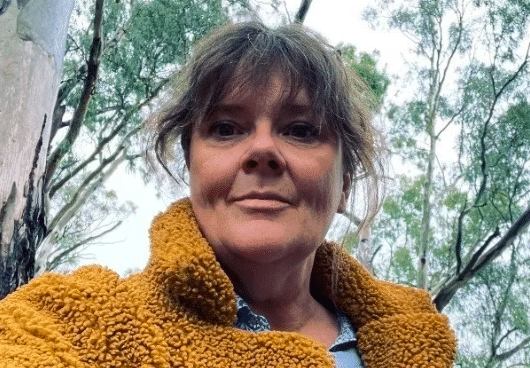
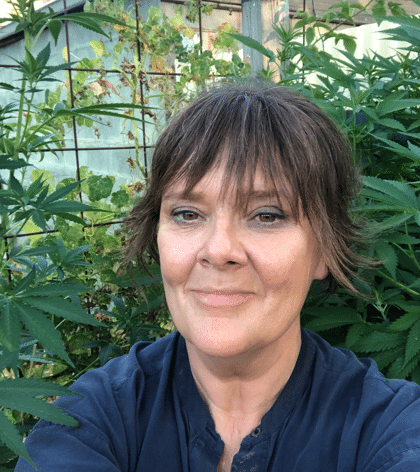
The Australian Cannabis Nurses Association (ACNA) will be headed by nurse practitioner Simone O'Brien, who has been working alongside the Australian Medicinal Cannabis Association (ACMA) to bring the group to life.
A membership website is expected to go live before the end of the week.
O'Brien said that while prescribers and practitioners have access to various resources, nurses have largely been left without dedicated training, despite encountering medicinal cannabis with growing frequency and holding an essential front-line role in patient care.
Among the offerings will be a course developed in partnership with the Australian Nursing and Midwifery Federation, covering topics including the endocannabinoid system.
"We've been getting numerous emails and phone calls from nurses wanting support and avenues to get into the cannabis industry and to work as cannabis nurses," O'Brien said.
"The body of our work will be targeting registered and enrolled nurses around their role in managing cannabis, whether that's in a hospital or home environment.
"We don't feel that nurses and care workers – who are working with patients in their homes and in hospitals and who are encountering medical cannabis – have sufficient knowledge. Often they tell us, 'we don't know what CBD is, we don't know what THC is'.
"We want to tap into that workforce and get them better educated."
O'Brien, a nurse practitioner who managed her own pain with cannabis following a 2019 accident, insisted nurses have a "huge role" in furthering the awareness and therapeutic benefits that cannabis can provide.
"There is the potential for registered nurses to complete an initial assessment, to assess patients throughout their cannabis journey, to evaluate them and monitor how the cannabis is working," she said.
"Nurses may be required to administer cannabis in hospitals or in homes so they need to know how it works as a medicine.
"Those working in disability may also come across it, as may nurses working in aged care. What we're hearing is that there's nothing they can access about the laws around it and how nurses can incorporate it into their practice."

Nurses also have an important part to play in advocating for medicinal cannabis with doctors who remain hesitant to prescribe it or who lack familiarity with the medicine.
O'Brien said the growing interest in cannabis medicine among nurses is partly a natural progression, while patients themselves are increasingly seeking alternative approaches to pain management.
Some are moving away from conventional medications produced by 'big pharma' due to concerns about side effects, she added.
"A lot of patients do not like some of the medications they use for PTSD and anxiety because they perceive that it makes them feel ill, it blunts them, takes away their sex drive and things like that," O'Brien said.
"They want quality of life and people are increasingly looking towards cannabinoids and plant-based medicines more generally to achieve that. I see that consistently."
Annual membership of ACNA will cost A$50, which also covers membership of AMCA and includes discounted tickets to the United in Compassion symposium, which last year opened with a one-day nurses' conference.