Legislation designed to protect Victorians from being discriminated against for using prescribed medications — including medicinal cannabis — has been defeated in the Legislative Council.
The Equal Opportunity Amendment (Medical Treatment) Bill 2026, introduced by Legalise Cannabis Victoria MPs, sought to clarify that employers, landlords and service providers could not discriminate against individuals for taking prescribed medication or receiving medical treatment for a disability.
The bill drew on recommendations from a 2024 Victorian parliamentary inquiry into workplace drug testing, which received evidence that medicinal cannabis patients had been dismissed from their jobs after returning positive THC tests despite showing no signs of impairment.
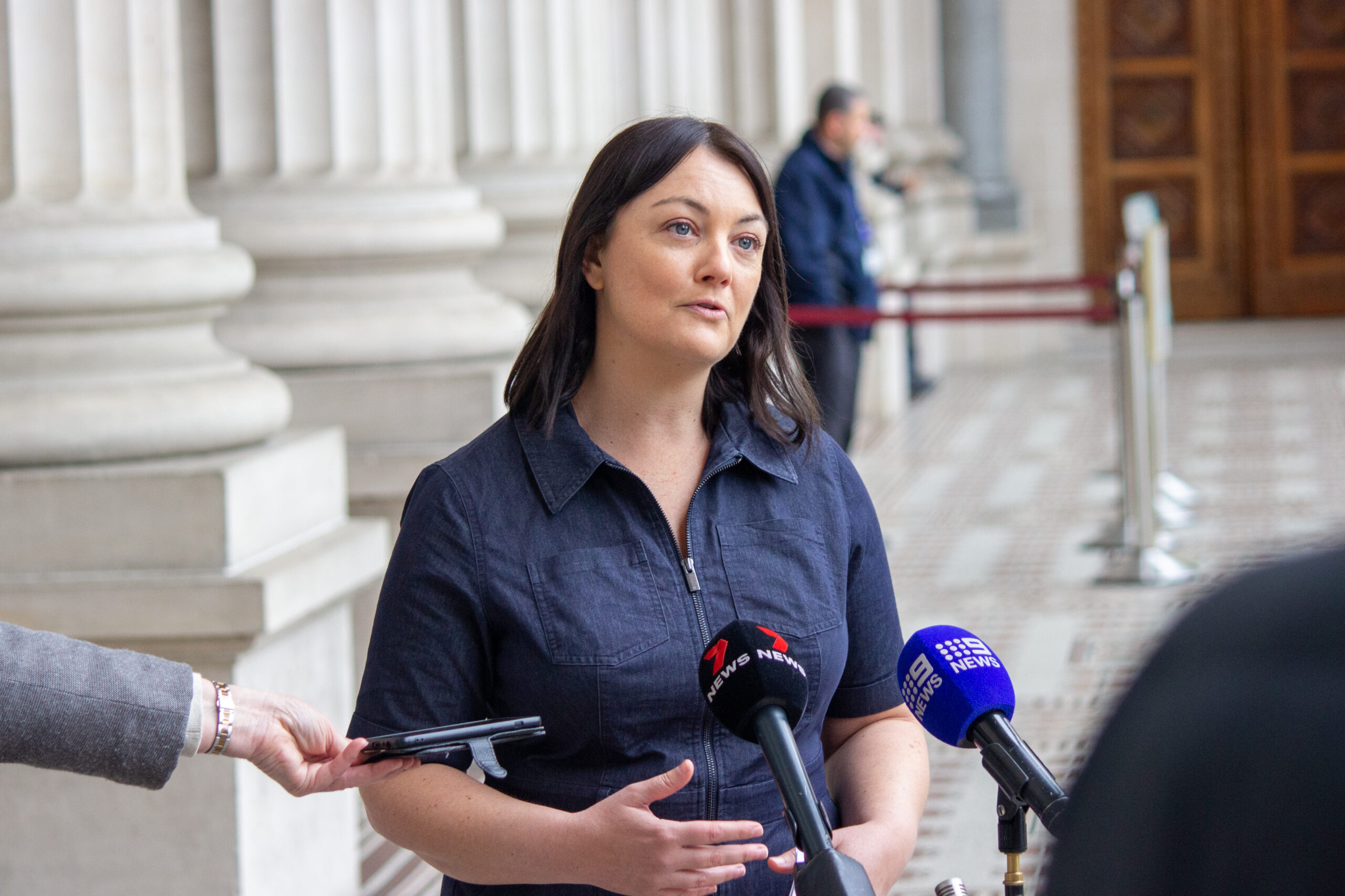
Legalise Cannabis Victoria MP Rachel Payne told the chamber the reform had been needed for some time.
"To deny the changes we are asking for is to support and uphold discrimination," she said. "Being fired from your job for taking medicine that helps you is no laughing matter."
The bill faced an uphill battle after both the Labor government and the Coalition declined to lend their support, with debate adjourned and the legislation effectively shelved.
Payne called it a "disappointing day for anyone who has ever needed a medical treatment or a prescribed medication," while her Legalise Cannabis colleague David Ettershank said: "Sadly, we are not so much surprised, but deeply disappointed by both Labor and Liberal. This was a very simple, meaningful change."
Labor MP Sonja Terpstra acknowledged the matter was "worthy of discussion" but said the government would not back the bill, pointing to its standing position against private members' legislation.
From the opposition benches, Liberal MP Evan Mulholland questioned what the bill would achieve in practice, warning it risked creating "legal confusion rather than clarity."
Speaking after the debate, Ettershank said the bill was a "simple amendment" intended to close what he described as a gap in existing law.

"If you have chronic arthritis, that's considered a disability. You can't be sacked for having chronic arthritis because that's a disability. But you can be sacked because you take medication for it that's been prescribed by your doctor," he said.
"The law is at best ambiguous as to whether taking medication to treat a disability is covered by the act."
Ettershank said the bill had not been challenged on its substance during the debate and that it was grounded in recommendations that a parliamentary committee had backed unanimously during the 2024 inquiry.
He said its failure came down to the government's entrenched stance on private members' legislation and the dwindling sitting schedule ahead of the next election.
"The government has a policy that it doesn't support private members' bills, and it's the only parliament in Australia that does that," he said.
"There's only seven sitting weeks before the election, so they're running down the clock."
Payne added: "This recommendation was unanimously endorsed by all parties on the parliamentary inquiry, and our amendment before the house is true to that recommendation from the Equal Opportunity Commission.
"I mean – come on – being able to take your medication is a fundamental human right, and no-one should face discrimination for safeguarding their health with a necessary treatment or prescribed medication."