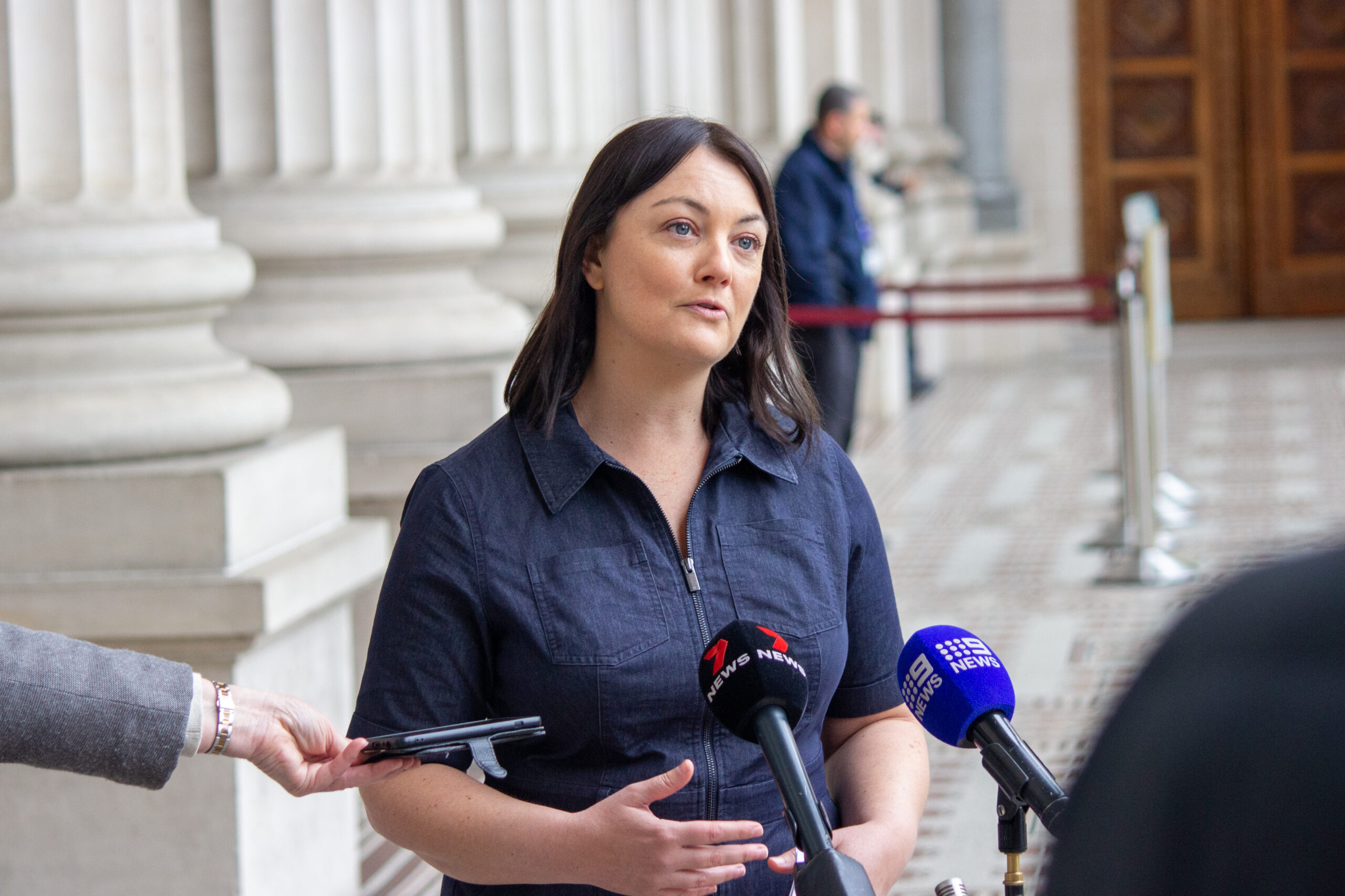
Legalise Cannabis Victoria has tabled a motion in parliament seeking changes to workplace drug testing laws, which the party argues are outdated and penalise workers who hold valid medicinal cannabis prescriptions.
The motion is set to go before parliament on July 30 and calls for amendments to workplace safety and anti-discrimination legislation to provide greater protections for employees with prescriptions.
The push follows a state parliamentary inquiry into workplace drug testing that put forward seven recommendations, including legislative reform and revised WorkSafe guidance, aimed at ending discrimination against workers taking prescribed medication.
Legalise Cannabis MP David Ettershank said workers were losing their jobs after returning positive drug tests, even when they were not impaired and had legally obtained their prescriptions.
"Almost two million medicinal cannabis scripts have been issued nationally since 2020 but sadly we know of workers who have lost their jobs because trace elements of THC were detected in a workplace drug test – they were in no way impaired," he said.
"Increasingly, medicinal cannabis is being used as an effective but gentler and less addictive alternative to opiates and benzodiazepines."
"Yet medicinal cannabis patients continue to face disciplinary action at work for taking their medicine – a medicine that helps them get a good night's sleep, alleviates pain, and arguably helps them do their job better."
Ettershank said many workers were being placed in an impossible position between their employment and their health.
"Only a small number of industries are required to do mandatory testing under the law, yet many workplaces elect to do drug testing," he said.
"Workers, prescribed medicinal cannabis, are being forced to choose between risking their job or abandoning their medication and living with pain."
Although last year's inquiry backed reform, it also recognised employer concerns around safety — particularly in high-risk settings — and emphasised the importance of weighing patient rights against the obligation to maintain safe working environments.
Legalise Cannabis MP Rachel Payne said any changes to policy needed to account for current medical evidence and workplace conditions.

"The focus must be on impairment, not on detecting trace elements of THC," she said.
"There are reliable tests including apps that measure impairment. Victoria's workplace AOD policies must reflect contemporary, health-led approaches to occupational health and safety."
Payne also took aim at WorkSafe's existing guidance on the issue.
"Workplace drug testing aims to keep workers safe, but in truth, bad testing policies can have the opposite effect," she said.
"If a worker is scared that they will be sanctioned for taking their medicinal cannabis, they may revert instead to stronger medications, including opiates and benzos.
"WorkSafe must develop a comprehensive alcohol and other drugs compliance code for businesses so that both employers and employees are protected."