A new American study has added to the growing body of evidence suggesting medicinal cannabis could play a significant role in addressing the country's ongoing opioid crisis.
Drawing on a wide-ranging review of existing literature and epidemiological data, the research team concluded that "cannabinoids stand to be one of the most interesting, safe and accessible tools available to attenuate the devastation resulting from the misuse and abuse of opioid narcotics."
Among the key findings were the following:
● During the 1960s, over 80% of people entering heroin addiction treatment had begun their dependency with heroin itself. Today, that figure has reversed, with roughly 80% of those misusing opioids having started with prescription medications.
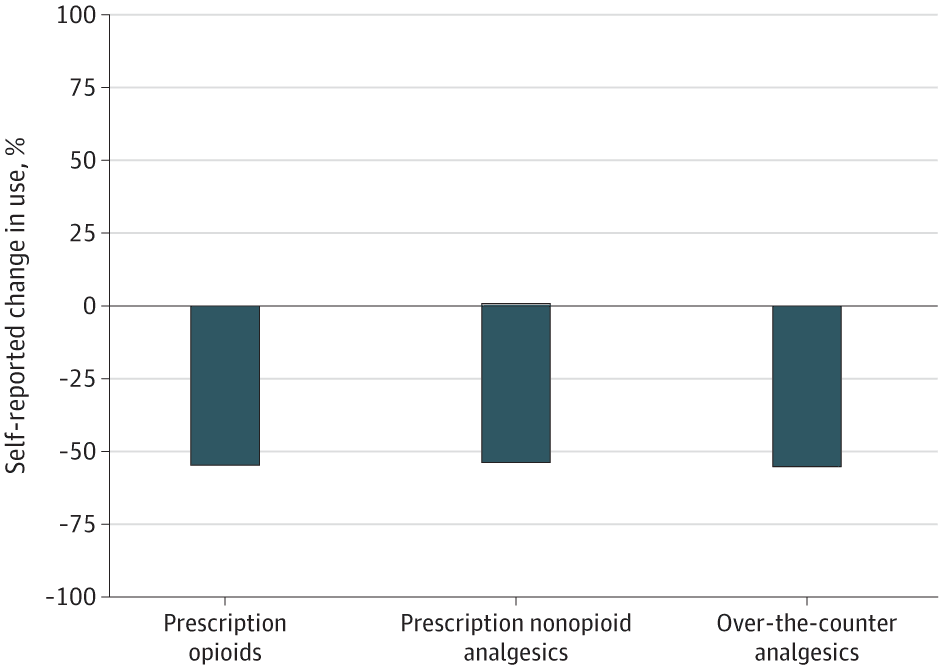
● A survey covering 2,897 medicinal cannabis patients found that among the 34% who had used opioid-based pain relief in the preceding six months, 97% reduced their opioid consumption after taking up medicinal cannabis, and 81% reported that cannabis alone was more effective than using both cannabis and opioids together.
● A retrospective cross-sectional survey of 1,513 dispensary members showed that 77% of respondents who had been regular opioid users cut back after beginning medicinal cannabis. When asked what they valued most about cannabis, pain relief was the most frequently cited benefit.
The paper, titled 'An answered call for aid? Cannabinoid clinical framework for the opioid epidemic', was published in the Harm Reduction Journal and urges the US medical community to pursue cannabinoid-based treatments as an alternative to opioids in patient care.
The researchers conclude: "Considering the urgency of the opioid epidemic and broadening of cannabinoid accessibility amid absent prescribing guidelines, the authors recommend use of this clinical framework in the contexts of both clinical research continuity and patient care."