Two new US studies have added to a growing body of evidence suggesting medicinal cannabis could play a role in addressing the country's ongoing opioid crisis.
Researchers from Emerald Coast Research and Florida State University College of Medicine surveyed 2,183 medicinal cannabis patients shortly after the treatment was legalised in the state.
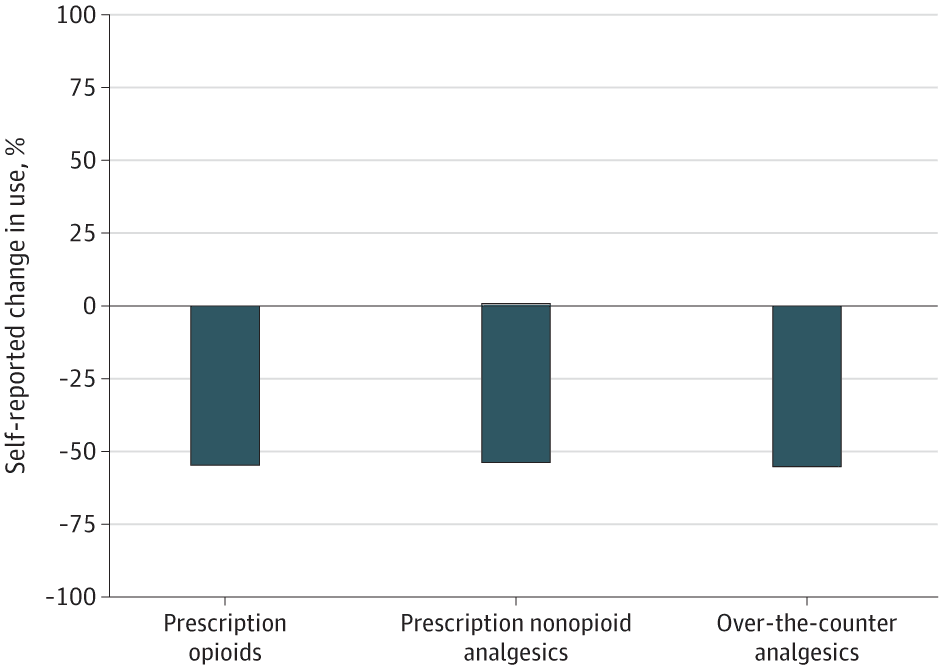
Those surveyed reported lower pain levels and better physical and social functioning following medicinal cannabis use. Among participants who had previously relied on oxycodone, codeine, and other opioids for pain relief, the majority were able to cut back or discontinue them entirely.
The study group covered a wide range of conditions — including anxiety disorders, chronic pain, depression, insomnia, and post-traumatic stress disorder — and most participants were consuming medicinal cannabis on a daily basis.
Around 61% had been taking opioids before receiving a medicinal cannabis prescription, and 70.5% of that group had been doing so for at least two years.
A deeper look at the data revealed that 79% of opioid users managed to reduce or stop their use after beginning medicinal cannabis treatment. Usage of the two most common opioids in the study — hydrocodone with acetaminophen (paracetamol) and oxycodone with acetaminophen — dropped fivefold.
An overwhelming 90.6% of participants described medicinal cannabis as very or extremely helpful in managing their condition, while 88.7% said it was very or extremely important to their quality of life.
Pain levels improved for 85.9% of participants, 84% reported that health issues were no longer interfering as much with their normal social activities, and more than half said physical tasks — ranging from housework to running — had become easier since starting treatment.
The majority of participants (68.7%) experienced at least one side effect, with dry mouth, increased appetite, and drowsiness being the most frequently reported.
Researcher Carolyn Pritchett said: "A large number of people feel the need to take opioid pain medication. If there's the option to instead use a medicine with less harmful side-effects, including a lower risk of overdose and death, then it should perhaps be considered.
"But more research, including studies that follow patients over time, is needed before substituting opioid painkillers for medical cannabis becomes commonplace."
Published in the peer-reviewed journal Substance Use and Misuse, the study has acknowledged limitations, including its reliance on self-selected participants and the retrospective survey design, which introduces the possibility of recall bias. Trulieve Cannabis Corporation provided partial funding.
In a separate study, Philadelphia's Rothman Orthopaedic Institute found that patients dealing with arthritis and chronic back pain similarly cut their opioid consumption when prescribed medicinal cannabis.
That team tracked 226 patients — each certified by their physician to purchase the medicine in Pennsylvania — over a six-month period. Participants used a variety of delivery methods, including vaping, smoking, and edibles.
Opioid use across the group declined by roughly 40%, with 37% of arthritis patients and 38% of those with back pain stopping use of opioids altogether.
Both patient groups also reported reduced pain and improvements in their overall physical health.