Older Australians and Canadians are experiencing adverse reactions to cannabis because they have no reliable way to gauge how much they are actually consuming, according to a prominent academic.
Speaking at a Penington Institute webinar examining cannabis regulation globally, McGill University associate professor Dr Mark Ware said a lack of education is leaving older Canadians vulnerable when they use the substance.
He noted that rising consumption among people in their 50s and 60s following Canada's 2018 legalisation "comes with its own set of risks" because many users do not fully understand what they are taking, particularly when it comes in a format they are unfamiliar with.
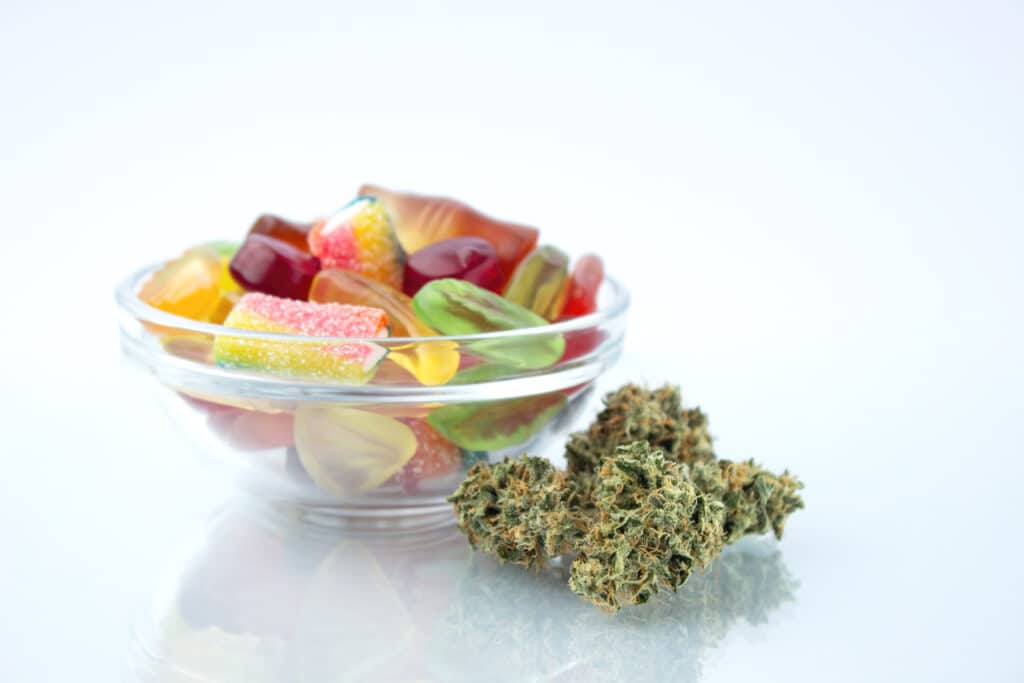
"They're not necessarily smoking the products, they're buying gummies or orals, but they aren't very well educated on what 5mg of THC in a gummy actually does. There's no cognitive meaning [for them].
"We understand what a shot of alcohol, a beer or a glass of wine is, [but] it's still early days for a lot of the population that are trying cannabis."
Ware said even those returning to cannabis after using it decades earlier can be caught off guard, and that broader education is needed to help people make genuinely informed decisions.
"The answer is education," he said. "Not just of the youth – trying to put them off using it for as long as possible – but older people who may be trying it for the first time. They need to be aware of what they're doing. We need really good quality customer awareness."
Ware also pointed to the absence of consistent data on cannabis consumption as a barrier to understanding the full public health consequences of adult-use legalisation.
"We still don't have a unified way of measuring exposure," he said. "We don't know what people are using on a population level. How many joints per day? What's the potency? What kind of gummies?
"We have it with alcohol, we have it with cigarettes, epidemiologists came up with these measures and you start to see the risks associated with use. We don't have that for cannabis yet."
Consultant psychiatrist Dr Paul Henderson agreed that more nuanced conversations about risk are needed, and said healthcare practitioners have a responsibility to reduce stigma so those discussions can actually happen.
He said: "So much has been amplified to 'absolute risk'. When the answer is 'just don't do it' then the chances of somebody getting into an open discussion with you are pretty small."
Henderson said it was essential for medical professionals to speak openly with patients about cannabis use — whether for medicinal or recreational purposes — to determine whether that use was appropriate.
He added: "If they can engage in those sorts of conversations… it's much more likely they're going to get harm reduction at that interface compared to the more blunt and less nuanced response that many receive at the moment."
Associate professor Shalini Arunogiri, clinical director at addiction research and education centre Turning Point, agreed that stigma surrounding cannabis can prevent people from seeking help when they need it.
She added: "The impact of that stigma – and the lack of availability of services – [means] if people do have problems, they don't know where to go for help and it might take a while for them to get into treatment."