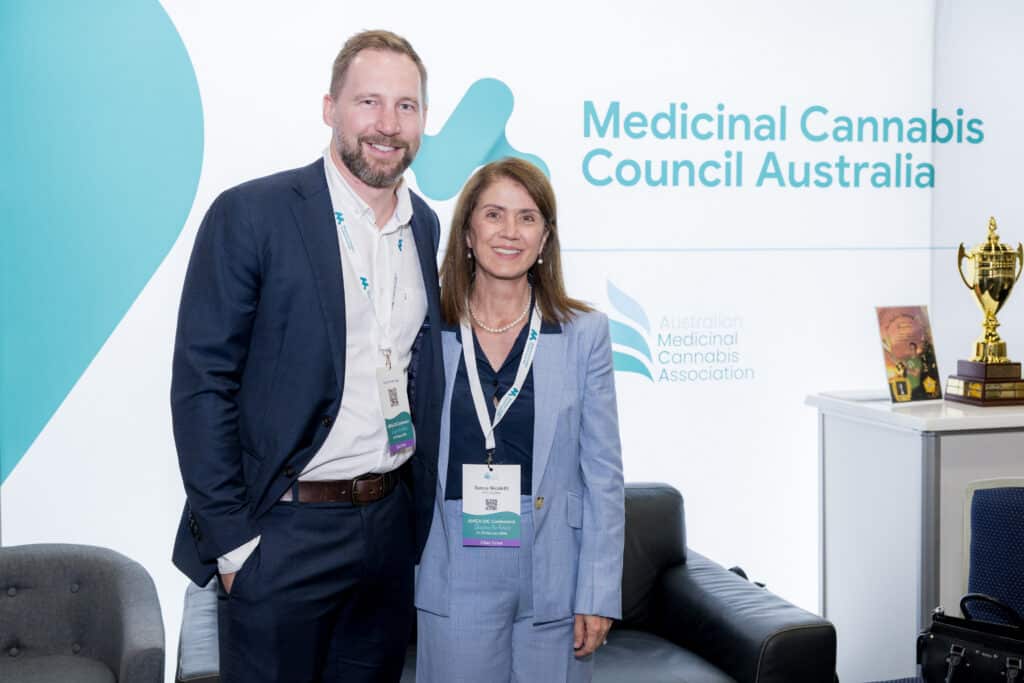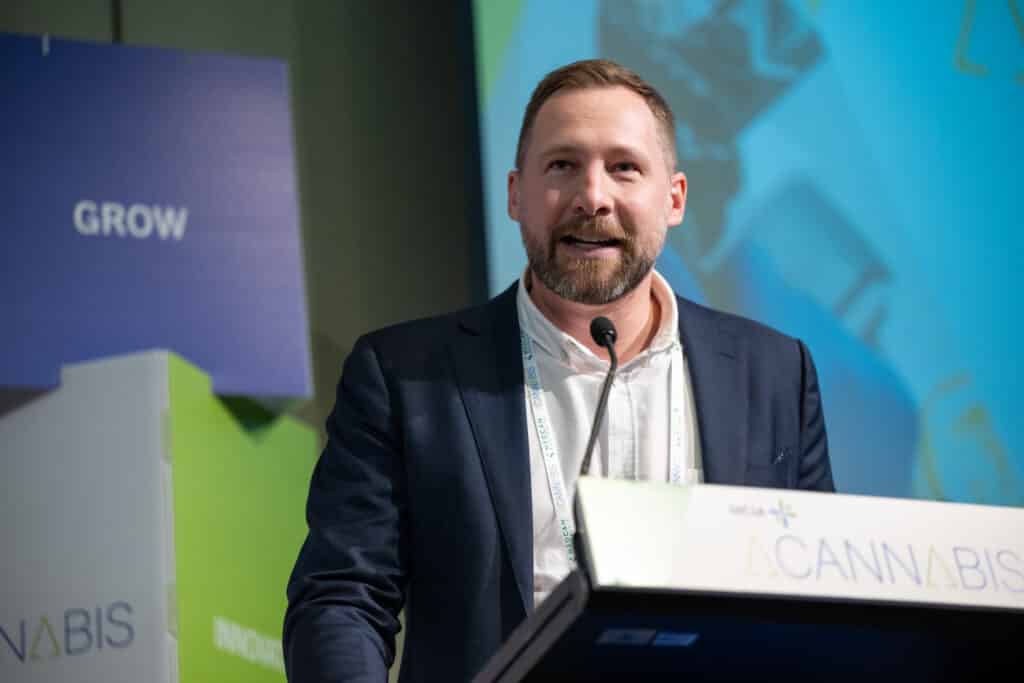
Medicinal Cannabis Industry Australia (MCIA) and the Australian Medicinal Cannabis Association (AMCA) are calling on industry participants to donate to a shared response fund, with proceeds directed toward a coordinated approach to the TGA's medicinal cannabis consultation and what both bodies describe as "broader public discourse."
In an email distributed yesterday, the MCIA board encouraged members and industry stakeholders to contribute "according to their capacity," with suggested donation tiers ranging from A$1,000 to $20,000.
Funds raised will go toward commissioning expert advice and regulatory analysis, as well as engaging legal services to support a joint MCIA and AMCA submission ahead of the TGA's October 7 deadline.
The money will also support coordinated advocacy efforts and stakeholder engagement, along with the development of "clear, industry‑supported messaging to inform the regulator and broader public discourse."
MCIA has seeded the fund with $20,000 from proceeds of its recent ACannabis conference. Contributors will receive a post-consultation summary detailing how the money was spent, with a ledger maintained throughout the process.
The initiative follows MCIA and AMCA's move to prepare a joint response to the regulator, with both organisations emphasising the value of presenting a single, coherent position.
"There's strength in numbers. The regulators have always said there's been mixed messaging from industry associations," MCIA chair Kristin Viccars said.
Viccars, who has previously argued the Australian market could be 20 to 30% bigger with greater unity, compliance and leadership, said the funds would give the industry the tools needed to engage both the regulator and the wider community.
"Ultimately the fund is being set up to commission expert-led resources and analysis," he said.
"It will be used to engage appropriate professional services to support the submission, and to coordinate advocacy campaigns and stakeholder engagement. These are the three main pillars to ensure what is submitted is for the betterment of the industry."

MCIA board member Justin Howden said the intention was to build an industry resource fund that would remain available beyond the current consultation period.
"We want to have the best brains in the industry if we need them," he said.
Viccars added that members had directly requested a mechanism through which they could contribute to the submission process.
"The members have asked us to set this up on their behalf so they can make donations," he said.
While reaching $100k would be "a great outcome," Viccars said having sufficient resources to sustain positive activity over time was the central priority.
"The more resources we have, the more we can do. This is about creating an ongoing pool we can draw on to bring in the right expertise as needed."
AMCA chair Dr Teresa Nicoletti said the joint submission comes at a pivotal moment for the industry.
"This is arguably the most significant review of the medicinal cannabis regulatory framework since legalisation, and its outcomes will directly shape the future of our sector," she said.

"It is critical that we consider the interests of the sector as a whole and that our response reflects collective views about [its] needs moving forward."
Looking ahead, Viccars said the primary risk if the TGA moves to tighten regulations is that it produces "unintended consequences for patients."
"Our focus is on ensuring a sustainable pathway to improve patient access while also mitigating some of the risks that are apparent," he said.
"This is an opportunity to provide solutions to some of those risks, to ensure patient and broader community safety."
On the question of balancing access and safety, Viccars said: "It's about looking at the ecosystem and using the data and facts we have at our disposal to make informed decisions. We want to propose solutions that improve access while balancing the safety profile for patients."
International experience is also expected to inform the submission's direction.
"Globally, there are lessons to be learned – from Canada, for example, where a lot has gone right but some things have gone wrong," Viccars said.
"We're fortunate to have a balanced regulator in Australia, but it's important to draw on both overseas and local experience to find the right solutions for a sustainable industry."
Contributions to the Industry Response Fund are tax deductible and can be made through MCIA and AMCA's GoFundMe page.