Senior figures across the medicinal cannabis sector have cautioned against restrictions on patient access, calling for a "balanced and proportionate" approach as regulators weigh up potential changes to the industry's framework.
Curtailing legal access would not only deprive patients of medication that has improved their lives, industry voices warned — it would also push many toward the illicit market, where product quality is unknown and unregulated.
University of Sydney professor Nick Lintzeris said overly restrictive reform would also deter illicit cannabis users from switching to legal medical channels — a transition he described as one of the "extraordinary successes" of legalising medicinal cannabis.
The remarks were made during the second episode of The Cannabis Observer in Conversation, a content series produced in partnership with streaming platform Ticker, alongside Medicinal Cannabis Industry Australia (MCIA) and the Australian Medicinal Cannabis Association (AMCA).
The series arrives as regulators continue to examine possible regulatory reforms following a public consultation held in late 2025.
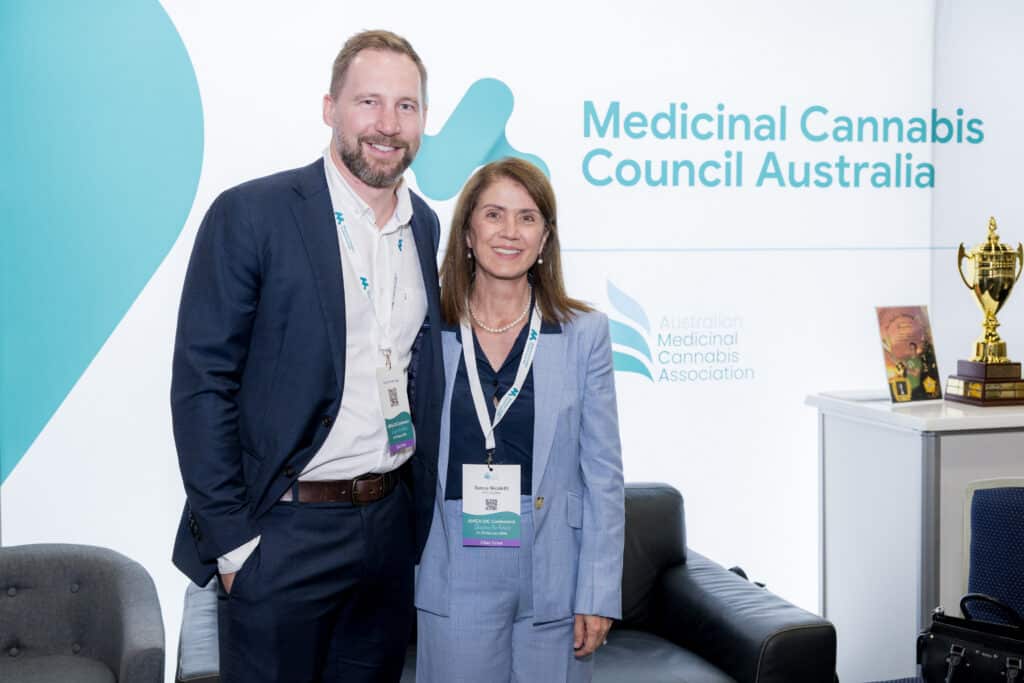
AMCA chair Dr Teresa Nicoletti acknowledged that reform is necessary and reaffirmed the sector's willingness to work alongside the Therapeutic Goods Administration (TGA).
While backing updated regulations in principle, she said it was essential to keep in mind the many thousands of patients who have already benefited from medicinal cannabis treatments.
"Any regulatory reforms must consider, foremost, public health and safety and, in the context of medicinal cannabis products, what we want to see are improvements in the quality and safety of those products," she said.
"We also want to strengthen the evidence base because the more data that we have about the quality, safety, and efficacy of medicinal cannabis products, the more we can make properly informed decisions about how to regulate [them].
"And one thing we do need to recognise… is that we have an established framework where hundreds and thousands of patients are being prescribed medicinal cannabis. The most important aspect of any reforms is to ensure they are transitioned slowly, they are proportionate and they do not compromise access.
"It is very much about balance and proportion."
Dr Nicoletti pointed to improvements in labelling and dosage guidelines as practical steps toward raising standards, and said gaps in prescriber education also needed to be tackled.
"The sector organisations are trying to work as closely as we can with regulators to support this process," she added. "We're very supportive of regulatory frameworks, but we emphasise proportionate decisions that do not compromise access."
Releaf Clinics head doctor Dr Priya Ayyar cautioned that excessive regulation would come with "a very high human cost".
"There are so many genuine patients who are doing so well on this therapy," she said. "We would hate for additional hurdles and red tape… to restrict access to those patients who need it and do best on the treatment."
Professor Lintzeris, an addiction specialist at the University of Sydney, echoed Dr Ayyar's concerns.
Speaking to Ticker News host Ahron Young, he said a "marked reduction in access" would leave patients either unable to obtain the medication they rely on or compelled to return to illicit sources.
"There are so many problems with illicit markets," he said. "No-one knows what products they're getting. There's contamination. It requires people breaking the law. It requires people to start mixing with criminals who may be involved in selling other drugs.
"One of the extraordinary successes we've seen over the last decade is a large proportion of people who were using illicit cannabis have transitioned over to regulated legal supply and the vast majority have said there have been improvements in their health and in their social well-being. We don't want to turn back on that."
Professor Lintzeris also said there was little evidence that illicit users were accessing legal medicinal cannabis for recreational purposes — a concern raised by some medical bodies.
He further argued that tightening access to THC while easing restrictions on CBD was unlikely to achieve the desired outcome, given the two compounds operate in fundamentally different ways medically.
"They're different medicines, they're not interchangeable," Professor Lintzeris said. "It's not as though we can say, 'well, we'll crack down on THC but make CBD available'. It doesn't work like that. They're different medicines and they're used in different ways."
Co-founder Martin Lane said in the discussion that it was important to acknowledge the industry "wants to work with the TGA" in developing reforms that protect patients and practitioners, build the evidence base, and raise safety standards.
"It's vital we get this right so people can continue to access this life-changing medicine safely," he added.