Cann Group has maintained its upward revenue trajectory in FY23, with sales for the nine months through March nearing A$10 million.
That figure is double what the company recorded over the same period the previous year, with third-quarter revenue surging 219% to $4 million, according to the company's report.
However, the net loss from operating activities widened during the quarter to $5.7 million, compared with $4.2 million a year earlier, bringing the nine-month deficit to $16.4 million.
Product, manufacturing, and operating costs increased from $7.5 million to $12 million for the financial year to March, while staff expenses rose from $7.1 million to $9.5 million.
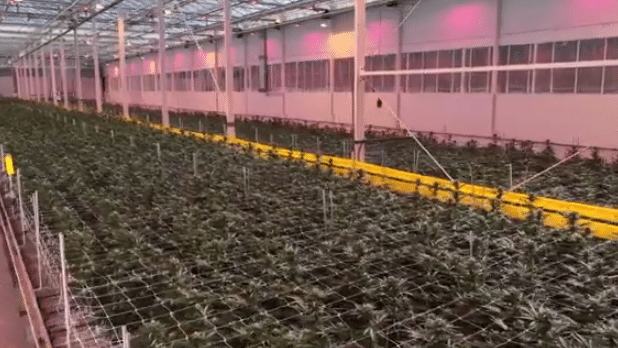
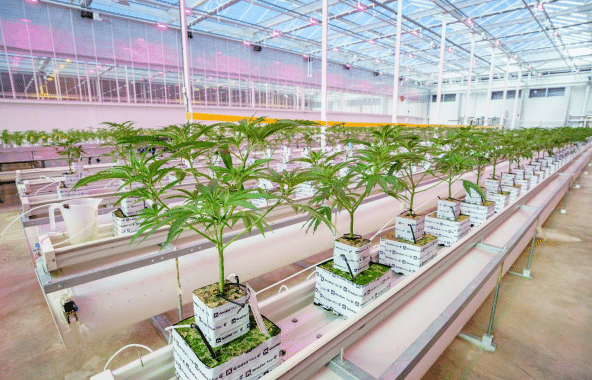
The higher cost base reflects the increase in production volume at the company's Mildura facility.
Cann Group said it is preparing to double its current output in May, consistent with the growth strategy outlined earlier this month by chief executive Peter Koetsier.
"This, combined with the introduction of several new cultivars in August, puts Cann in a very strong position to respond to increasing demand for flower sales," the company told the ASX.
Biomass production for inhaled flower grew 69% during the March quarter, while extraction-grade flower output rose 19%.
Separately, Cann said it is continuing to assess its schedule 3 registration strategy alongside GSK consumer healthcare division Haleon, following the failure of its low-dose CBD Satipharm product to produce results statistically distinct from a placebo.
The final trial report has not yet been completed but will be "carefully reviewed" upon receipt, the company said.
Whatever the outcome, Cann Group said the Satipharm platform remains a "valuable and unique" opportunity, with several cannabinoid formulations currently in development.
Cann Group shares are trading at $0.15, giving the company a market capitalisation of $60 million.