A major international research project is set to begin investigating how Epidyolex affects people living with, or at elevated risk of, psychosis.
The trial will enrol 1,000 participants — either those considered high-risk for developing psychosis, or those who have already experienced psychotic episodes without responding adequately to standard treatments.
The trial will be conducted across 35 sites concentrated in Europe and North America, after the University of Oxford's psychiatry department received a £16.5 million (A$28.8m) grant from the Wellcome Trust.
Professor Philip McGuire, the lead researcher on the project, called CBD "one of the most promising new treatments" available for people with psychosis.
“Many people with psychosis are open to trying cannabidiol and previous smaller-scale studies have indicated that it has beneficial effects,” he said.
“As well as treating psychosis that is already established, the study will also investigate whether cannabidiol can prevent the onset of psychosis in people at high risk of developing it.”
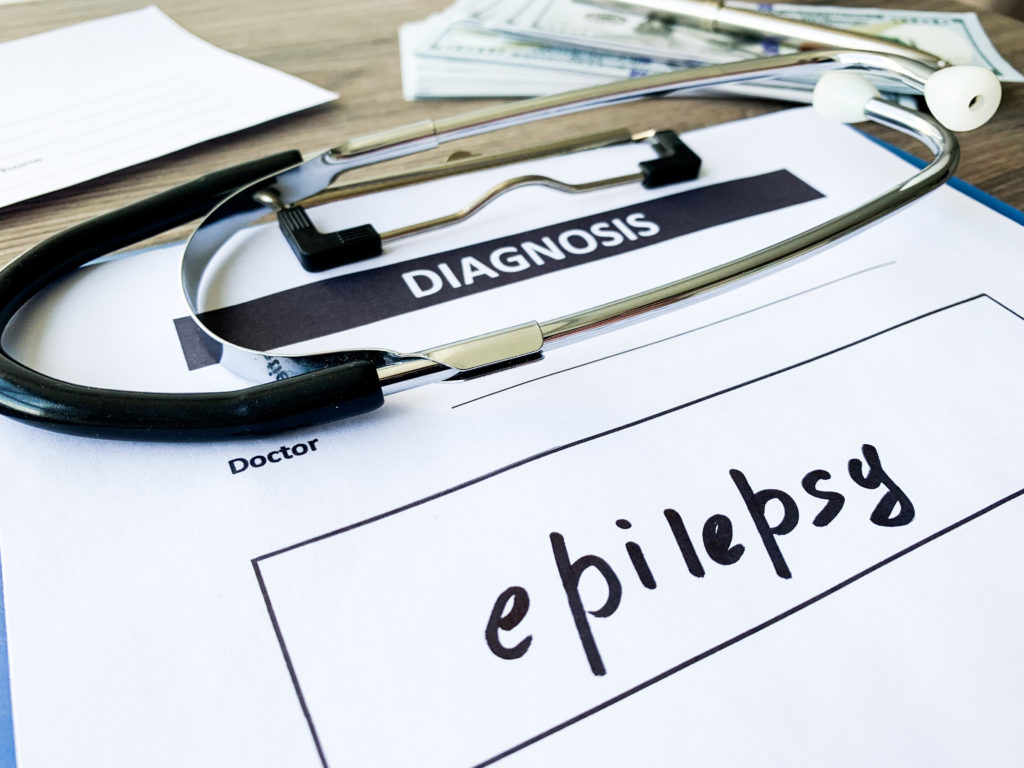
Epidyolex, a drug more commonly used to treat epilepsy — especially in children — is being provided by Jazz Pharmaceuticals, the company that acquired the drug's UK manufacturer, GW Pharmaceuticals.
“This study could provide us with a new kind of treatment for psychosis and we are hugely grateful to Wellcome and Jazz Pharmaceuticals for helping to make it happen,” Professor McGuire said.
Separately, a US study has found CBD could reduce the urge of smokers to light up their next cigarette.
Scientists at Washington State University (WSU) examined the impact of CBD on human liver tissue and cell samples, finding that it suppressed a key enzyme involved in nicotine metabolism.
When nicotine is broken down more slowly, smokers may feel less compelled to reach for another cigarette.
Philip Lazarus, WSU professor of pharmaceutical sciences, said more research is needed to confirm the effects, but the findings show promise.
The research determined that CBD reduces the activity of the enzyme responsible for triggering the urge to smoke by 50% at relatively low concentrations.
“In other words, it appears that you don’t need much CBD to see the effect,” added Lazarus.