Victoria's state government has signalled its support for a series of proposals aimed at reducing regulatory burdens on the local hemp sector.
In its response to a report tabled in November stemming from the 2023 hemp inquiry, the government indicated it supported six of nine recommendations "in principle" and two "in full", with one remaining "under review".
The Labor government's endorsed measures include simplifying licensing requirements and drawing a clear distinction between industrial hemp and medicinal cannabis.
The government also committed to examining the case for dedicated hemp legislation and to pressing the federal government to permit whole-plant use, including for CBD extraction.
The sole recommendation that failed to win government support was the proposal to establish a cooperative for hemp farmers and manufacturers.
The government said it "does not yet have the evidence required to review the merits of a hemp cooperative".
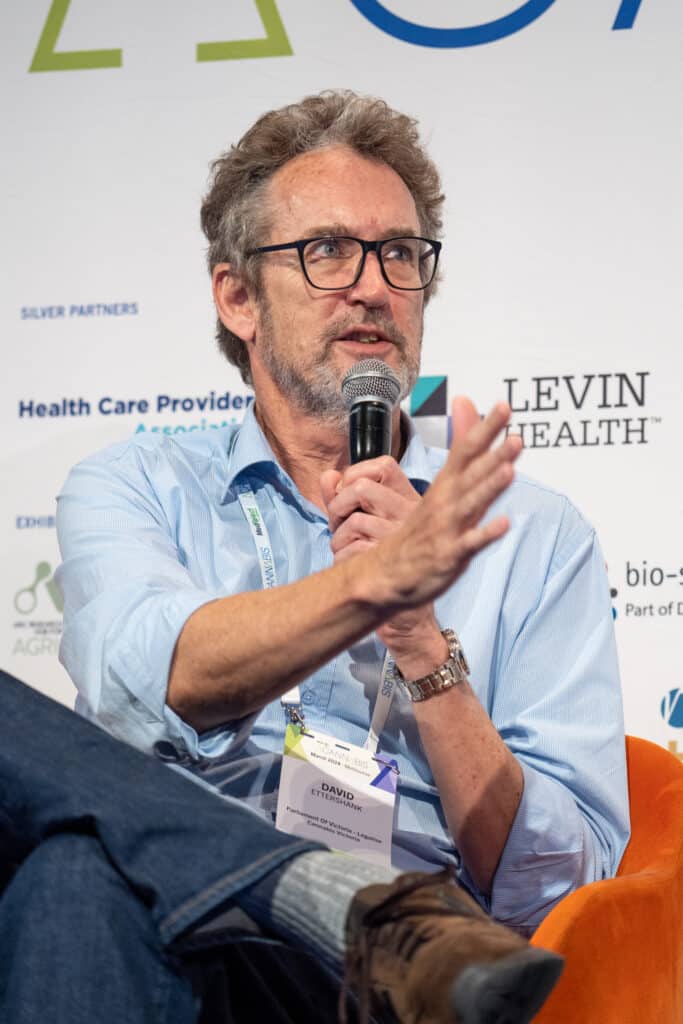
The inquiry was initiated by Legalise Cannabis MPs David Ettershank and Rachel Payne in May of last year, with a broad mandate to examine the challenges, obstacles, and growth potential facing the industry.
Payne, who served on the Legislative Council's Economy and Infrastructure Committee, expressed approval of the government's response.
"I'm delighted to hear that the Allan Government will back many of our findings, for example considering stand-alone legislation similar to other states and committing to simplify the licensing process," she said.

"Farmers must currently apply for a costly licence and go through police checks and fill out a detailed form. They are hamstrung. The government will now task Agriculture Victoria with streamlining this.
"Also, hemp products will be defined as Rural Industry in the Victorian Planning Provisions – another win for farmers, because it gives them the option of processing hemp on their properties.
"This means they can make anything from hemp soap to hemp fabric. Previously hemp was an 'industry' product meaning it had to leave the farm for processing."
Despite the largely positive response, Payne renewed her push for a cooperative, arguing that communities in eastern Gippsland — previously dependent on native timber logging — could develop hemp processing hubs.
"This would create jobs and financial stability for the former logging communities of eastern Victoria, as industrial hemp is another chip and pulp industry," Payne said.
She added: "I also want to know how the Victorian Government will advocate to the Commonwealth to support the hemp industry.
"This includes changes for the whole of plant use, including CBD extraction and recognising hemp in a carbon credits scheme."