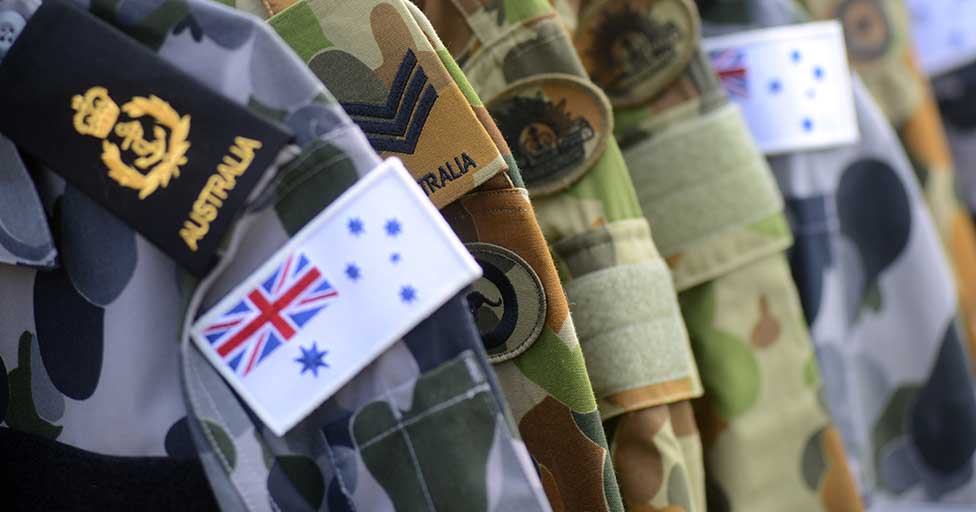
The Department of Veterans' Affairs (DVA) has restated its position that subsidised medicinal cannabis for veterans with mental health conditions will only be considered once adequate clinical evidence is available.
In a statement, the DVA held its ground, pointing to an absence of published research and a "risk of harm" as the basis for withholding financial support from veterans living with Post Traumatic Stress Disorder (PTSD) and other mental health conditions.
The entrenched stance will disappoint advocates, though few will be caught off guard. Campaigners argue that real-world evidence already demonstrates meaningful — and in many cases profound — improvements in the lives of people using medicinal cannabis.
An ongoing survey conducted by Dr James Stewart recently indicated that large numbers of PTSD sufferers, including veterans, experienced "life-changing" improvements in their health after turning to medicinal cannabis, with few side effects.
Many participants also reported being able to reduce or cease other medications together, including SSRIs and benzodiazepines.
That evidence has done little to shift the DVA's position.
"The Department of Veterans' Affairs does not fund medicinal cannabis for mental health conditions. This position is in line with the expert guidance of the Royal Australian and New Zealand College of Psychiatrists," a spokesperson said.
"There is a lack of published evidence on safety and effectiveness for mental health conditions. Current evidence suggests a risk of harm associated with using medicinal cannabis in people with mental health conditions such as PTSD."
The DVA noted that financial assistance is available to veterans where clinical benefit has been established.
"These specific conditions include chronic pain, chemotherapy-induced nausea and vomiting, palliative care indications, anorexia and wasting associated with chronic illness such as cancer, spasticity from neurological conditions and refractory paediatric epilepsy," the spokesperson said.
"Other established treatments need to have been tried prior to starting medicinal cannabis and safety assessments must have been undertaken by the prescribing doctor.
"The DVA continues to monitor and review its Medicinal Cannabis Framework in light of developing research and published evidence regarding the efficacy and safety of medicinal cannabis as a treatment for different conditions, and Therapeutic Goods Administration regulations."