Veteran advocate Derek Pyrah has launched a fundraising campaign in response to changes made to the Department of Veterans' Affairs (DVA) medicinal cannabis framework, warning the new rules could push veterans off their current treatment and back onto what he describes as "high-risk polypharmacy".
Pyrah, a Royal Australian Air Force veteran and founder of Safer Veterans Australia and No More Zombie Veterans, is calling for sustained independent advocacy to support safer, "science-led" approaches to healthcare for veterans.
The campaign follows the DVA's February tightening of its medicinal cannabis framework, which placed caps on THC potency, restricted certain product categories, and introduced new requirements for in-person consultations.
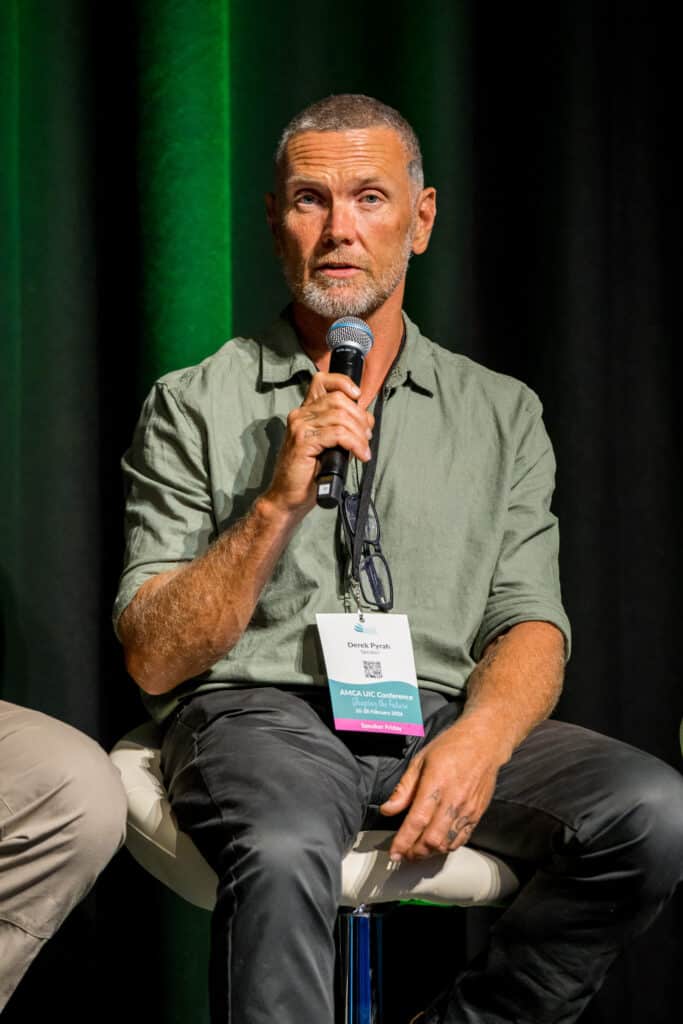
Pyrah appeared on a veteran panel at the recent UIC conference, where clinicians reported patients had contacted clinics "in tears" after losing access to treatment. He cautioned that the framework changes were likely to create "significant barriers" for a number of veterans.
Those living in rural areas or dealing with mobility challenges were especially at risk of being "forced into self-funded care or back onto high-risk polypharmacy," he said.
"Independent advocacy has never been more vital to protect continuity of care and champion safer alternatives," he said.
Having largely self-funded his advocacy work over the past five years, Pyrah is now turning to the broader community for support, seeking $750 per month to cover the operating costs of his "advocacy, education and outreach" activities.
The campaign centres on advancing a science-led shift in how veteran healthcare is approached, including pushing for greater recognition of the endocannabinoid system within medical education.
It also targets the reduction of polypharmacy — frequently characterised by "high-risk, sedative-heavy treatments" — while supporting evidence-based policy reform grounded in current research and the lived experiences of veterans.
Pyrah pointed to research from Phoenix Australia showing that "complex, long-term medication increases risks of dependency, overdose and suicide".
His advocacy is grounded in his own experience after serving in Iraq, including 17 years spent "trapped" in psychiatric polypharmacy and heavy medication regimes that left him "numb, homeless and estranged" from his family.
"My story is not unique," he said, citing estimates that more than 90,000 Australian veterans are living with treatment-resistant post-traumatic stress disorder (PTSD) and traumatic brain injury.
For more information about the campaign or to support it, click here.