The 54th and final patient enrolled in Neurotech's Phase II/III clinical trial has completed their last visit, marking the end of patient activity in the study of cannabinoid drug candidate NTI164 for children with Autism Spectrum Disorder (ASD).
The trial enrolled patients between the ages of 8 and 17, all of whom have now finished eight weeks of daily NTI164 treatment during the randomisation period at the Paediatric Neurology Unit at Monash Medical Centre in Melbourne.
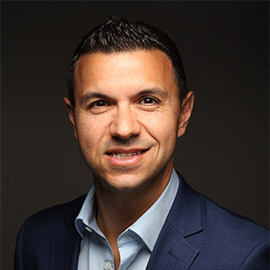
Neurotech executive director Dr Thomas Duthy said: "With the explosion in autism-associated costs under the Australian National Disability Insurance Scheme (NDIS), there is an urgent need for new enabling treatments like NTI164, which has been shown to significantly improve adaptive behaviours and socialisation and improve these children's quality of life in an earlier clinical trial."
The trial's findings will shape Neurotech's conversations with the Therapeutic Goods Administration (TGA) as the company pursues a market approval pathway in Australia, where autism prevalence is estimated at 1 in 50 across the general population — a 40-fold increase over the past two decades.
Duthy said more recent 2023 data from the NDIS suggests a prevalence rate of 1 in 25 for 7-14-year-olds with a primary diagnosis of autism, "which is among the highest rates in the world".
Trial results are expected in early Q2 CY2024.
In a separate development, the company has signed a binding term sheet with Melbourne-based contract research organisation Fenix Innovation Group.
Under the arrangement, Fenix will work exclusively with Neurotech in the medicinal cannabis field on the development of NTI164.
Subject to shareholder approval, Neurotech has agreed to issue 10 million ordinary shares to Fenix or its nominees upon execution of a definitive agreement.
Fenix has agreed to voluntarily escrow those upfront shares for 12 months from the date of issue.
Neurotech has also agreed to issue Fenix or its nominees 50 million performance rights, with vesting conditions tied to the achievement of specific regulatory and commercialisation milestones — including orphan drug designations, partnering transactions, and TGA approval of NTI164 in Australia — over the next three years.
Dr Duthy said: "Fenix has been integral in the development of NTI164 since 2019, efficiently overseeing the manufacturing and preparation of drug product, regulatory submissions, clinical trial protocol development, management of clinical trials and key opinion leader development.
"The alignment of Neurotech's development objectives with Fenix is expected to result in the execution of our overall clinical and commercial development pathways in a much more time and cost-effective way than would otherwise be the case, given the alignment of equity-based incentives for Fenix to deliver meaningful outcomes for Neurotech."
Fenix chief financial officer and director Sharon Smithwick added: "Fenix has dedicated substantial resources into the various NTI164 programs for Neurotech, such is our belief in the potential of this therapy to significantly improve children's clinical symptoms without any safety compromise across a range of neurological disorders involving persistent or progressive neuroinflammation."