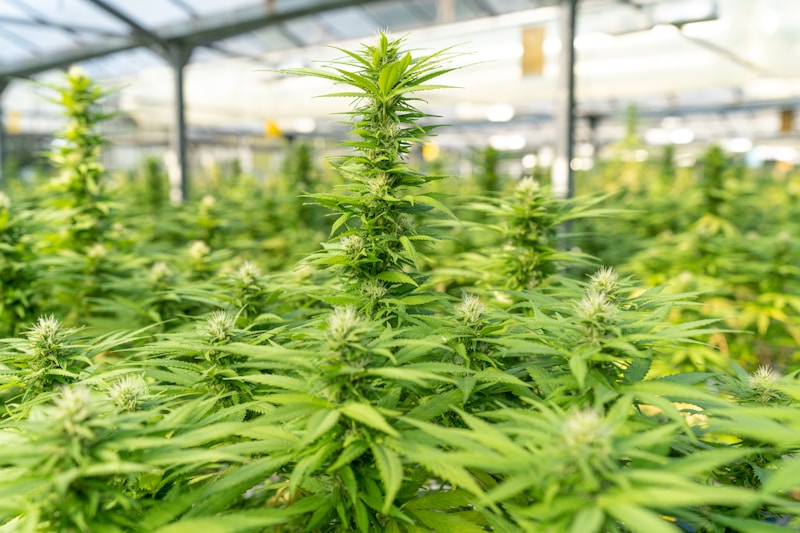
Organizers behind an Idaho medical marijuana legalization drive say they've handed county-verified petition signatures to state officials for a last round of review to decide whether the proposal lands on November's ballot.
The Natural Medical Alliance of Idaho (NMAI) did not clarify in its release whether the completed county-level check confirmed enough valid signatures across enough counties to qualify. To reach the ballot, organizers must gather signatures equal to 6 percent of registered voters counted at the last general election—currently 70,725—and hit that 6 percent mark in at least 18 of Idaho's 35 legislative districts.
The campaign turned in over 150,000 signatures in May, though recent developments suggest county-level qualification may be shaky. A judge ruled last month that signatures gathered in Minidoka County arrived past the deadline and can't be counted. Separately, some petitions statewide risk disqualification because they may have been gathered by circulators from outside Idaho.
NMAI said in its Thursday update that it's now working with the Secretary of State's office as that review unfolds, and will share updates as available. The group described its origins as a small effort begun by friends and family of an Idaho pediatrician who died of brain cancer and wanted patients to have a natural alternative to opioids. It said supporters gathered signatures statewide, and polling found 83 percent of Idaho voters back a medical cannabis program, but that outside contractors were hired to handle signature collection.
Separately, voters will see a legislature-approved constitutional amendment on the ballot that would limit marijuana or other controlled-substance legalization to lawmakers only, blocking future citizen initiatives. The Idaho House and Senate also passed a resolution urging voters to reject the medical cannabis petition, arguing legalization elsewhere brought cartel activity, black-market production, human trafficking, higher crime, health problems and workplace safety issues, and that the initiative's list of qualifying conditions is broad enough that "almost anyone could qualify."
NMAI has separately estimated the measure could generate over $100 million in annual medical marijuana sales and up to $28 million yearly in state revenue.
The Idaho Medical Cannabis Act, unveiled last October, would let practitioners recommend cannabis for conditions including cancer, anxiety and chronic pain; cap purchases at 113 grams of flower or 20 grams of THC extract monthly; start with three vertically integrated licenses (expandable to six); reclassify marijuana as Schedule II under state law; bar local police from aiding federal enforcement; and add anti-discrimination protections for patients, without home-grow or equity provisions.
A separate 2024 campaign, Kind Idaho, paused its own adult-use legalization signature drive after NMAI's measure emerged; earlier Kind Idaho medical marijuana attempts in 2022 and 2024 failed to qualify. Gov. Brad Little (R) last year signed a $300 mandatory minimum fine for marijuana possession, after an earlier $420 fine proposal stalled.