The Cayman Islands Law Reform Commission (LRC) has released a discussion paper on cannabis policy following last year's referendum in which voters backed decriminalizing marijuana. The Wednesday paper, "Cannabis Reform: Options for a Harm Minimisation Framework," is open for public comment through September 1.
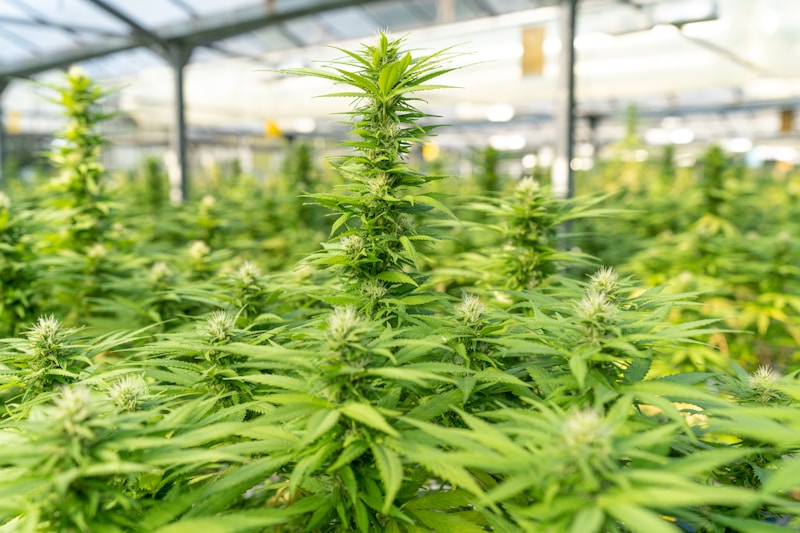
The commission examined several models—decriminalization, strict legalization, liberal legalization, and hybrid regulation—and concluded that decriminalizing personal possession and consumption, without allowing retail sales or marketing, "would be most likely to reduce the negative impacts of prohibition while mitigating the risks of reform." It noted cannabis has long cultural and religious roots across the Caribbean and was used freely before prohibition, which it called a recent development adopted "without the benefit of scientific evidence."
"There is a broad consensus that the prohibition of cannabis has been generally ineffective in deterring its use."
The report says prohibition carries health, socioeconomic and criminal justice costs: unregulated products of unknown potency, reluctance among users to seek treatment for fear of prosecution, enforcement resources diverted from public health, and convictions that disproportionately hit low-income individuals and harm employment and family stability.
While acknowledging that mere decriminalization "does little to combat the illegal market," the commission worried broader commercial legalization could increase problematic use. It recommends that "any reform should be limited to decriminalising the consumption and possession of small amounts of cannabis, while the importation, production, distribution and sale of cannabis should remain illegal," favoring "a cautious, incremental approach to reform focused on harm minimisation" for now, without ruling out a future legal supply model. It cited banking-access difficulties and health-system capacity as reasons full legalization would be complex for a small jurisdiction, and said legalizing recreational production and trade would likely conflict with UN drug conventions and be rejected by the United Kingdom.
Directed by the Cayman Islands Cabinet, the report poses questions for public feedback, including whether importation/production/sale should stay illegal, whether home cultivation of a limited number of plants should be decriminalized, whether decriminalization should cover minors under 18, whether use should be confined to private homes, whether administrative rather than criminal penalties should apply, whether decriminalization should exclude cannabis resin and other products, whether possession limits of 30 grams dried/150 grams "wet" cannabis and a four-plant household cultivation cap are appropriate, and whether past minor convictions should be expunged.
Comments go to [email protected] or by mail to the Director of the Law Reform Commission, 5th Floor Government Administration Building, Portfolio of Legal Affairs, 133 Elgin Avenue, George Town, Grand Cayman, P.O. Box 136, Grand Cayman KY1-9000.
The April 2025 non-binding referendum asked voters whether they supported decriminalizing consumption and possession of small cannabis amounts; it passed 56 percent to 36 percent, with 8 percent of ballots rejected. The Cayman Islands legalized medical marijuana in 2017. In 2018, leaders of 19 Caribbean nations agreed to review cannabis's legal status, citing human and religious rights concerns and potential economic benefits from legalization.