The Australian Medicinal Cannabis Association is preparing to host the second Medicinal Cannabis Awareness Week (MCAW) later this month, with the event aimed at educating the public about the medicine's therapeutic value and pushing back against the stigma that continues to shadow it.
Running from February 19 to 25, the AMCA-led event brings together medical professionals, patients and the wider community to build greater understanding of medicinal cannabis and its capacity to improve health outcomes.
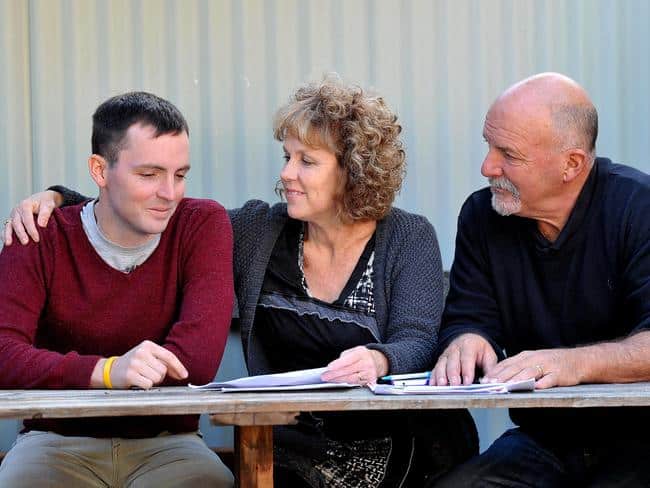
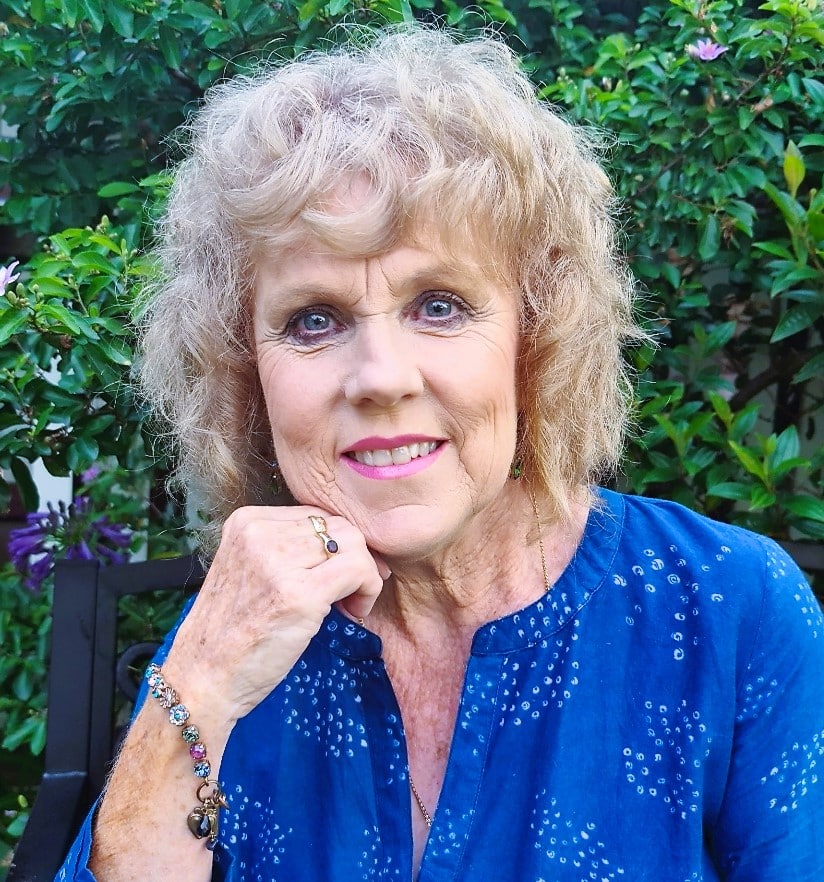
First held in February 2023, MCAW was conceived by AMCA co-founder and former chair Lucy Haslam, who now holds the roles of ambassador and lifetime member of the association. The timing is deliberate — it coincides with the seventh anniversary of medicinal cannabis legalisation and the eighth anniversary of the death of Haslam's son, Dan.
Dan passed away in 2015 at the age of 25. His difficulty in obtaining cannabis to ease his suffering during illness was the catalyst for Haslam's campaign to improve access for patients.
AMCA interim chair Emily Rigby said: "Dan's only relief from chemotherapy to treat his terminal bowel cancer had been cannabis, which his parents then campaigned to legalise after seeing how dramatically it helped him through his aggressive treatment."
In announcing MCAW, the AMCA described the week as a national platform designed to encourage meaningful dialogue, education and broader acceptance of medicinal cannabis within the healthcare system.
"It aims to dispel misconceptions, challenge stigma and emphasise the significant therapeutic benefits that medicinal cannabis may offer to countless Australians in need," the association said.
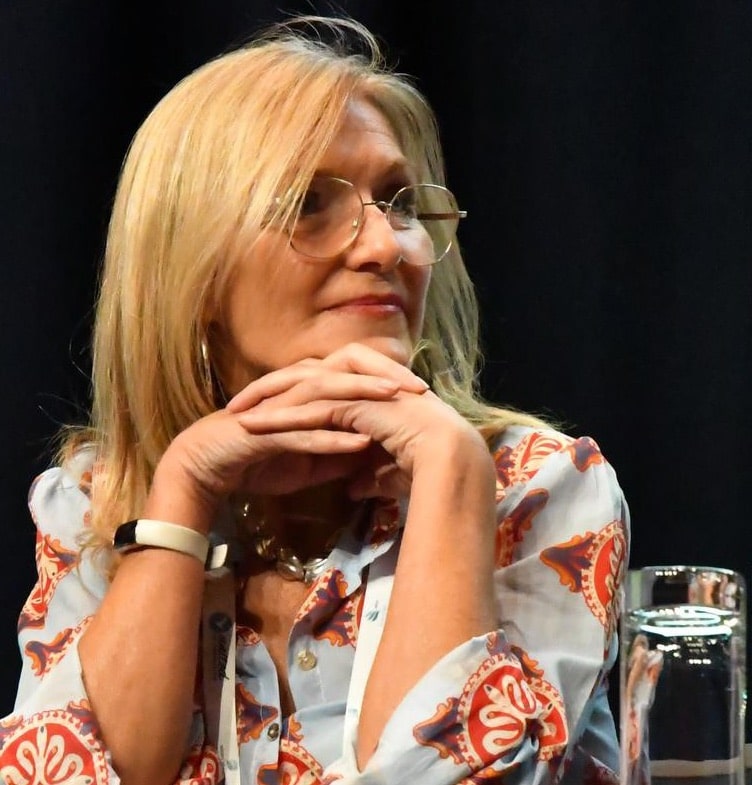
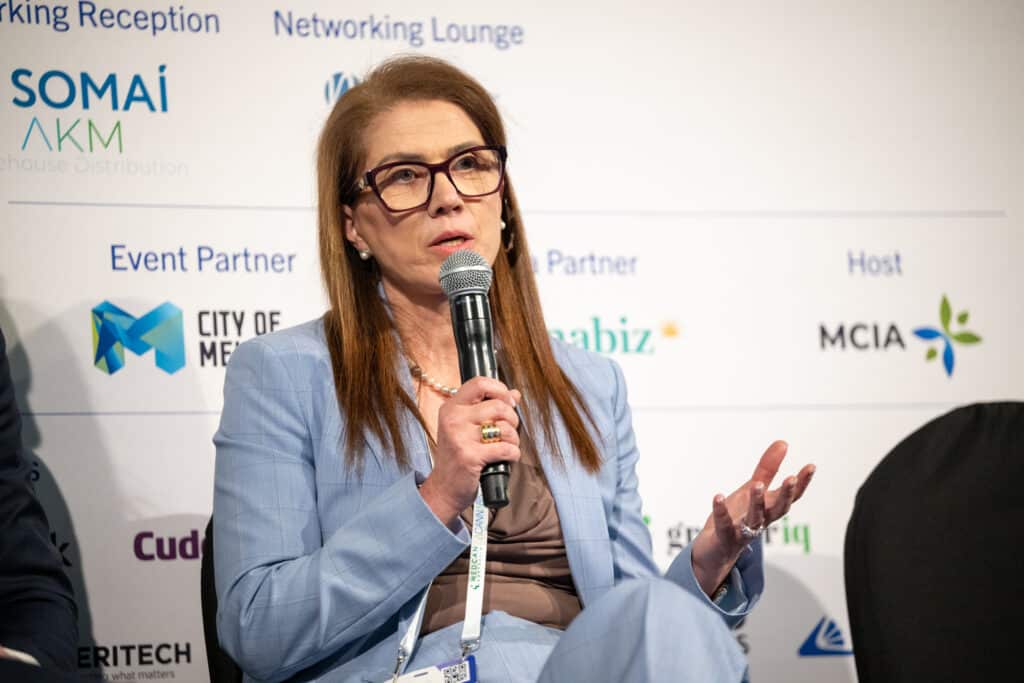
Board member Fiona Patten said: "The effect of stigma and misinformation is no more apparent than in the discriminatory legislation and regulations that affect medicinal cannabis patients in Australia.
"We treat our medicinal cannabis patients very differently from comparable countries. This is due to ignorance and a stigma that stubbornly remains eight years after medicinal cannabis was legally recognised as therapeutic."
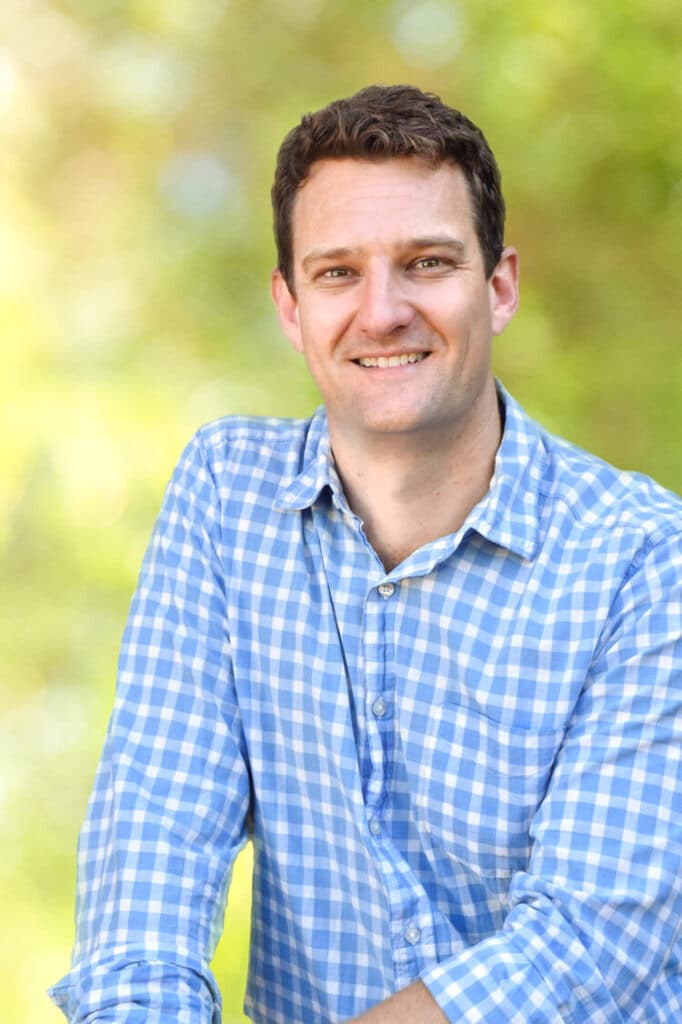
Fellow board member and Austranna CEO Bryan Ebstyne added: "I love Medicinal Cannabis Awareness Week. It started as the single voice of a mother's loving crusade for her son and is now championed by a chorus of advocates. This week is a reminder of our humble origins and the substantial impact our united voices have in effecting national change."
While acknowledging the "significant strides" made by government and regulatory bodies on access, the AMCA called on policymakers to keep refining legislation and guidelines and to support the integration of medicinal cannabis into mainstream healthcare.
Rigby said: "We are excited about the potential of Medicinal Cannabis Awareness Week to increase understanding and acceptance of this valuable therapeutic alternative.
"Through sharing knowledge, experiences and evidence-based research, we aim to solidify Australia's place at the forefront of the global medicinal cannabis industry, ensuring safe and effective options are available to those in need, without discrimination."
Board director Justin Sinclair said the week offers a chance to reflect on how much has changed since 2016, acknowledge the importance of continued education and research, and direct attention "firmly on key ongoing issues that still require meaningful change".
AMCA co-founder and company secretary Dr Teresa Nicoletti added: "Two of the key issues AMCA plans to raise during Medicinal Cannabis Awareness Week are the unfair driving and employment laws.
"Patients legitimately prescribed medicinal cannabis, or participating in one of the many clinical trials running in Australia, are at risk of being fined or losing their licences or jobs.
"This is extraordinary, considering that the same patients could use other strong narcotics such as opioids or benzodiazepines without the fear of sanctions.
"All we are asking for is for medicinal cannabis… to be treated in the same way as other legal narcotic medications."
Board member Jodie Davis also drew attention to the need for better access for veterans.
"We have the evidence [that] medicinal cannabis works for this group of heroes, but it is still not funded for some key indications from which many veterans suffer," she said.
Conjoint professor of specialty addiction medicine at the University of Sydney and AMCA board director Professor Nicholas Lintzeris noted that the medicine is becoming more widely accepted in Australian healthcare, with hundreds of thousands of patients now accessing it through a healthcare provider.
However, he added: "It is still an emerging area with much work to do. We need to continue to do research on what works for different health conditions, provide education for consumers and clinicians, ensure we have a sustainable Australian industry producing high-quality medicines, and advocate for much-needed policy and regulatory changes."
For more information about MCAW click here, or email AMCA general manager Gail Wiseman.