Two of Australia's most prominent medical organisations have raised concerns that medicinal cannabis telehealth providers operate with insufficient oversight, with some placing commercial interests above patient welfare, while also questioning the medicine's effectiveness.
Royal Australian College of General Practitioners (RACGP) vice president Dr Michael Clements told the ABC that telehealth companies employing their own in-house doctors face a potential conflict of interest.
He argued that such doctors could be under pressure to approve medicinal cannabis prescriptions quickly, regardless of whether the patient actually requires them.
"We shouldn't be able to profit or make money from the treatment we're recommending," Dr Clements said.
"These companies solely exist for the purposes of mailing out the cannabis product, so you don't have to try very hard to convince a doctor that that's the product for you," he added.
"As long as you press the right buttons… you're going to end up with a script for a product that you ask for, and that just doesn't sit with us well as GPs."
Dr Clements also alleged that certain telehealth operators use deliberately vague terminology in their marketing — phrases such as 'leaf-based medicine' and 'green therapies' — to sidestep Australia's advertising rules, which prohibit the direct promotion of prescription medicines.
He described seeing claims about medicinal cannabis circulating on social media that were not backed by scientific evidence, and said he was concerned that some doctors might make inaccurate or unsubstantiated statements about the medicine in order to capitalise on patient demand.
Australian Medical Association (AMA) president Professor Steve Robson acknowledged that some evidence supports the use of medicinal cannabis for conditions including epilepsy and palliative care, but described the evidence base for its effectiveness in post-traumatic stress disorder and chronic pain as "very flimsy".
The AMA's position aligns with earlier doubts raised by the Faculty of Pain Medicine about whether the medicine is effective for chronic non-cancer pain.
Faculty Dean Professor Michael Vagg previously argued that broadly prescribing cannabis for chronic pain was "ethically more concerning" than prescribing opioids, which he said had at least demonstrated effectiveness.
Professor Robson said patients might achieve better outcomes with other available medications.
He also alleged that online cannabis suppliers are able to circumvent Therapeutic Goods Administration (TGA) quality and safety requirements, saying it was "impossible" to enforce the regulator's guidelines over the internet.
"It is legal, but it's not in any sense regulated with respect to quality and safety," Professor Robson said.
"This has absolutely exploded from only a few years ago and it's not clear who is using it, why they're using it, what it's being used for, and whether it actually works or not," he said.
A TGA spokesperson told the ABC that the agency had recorded over 600 reports of adverse effects from medicinal cannabis patients, with common complaints including nausea, diarrhoea, dizziness, drowsiness and headaches.
Montu, a company that has attracted criticism over its alleged practices from others within the industry, rejected suggestions that its Alternaleaf doctors were financially rewarded for approving patient prescriptions.
Company spokesperson Kelly King told the ABC that Alternaleaf doctors receive a fixed fee per consultation, with no payment linked to whether a prescription is issued.
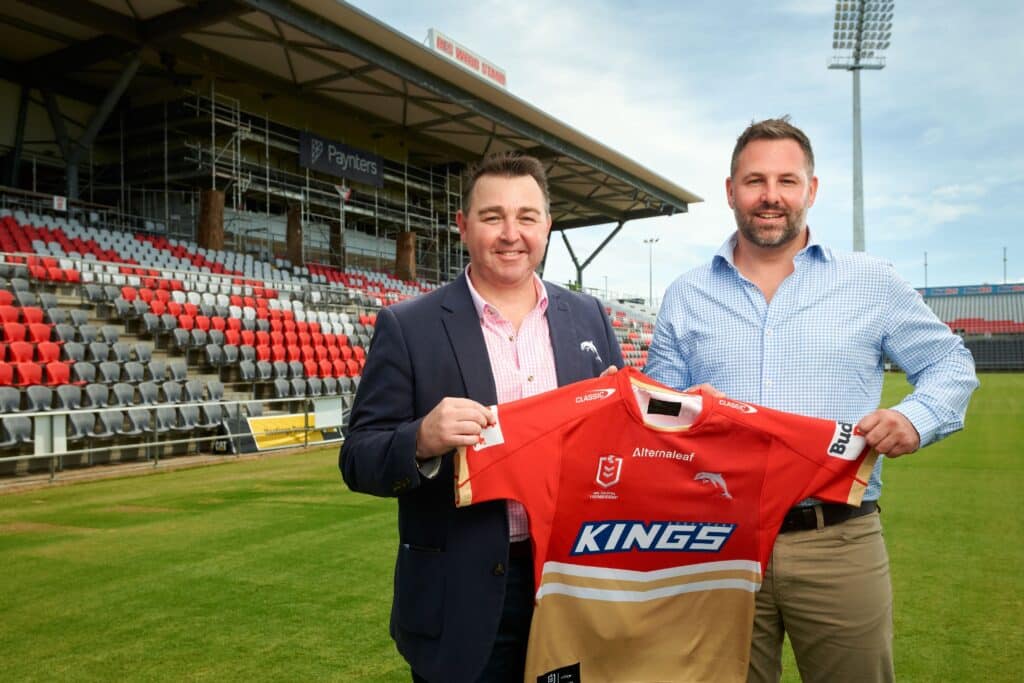
King also defended Alternaleaf's advertising — which includes a shirt sponsorship arrangement with NRL club the Dolphins — as lawful, on the grounds that it promotes the clinic and its services rather than a specific cannabis product.
She acknowledged that some operators in the sector do not follow the rules, but maintained that Alternaleaf does.
"It's quite upsetting to us to see people who are wildly flouting the rules when it comes to providing a medical service," she added.
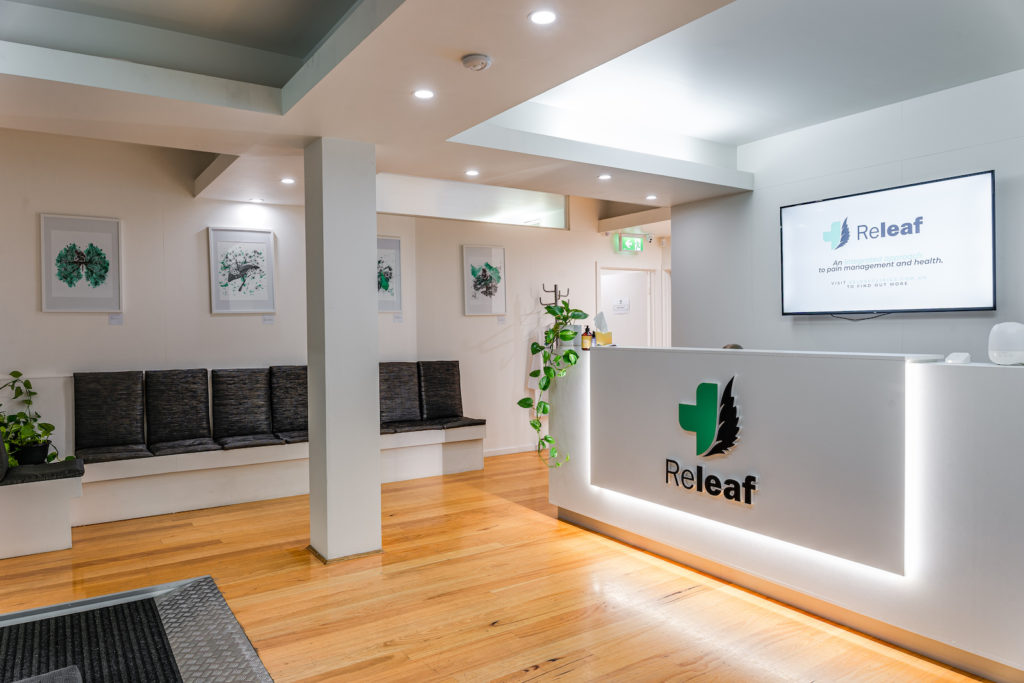
Releaf Group chief executive Gary Mackenzie said telehealth plays an important role in reaching patients who cannot attend a physical clinic, though he agreed it "needs a little more regulation".
Previously, the Australian Medicinal Cannabis Association (AMCA) and Medicinal Cannabis Industry Australia (MCIA) warned the sector that it must address its own regulatory compliance shortcomings or risk losing stakeholder confidence and drawing the scrutiny of the TGA.
In response to a follow-up ABC investigation into the absence of testing on imported products, Professor Robson said: "We're certainly hearing stories about quality issues and adverse responses, and that should trigger concern in the community. It certainly does among the medical fraternity."
He said doctors lacked sufficient information about the quality of cannabis products and the degree to which they were being tested.
"There seems to be a very big demand and for that reason it's really important that we get the regulatory and the other frameworks around quality and safety absolutely locked in," he added.
At the recent ACannabis conference, industry figures pushed for a coordinated response to the persistent gap between cannabis imports and exports, with ECS Botanics MD Nan-Maree Schoerie describing Australia as a cannabis 'honeypot'.
Those calls followed a report published in February revealing that the TGA had not tested a single batch of imported medicinal cannabis since introducing new quality regulations for overseas products.