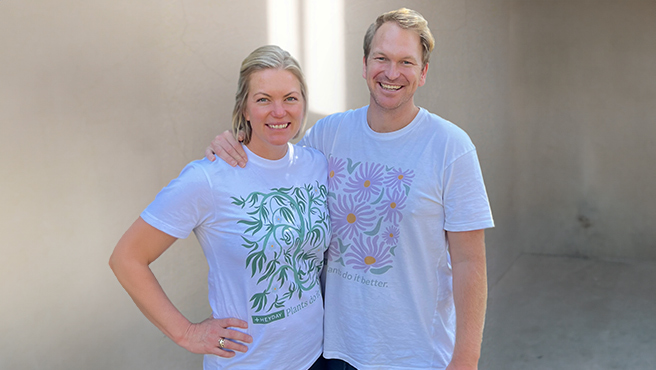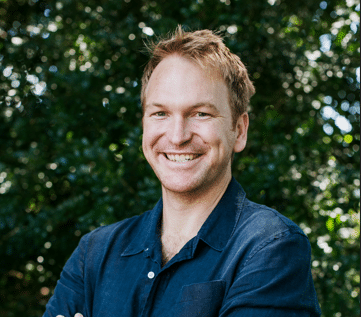
Heyday chief medical officer and co-founder Dr Jim Connell says cannabis has the potential to be a game changer for many patients – but the current focus on high-THC medicine is holding the industry back.
Over the past seven years, I have been prescribing cannabis as a medicine. It has changed the way I practise in profound ways, reignited my passion for learning, and given me a whole new set of treatment options for patients who are struggling.
We have barely begun to tap what becomes possible when cannabis is used to its full potential.
Patients deserve treatment options that deliver strong, functional relief without intoxication. That outcome is achievable when we use the whole plant, drawing on an ensemble of cannabinoids that complement and reinforce one another.
As a prescriber, I want genuine options and product differentiation. Instead, Australia has been inundated with imported high-THC flower.
We have become a dumping ground for surplus cheap flower flowing out of Canada and other countries. The scarcity of medicinally focused products and brands on the Australian prescriber's formulary is difficult to understand in what is supposed to be a medical market.
Does flooding the market with high-THC imports actually produce better treatment outcomes for patients?
There should be a review mechanism that evaluates the clinical relevance of new products entering our market, along with the ethical and health credentials of the brands supplying them. Without that, we risk more vertically integrated companies operating low-cost or no-cost clinics, violating advertising guidelines to push as much flower as possible onto vulnerable patients.
This kind of environment makes the medical cannabis industry look ungoverned, and we risk a political backlash that could delegitimise medical cannabis altogether and tighten access restrictions.
In my view, the current unchecked flow of imported THC flower needs to be capped.
Canada, the source of most of these products, has rules that protect its domestic market by prohibiting the sale of imported products within the country. We should be making a similar effort to support and grow our local industry.
Australia has the capacity to be a world leader in medical cannabis cultivation, formulation, manufacturing and research. We have knowledgeable, committed doctors who are genuinely passionate about the field.
Yet our local growers are consistently undercut by imported products that are not held to the same stringent standards we impose on Australian operators.
The new GMP requirements are a joke, with many companies GMP-washing their products in Australia. A product that is irradiated and packed in Australia is not GMP.
To be clear, THC flower does have a legitimate place in medical cannabis treatment, but does it need to account for 90% of the formulary?
Used on its own, high-THC flower can deliver significant relief. However, it is short-acting, carries possible side effects, and creates the potential for patients to develop an unhealthy dependence on the medicine.
With appropriate guidance and education it can be used as part of a comprehensive treatment plan that includes long-acting options (oils, capsules, pastilles) and patient-centred functional goals.
However, many clinics providing low or no-cost appointments have limited capacity for education or support.
Cannabis care is more than just access.
A lack of proper guidance and clear boundaries can lead to overuse, with cannabis becoming a crutch rather than a tool to engage in the world in a more meaningful way.
We can do better than this.
Cannabis is a treasure trove of powerful bioactive compounds that provide an abundance of new medication options. Outside of THC and CBD, we have some wonderful minor cannabinoids like CBG, THCV, CBN, CBC and the acidic precursors THCA and CBDA.
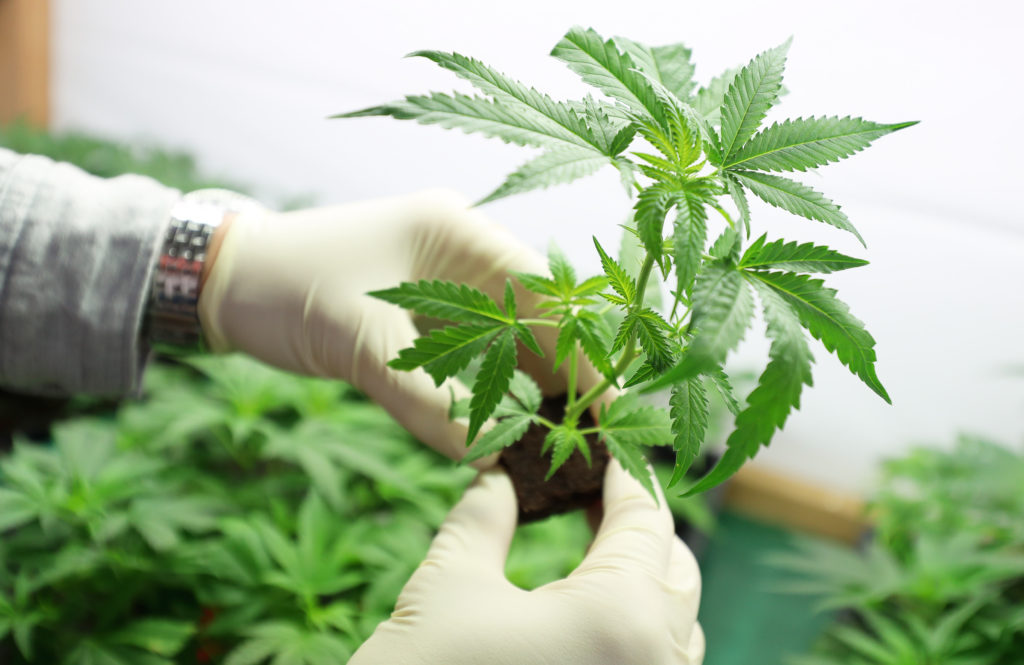
When used in combination with THC and CBD they can be stacked to enhance effects, modulate side effects and create specific and targeted outcomes.
They are non-intoxicating and provide strong functional relief. They are safely being used in North America. With selective breeding practices, plants can now be grown that express these previously minor cannabinoids in large quantities.
Because we are a relatively new market, local regulations make it difficult to get growers and manufacturers to champion minor cannabinoid-rich medicines, with increased costs and timelines associated with novel products and uncertain market demand.
To find solutions for our patients at Heyday, we have turned to compounding pharmacies for research and development.
These have actually been great and we have been able to develop a comprehensive, innovative range which showcases these minor and acidic cannabinoids.
We will continue working to improve access to these medicines because the results we have seen in our clinic have been extremely promising and patients deserve access to all of these powerful compounds.
Our current category system (category one CBD-predominant to category five THC-predominant) fails to recognise cannabinoids outside of CBD and THC.
Somehow these powerful non-intoxicating minor cannabinoids have been lumped in with THC for category determination. This means all products with >2% minor cannabinoids are placed in category two or above, even where they contain 0% THC.
“We need to work together to take the industry in the right direction and not let the bad apples spoil the bunch.”
This is out of step with the US hemp classification framework that has allowed the minor cannabinoid sector to develop in North America.
For me, the current category system creates problems with paediatric prescribing. It is now necessary for patients to get a letter from their paediatrician or specialist saying they endorse THC for these children for anything other than a category one product.
Many paediatricians are cautious about this and rightly so. However, without endorsement, medical cannabis prescribers can only use refined CBD products which are often less effective than more complex products as they lack synergy.
As many of these patients have complex needs and conditions like epilepsy, which require large doses of CBD to be effective, we should be able to add minor cannabinoids to boost the effectiveness of these products, mitigating the need to use THC, improving clinical outcomes and significantly reducing cost to patients because of lower doses.
Beyond the category system issues, the Department of Veterans' Affairs has also begun refusing to fund cannabis medicines that contain minor cannabinoids in any significant amount.
To me this is a significant backward step and is pushing patients towards higher THC products because, unfortunately, CBD doesn't cut it for those with more significant symptoms.
CBD is a great foundation to a treatment plan, but often needs help from the entourage for more significant results.
Over the past eight years, this field has come a long way. The potential for cannabis to produce diverse treatment options for people with difficult-to-treat symptoms is enormous.
We need to work together to take the industry in the right direction and not let the bad apples spoil the bunch.
I am excited for the future, with the right education and policies Australia can lead the world in the medical cannabis space.