A report from New South Wales's Drug Summit has identified the introduction of a medical defence for prescribed cannabis patients charged with drug-driving offences as a "priority" for the state government.
The recommendation is among 56 included in the report, which was published yesterday.
Under a dedicated 'cannabis and driving' section, the report proposes that the law be amended to give prescribed medicinal cannabis patients a legal defence when they return a positive roadside THC test but show no signs of impairment.
The report also suggests that the ability to "assess the defence" should extend to police at the roadside, not just the courts, with any new legislation to undergo a review after 12 months.
Advocates, including politicians from the Legalise Cannabis Party, welcomed the recommendation immediately, calling for the change to be enacted "without delay".
The report urged the government to act "swiftly" across all proposals, with the expectation that they be "fully actioned" within the next 12 to 24 months.
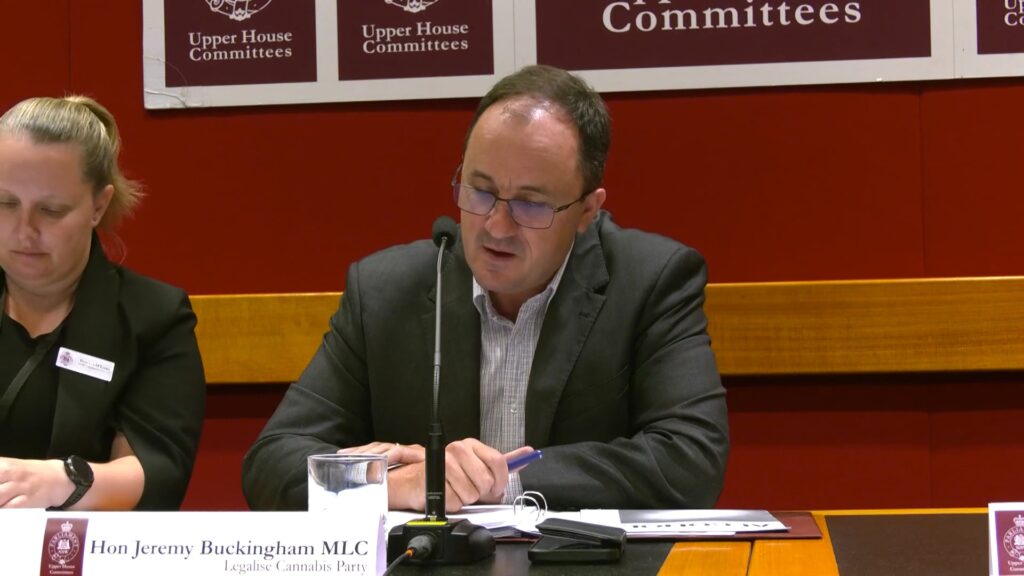
Though that timeline may frustrate those pushing for faster reform, Legalise Cannabis NSW MP Jeremy Buckingham called it "a long overdue breakthrough".
"This is about fairness, science, and good policy," he said. "You can legally be prescribed opioids, benzodiazepines, or antidepressants and still drive, so long as you're not impaired. Medicinal cannabis patients deserve the same right."
He added: "This recommendation is a breakthrough for patient equality and the principle of harm reduction. We've been fighting for this change for years. If legislated, it will finally bring cannabis in line with other prescribed medicines.
"We need driving laws that test for impairment — not mere presence. Presence does not equal intoxication. The current laws are unjust and outdated. They punish patients who are doing the right thing."
The 52-page report followed four days of Drug Summit proceedings held across regional NSW and Sydney last year. Co-chairs Carmel Tebbutt and John Brogden wrote that the recommendations will "change and improve the lives of many citizens of NSW".
"The sheer breadth and number of recommendations requires us to identify priorities," they wrote. "In doing so we have chosen actions that we ask the government act on swiftly.
"We consider the priorities selected – and where needed the funding, policy and legislation required – can be commenced or fully actioned over the next one to two years."