A final report from a NSW parliamentary inquiry into the state's cannabis industry has recommended reducing the volume of imported medicinal cannabis, as part of a broader push to strengthen support for Australian producers.
Tabled by the premier and finance committee, the 102-page document built upon the findings of its preliminary report published last October.
Beyond reiterating earlier calls to remove custodial sentences and decriminalise cannabis use and possession, the committee urged the NSW government to press federal authorities to "develop and expand" the domestic medical cannabis sector.
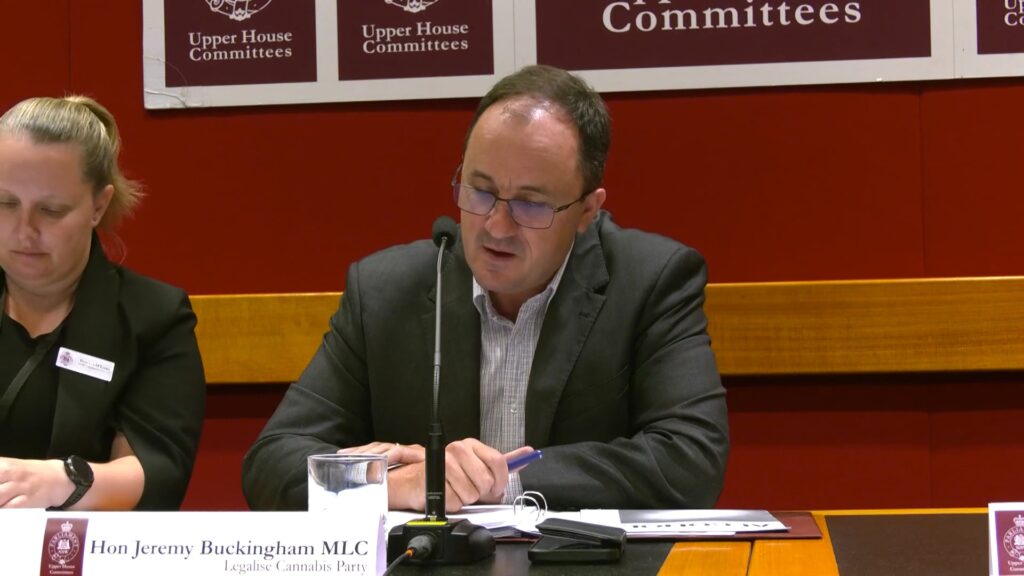
Writing in the newly-released final report, NSW Legalise Cannabis MP and committee chair Jeremy Buckingham said: "Looking at federal regulation, it has been suggested that importers of cannabis face less regulatory burden than local producers. This is unfair. Our local medicinal cannabis industry must be supported. The committee has recommended reforms which seek to prioritise and incentivise local production."
Among the recommendations is a call for state governments to lobby Canberra to reduce medicinal cannabis imports by "prioritising and incentivising the supply of domestically cultivated and manufactured products".
The report said this approach would give Australian patients access to "high-quality, locally produced cannabis medicines".
The committee also called on the government to support local cultivation, processing, manufacturing and clinical trials through grants and regulatory improvements.
The broader findings mirror those set out in the preliminary report, which examined criminal offence reform, police powers, sentencing and drug-driving laws affecting medicinal cannabis patients.
On criminal law, the report called for custodial sentences for adults to be scrapped and for personal use and possession to be decriminalised, describing it as "absurd, draconian and antiquated" that possession of small quantities can currently result in a two-year prison sentence.
"These are clear and sensible reforms which would reduce the harms of cannabis regulations which continue to impact our community," Buckingham said.
The inquiry found that access to medicinal cannabis remained a significant issue, with cost, location and prescription barriers continuing to drive patients toward the illicit market.
"The criminal status of a person now depends on their capacity to obtain a prescription from a doctor," it stated.
The committee also called on the government to fast-track a parliamentary debate on a proposed bill to legalise possession, use and limited home cultivation, and to ensure that gifting cannabis is not classified as supply.
Looking further ahead, the report recommended that — after a review of decriminalisation outcomes — the government consider legalising and regulating cannabis for adult use in a manner that dismantles the illicit market and creates a safe, accessible and regulated framework.
The report also made a strong case for overhauling drug-driving laws, pointing out that medicinal cannabis patients continue to face prosecution despite no evidence of impairment. It recommended introducing a medical defence for drivers holding a valid prescription, a measure that has been raised in previous discussions.
The majority of committee members — including chair Jeremy Buckingham and Labor MLCs Stephen Lawrence, Cameron Murphy and Greg Donnelly (substituting for Dr Sarah Kaine) — backed the recommendations.
Liberal MLC Natasha Maclaren-Jones, however, opposed several of the proposed reforms.
In a formal dissenting statement, Maclaren-Jones argued that the evidence presented during the inquiry did not justify changes to existing laws, and raised particular concerns about the proposal to reform drug-driving legislation.