Ecofibre has announced encouraging findings from research exploring CBD as a potential treatment for endometriosis and gynaecological cancers.
The ASX-listed company's Ananda Hemp division applied organoid technology to gather normal and damaged tissue samples alongside vaginal epithelial stem cells, then exposed them to varying doses of Ananda CBD extract.
In the endometriosis arm of the research, the treatment eliminated damaged cells while leaving healthy tissue intact across a "significant" number of patients, with a combination of vaginal cream and oral oil producing the strongest outcomes. Those results appeared within three to four weeks.
For endometrial and ovarian cancer, the extract — used as an adjunct treatment — allowed researchers to reduce the standard chemotherapy dose by 20% in human patients and by five times in organoid and patient-derived xenograft animal models.
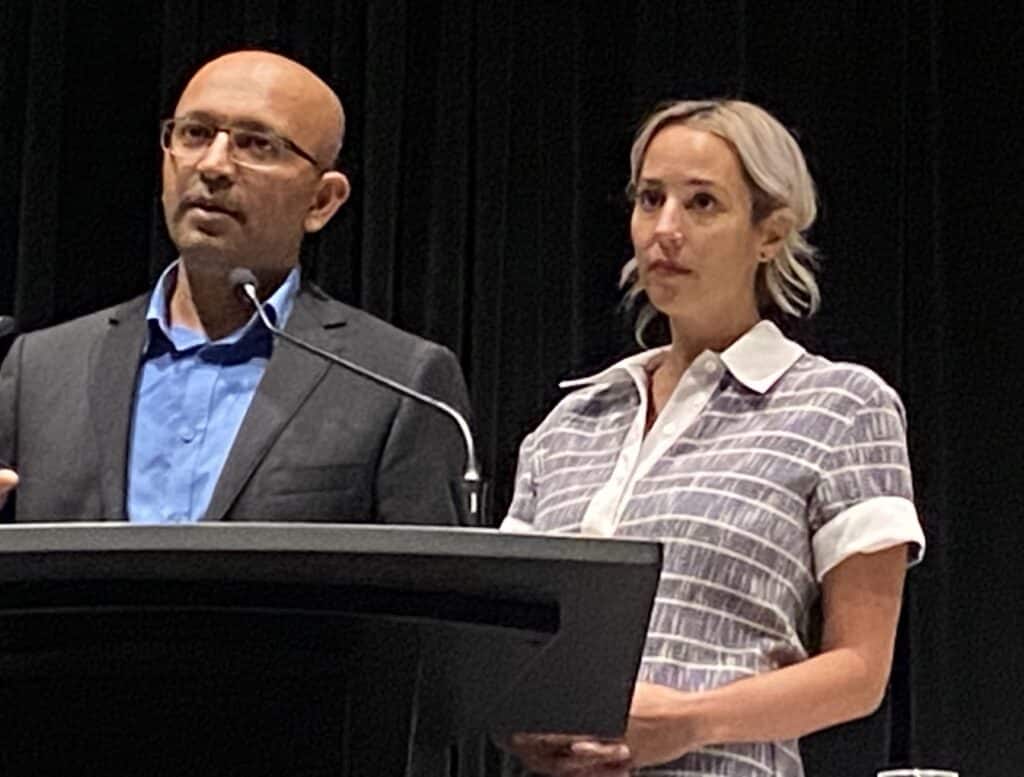
In a briefing for investors, healthcare professionals and researchers, chief science officer Dr Alex Capano noted that endometriosis affects 11% of women in Australia, is linked to heightened anxiety and reduced quality of life, and costs billions of dollars in lost productivity annually.
She cited US research showing that 65% of patients suffering from the condition use opioids, rising to 84% at follow up.
"This is long-term opioid use and it's really not the solution for endometriosis," Capano said. "We need to do better with pain management, but we [also] need to do better with quality of life and disease management."
Ananda Hemp is focusing on this condition because of the large number of women it affects, its health and economic burden, and the limited range of effective treatments currently on offer.
Capano said: "There are really not great treatment options outside of surgery, which is still controversial and doesn't always work.
"From a commercialisation standpoint, endometriosis is prevalent so it's not hard to recruit participants. There's a serious need for safer and better therapies, and there's not a lot of competition."
The market is estimated to be worth around $4 billion by 2030.
Over 200 women have taken part in the studies so far, conducted under the leadership of Professor Pradeep Tanwar at the University of Newcastle's Global Centre for Gynaecological Diseases.
The company intends to file a commercial Investigational New Drug application with the US Food and Drug Administration within the coming months and will also initiate phase II clinical trials on endometriosis, with gynaecological cancers to be addressed concurrently.
"As we're doing that for endometriosis, we will be maturing the data and the IP for the oncology indications," Capano said.
"Endometriosis, endometrial cancer and ovarian cancer are the top three indications that we've evaluated. We have the most supportive data and the IP to move forward with drug development in these.
"We need to show that proof of concept [for endometriosis] and then we can move on and pursue some of the more challenging indications."
Capano said the approval pathway carried reduced risk because of the company's use of organoids, which offer greater predictive accuracy for human responses.
Whether the trials will be conducted in Australia, the United States, or across both countries has not yet been confirmed.