Australia's prescribed medicinal cannabis market is projected to reach A$1 billion in spending during 2024, according to new research from the Penington Institute.
Data drawn from honahlee's Catalyst medicines database point to a surging medical market, with patients spending around $402 million on the medicine in the first half of 2024 alone.
That figure is only slightly below the estimated $448 million spent across all of 2023, and well above the $235 million recorded for 2022. Based on this trajectory, the report forecasts total 2024 spending will exceed $1 billion.
Separately, figures obtained from the Therapeutic Goods Administration (TGA) via a Freedom of Information request reveal that more than 2.87 million products were sold between January and June 2024 — a substantial jump from the 1.68 million units sold in the second half of 2023.
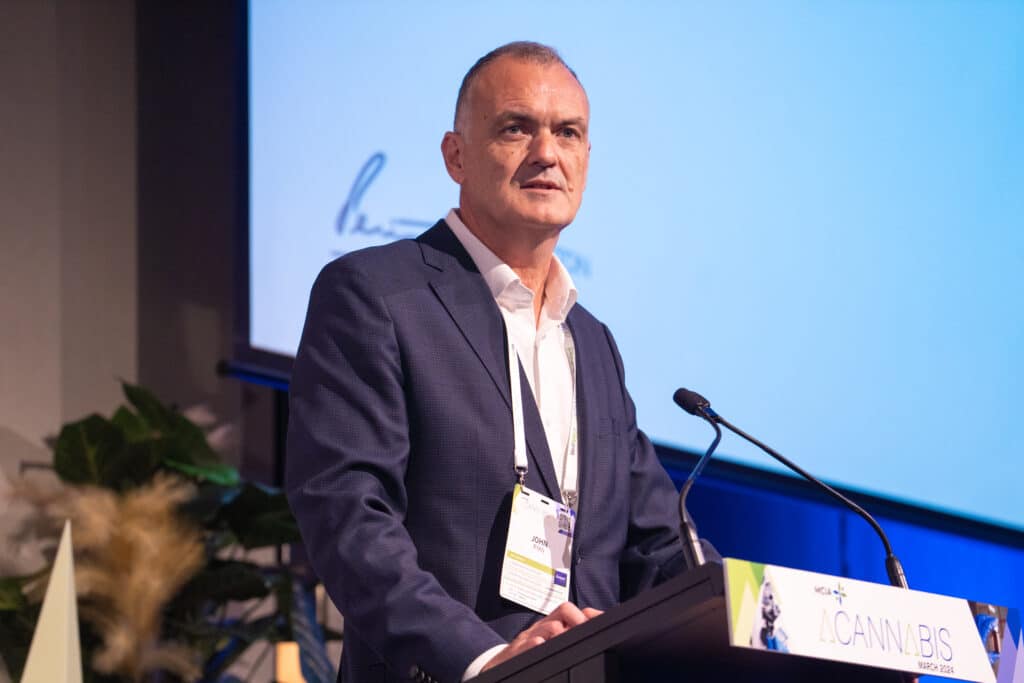
Penington Institute CEO John Ryan cautioned, however, that the market's strong growth should not obscure the difficulties confronting the industry or conceal what he described as the "incoherence" of Australia's cannabis policies more broadly.
In the organisation's Cannabis in Australia 2024 report, Ryan said: "In terms of growth, the industry is flourishing, with hundreds of thousands of patients benefiting from access to safe, quality-controlled products that are dispensed according to a doctor's directions.
"Yet many of the headlines related to medicinal cannabis this year have been negative, with regulators and journalists investigating producers that treat regulations as optional and medical clinics that act more like retailers, leaving vulnerable people at risk.
"Some medicinal cannabis clinics are clearly prioritising high-volume access over high-quality medical care. Regulators must actively enforce laws and regulations against companies and individuals who flout them."
Beyond criticising such conduct, Ryan said lawmakers should reflect on how the existing legal framework is fuelling problems within the sector.
"Parliamentarians and other policymakers must also understand the broader context: it is short-sighted to make medicinal cannabis the sole access point for a high-demand, relatively low-harm product," he said.
"The effect is that people who can navigate and afford prescription medicinal cannabis are able to avoid being criminalised for their cannabis use, while those at highest risk of arrest – Indigenous, rural, and lower-income people – lack such protection."
Ryan said the path out of this "incoherence" lies in building a regulated adult-use model that operates alongside the existing medical framework.
"Australia has created a policy muddle, but we know how to get out; we just need the will to do so," he added.
The Penington Institute is currently developing detailed modelling for how a regulated adult-use market could function in Victoria and is preparing to launch a public campaign on the matter.