The founding directors of the Australian Medicinal Cannabis Association have commemorated its fifth anniversary by reaffirming their commitment to patient rights and pledging to "fearlessly represent" the broader industry.
Despite sustained criticism and external pressures that have weighed on the sector over the past year, they committed to "continue to challenge stigma, champion innovation and advocate for policies" that serve patients.
"We hope that the coming years bring even greater advancements, stronger partnerships and a broader understanding of the role medicinal cannabis can play in holistic healthcare," AMCA said in a message to members.
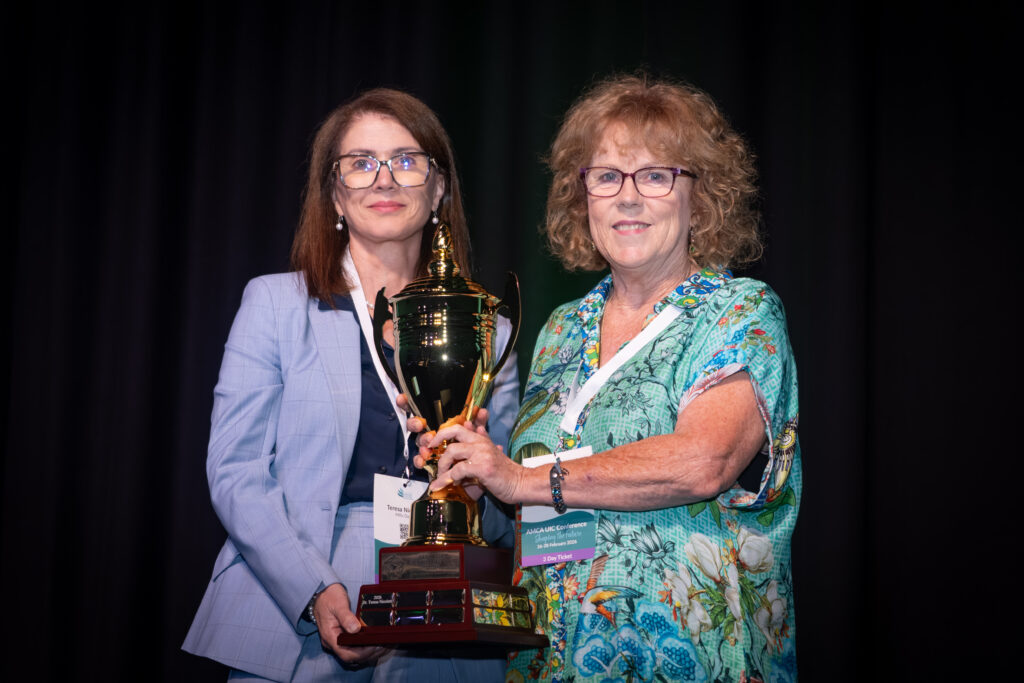
AMCA was established in 2020 by Lucy Haslam, Teresa Nicoletti, Gail Wiseman and Justin Sinclair.
AMCA chair Dr Teresa Nicoletti said the association has been a "beacon of hope and a force for compassionate change" since its inception.
"In a sector often laden with misunderstanding, stigma and complex regulation, AMCA has fearlessly represented the breadth of the medicinal cannabis sector, championing the rights of patients, the integrity of scientific inquiry and the importance of safe, equitable access to medicinal cannabis," she said.
"The seeds sown in its earliest days have blossomed into a movement that embraces collaboration, education and advocacy at every level."
She acknowledged, however, that the path "has not always been easy," with the industry confronting "legislative hurdles, misconceptions, unethical practices and the ever-evolving nature of medical science".

Even so, AMCA has faced those challenges with "unwavering resolve," Nicoletti said.
"Each year has brought new challenges, but also new triumphs. The association's work has contributed to policy reforms, greater public awareness and enhanced collaboration between healthcare professionals, patients, researchers and industry partners."
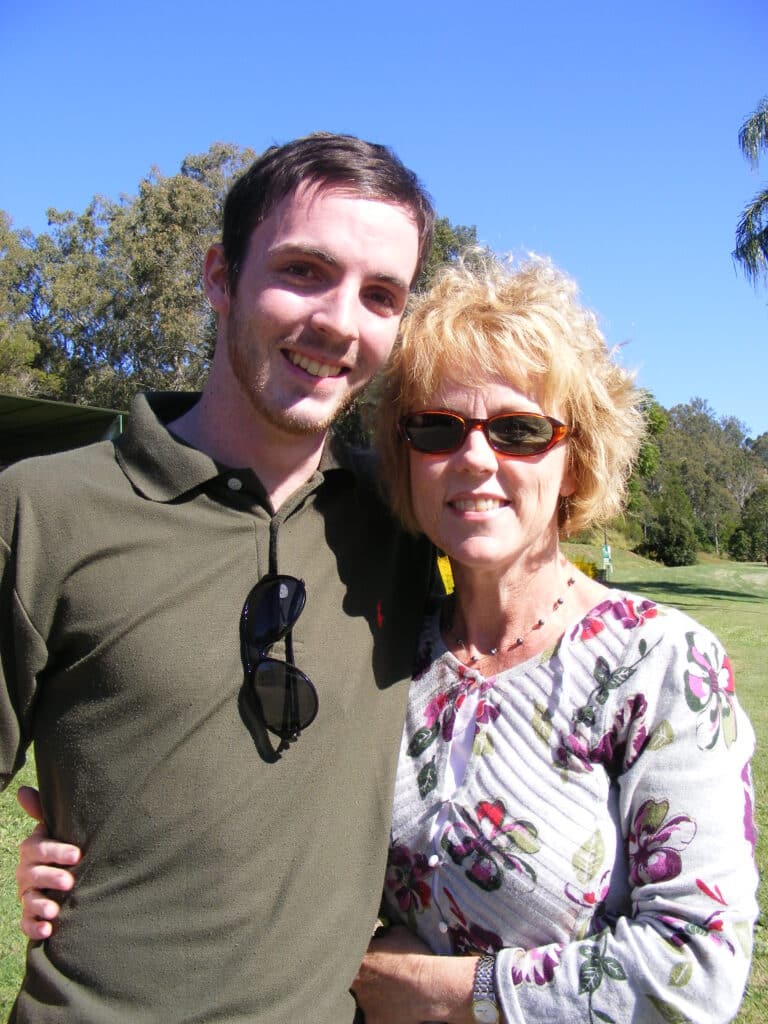
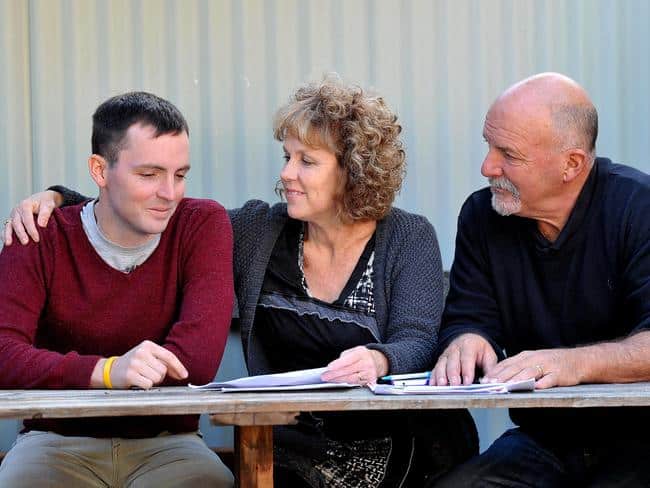
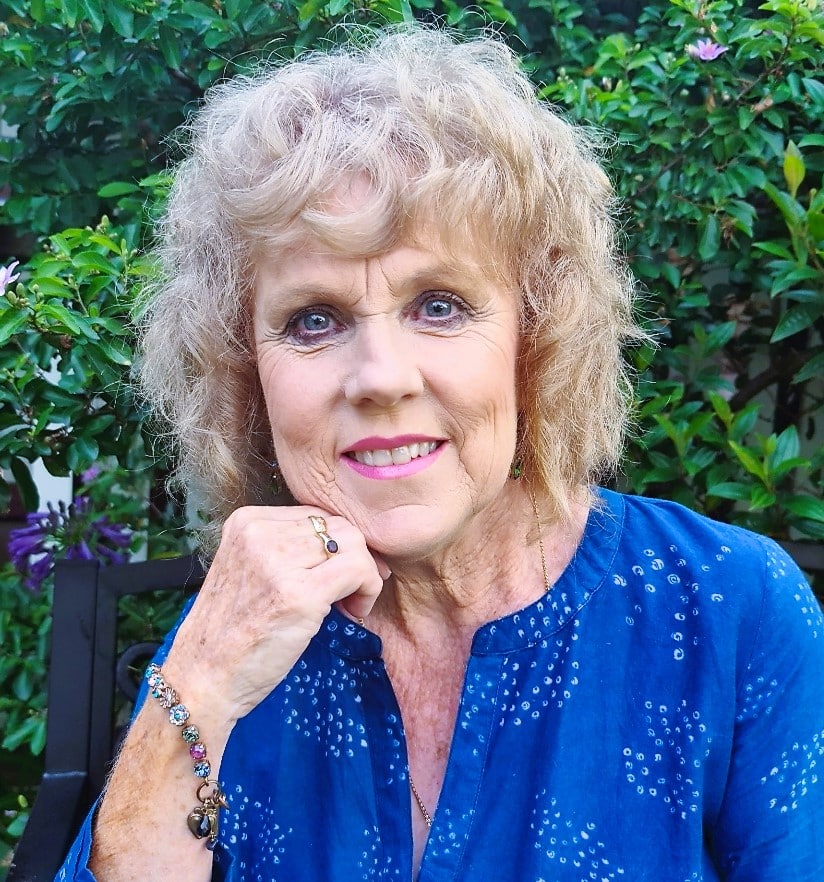
Co-founder Lucy Haslam praised the dedication of all past and present board members, but stressed the work she began with her son Dan through United in Compassion is far from finished.
"As we celebrate this milestone, we are reminded that the journey is ongoing," she said. "There is still much work to be done to ensure that medicinal cannabis is accessible, affordable and destigmatised for all Australians who may benefit from it."
ANTG chief scientific officer Justin Sinclair, a board member since the association's launch, said AMCA's influence has extended well beyond its own membership.
"Through persistent advocacy, AMCA has played an essential role in championing for the developing Australian industry and supporting healthcare providers through development of clearer guidelines and education," he said.
"Educational initiatives have helped dispel myths and foster understanding among the public and healthcare providers alike. The Association's commitment to evidence-based research has informed sound policy and the responsible integration of medicinal cannabis into mainstream medical care."
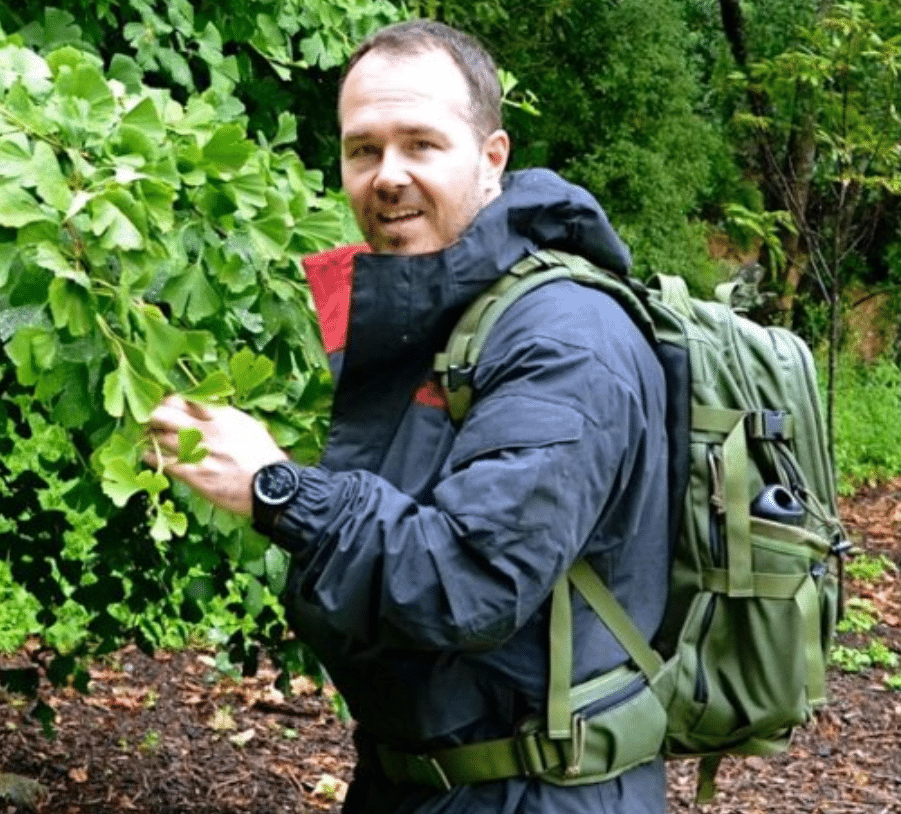
Gail Wiseman, AMCA's general manager, pointed to patient support as a central pillar of the association's efforts, with the creation of the Compass compassionate access scheme among its standout achievements.
"AMCA has helped to humanise and destigmatise the use of medicinal cannabis. It is this focus on compassion – rooted in listening and responding to real patient needs – that sits at the heart of every AMCA initiative," she said.

"For the future, my short term hope is that this sector cleans itself up, and that the government increases its support for local growers and manufacturers.
"In the longer term, my hope is that every patient's GP eventually becomes more trusting, familiar and adept at prescribing MC for suitable patients."
Nicoletti said the challenges and opportunities facing medicinal cannabis will keep evolving, but insisted AMCA would approach whatever lies ahead with "courage and optimism".
"The association's commitment to science, compassion and patient-centred care remains steadfast," she said. "As chair, I look forward to seeing AMCA continue to play a central role in shaping the next chapter of medicinal cannabis policy and practice in Australia, through continued education, advocacy, research, collaboration and community-building."