Co-founder Martin Lane reflects on the challenge of achieving equal representation on industry panels in a sector dominated by people who look just like him.
Organising events is genuinely hard work. Running a publishing company where 60% of revenue depended on conferences taught me that much — our event manager once likened each one to a tooth extraction: tremendous relief when it's over, but excruciating in the lead-up.
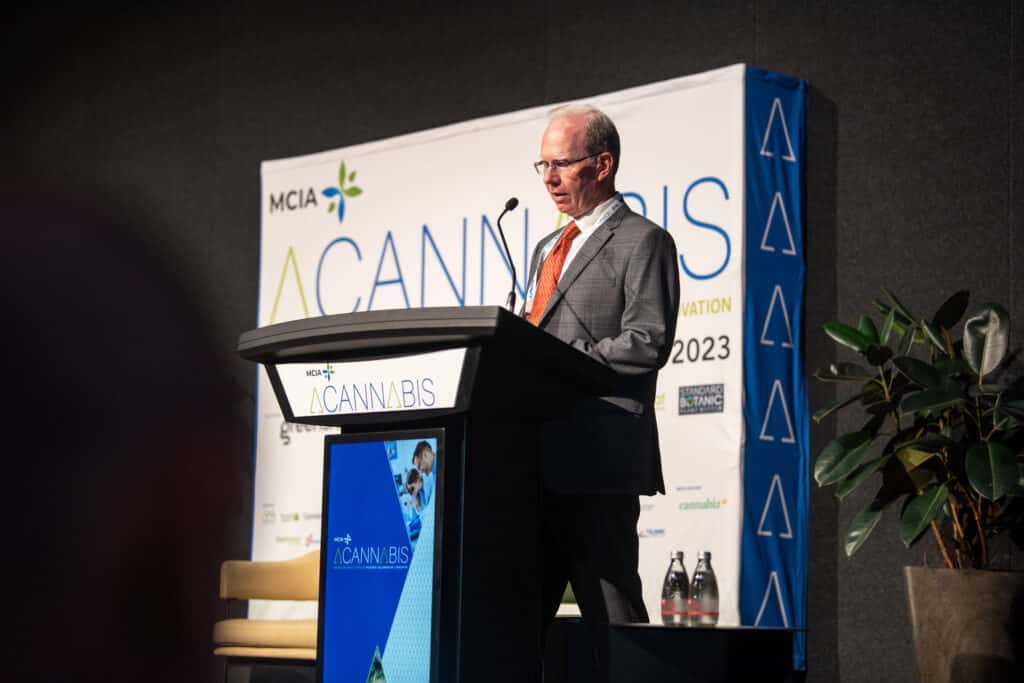
With that in mind, full credit goes to the team at Medicinal Cannabis Industry Australia (MCIA) for pulling off an impressive ACannabis conference in Melbourne last week.
The energy in the venue was palpable, the sessions were relevant, engaging and occasionally pointed — in the best possible way. The inclusion of a compliance day and gala dinner gave the event a sense that this was the unmissable gathering for medicinal cannabis professionals.
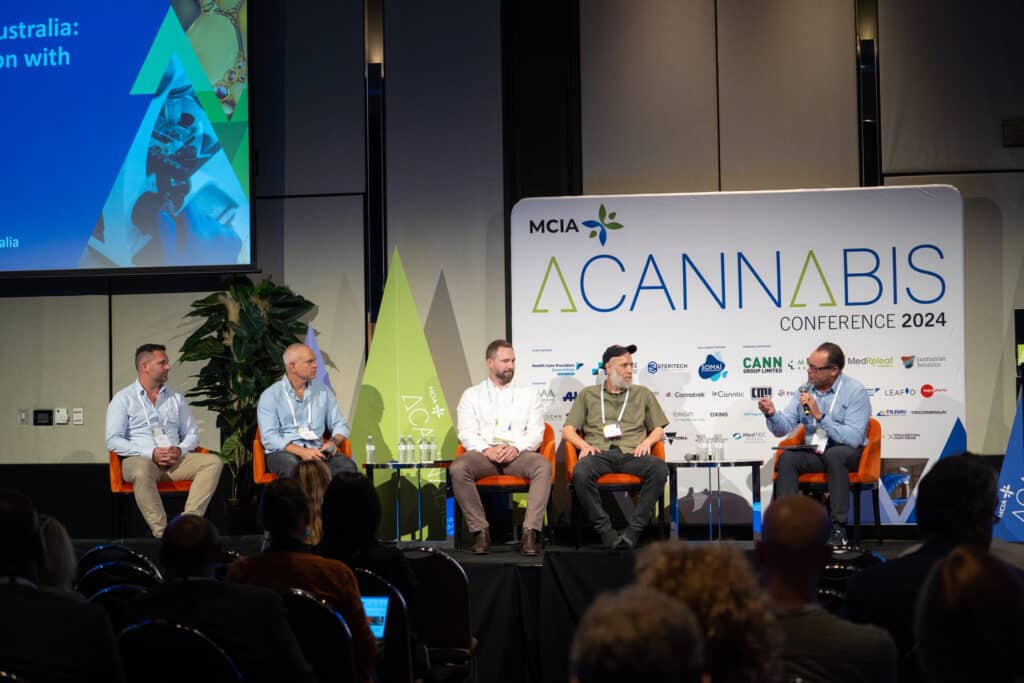
From a content perspective, there was really just one false step: a panel of company chief executives that included no women at all — not even in the moderator's chair.
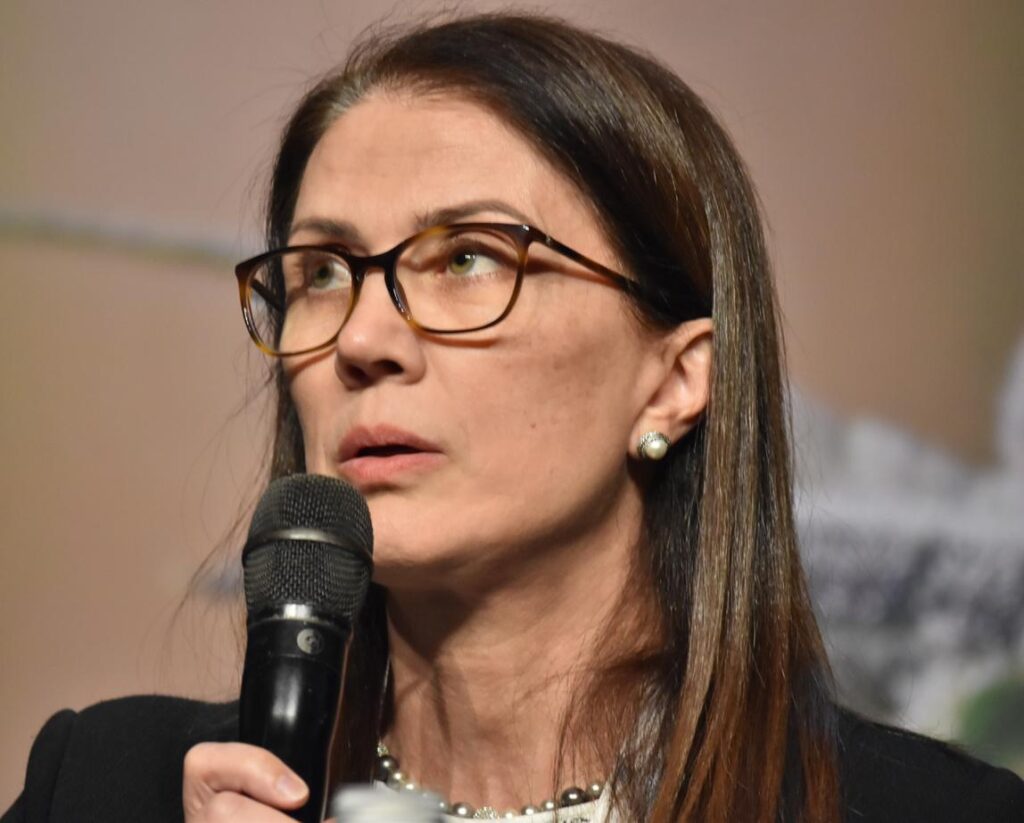
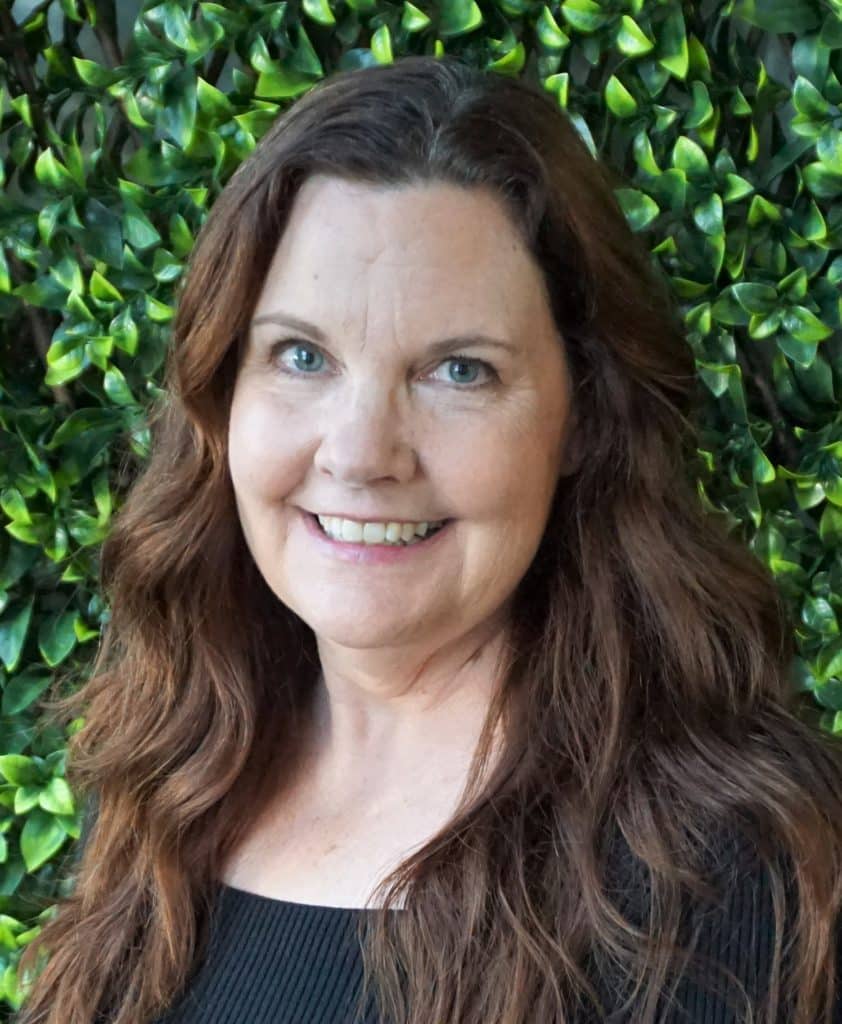
That's partly a symptom of an industry that has relatively few women in senior positions. But ECS Botanics MD Nan-Maree Schoerie was speaking on a separate panel. Bod CEO Jo Patterson was seated in the audience. That's two ASX-listed companies with women at the helm.
Even accounting for the fact that one of those businesses is going through a difficult period, either presence would have brought a different dimension to the discussion.
Beyond those two, there were plenty of other female leaders both in the room and on stage across the two days: Medical Cannabis Australia founder Sharon Bentley, former FreshLeaf Analytics MD Cassandra Hunt, Heyday Medical MD Phoebe Macleod, MediGreen proprietors Sharon Miller and Angelica Rostov, and the entourage effect CEO Lisa Varley, among others.
I'm not blind to the irony of a white, middle-aged man raising concerns about the absence of diversity on a single panel at an otherwise strong conference.
But a CEO roundtable is meant to reflect industry leadership, which makes it one of the most consequential panels to get right. In a program where female representation was otherwise genuinely strong, the omission felt like an avoidable misstep — and one that was predictably noticed on social media.
Writing on LinkedIn, Viz Medicinal CEO Natalie D'Alessandro commented: "The chutzpah of presenting a CEO roundtable that looks like this left me pondering… is the panel a fair reflection of the decision makers across the cannabis industry globally, and/or the Australian medical space? Is diversity really that important when we are discussing cannabis for healthcare?"
Those are crucial questions for all of us to consider.
Getting the balance right isn't always straightforward — our own Green Room video segment and monthly podcast have at times featured all-male line-ups, so we're hardly in a position to claim the moral high ground.
Putting together the weekly newsletter requires a conscious effort to ensure women appear alongside the men in suits. It shouldn't require that kind of deliberate attention, but in practice it does.
In a previous role, we made a firm policy decision that every conference — and every panel — would have an equal gender split. Once that commitment was made, finding qualified women to fill speaking slots became easier. It just required looking a little harder.
Cannabis is more challenging than media and marketing in this respect, if I'm being honest.
For example, assembling the judging panel for the The Cannabis Observer Awards with an even gender balance is something we actively pursue and still fall short of. This year's panel has 15 women and 19 men — closer than before, but not there yet.
And while that ratio might earn a near-pass on gender, we fall well short on other dimensions of diversity, ethnicity being an obvious example.
It's also only recently occurred to me that we should be confirming our awards venue has accessible podium access for guests with disabilities who might be collecting an award this year.
Events like ACannabis are more valuable when a wider range of voices and perspectives are given space on stage, which makes diversity in all its forms worth pursuing actively.
Cannabis, like many industries, remains male-dominated — that's the reality. But it's a reality far more likely to shift if there's a collective commitment to giving women an equal share of the platform.