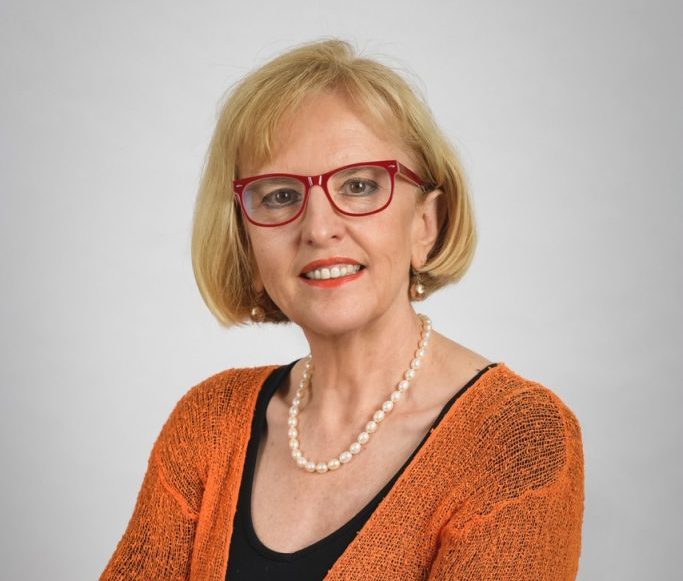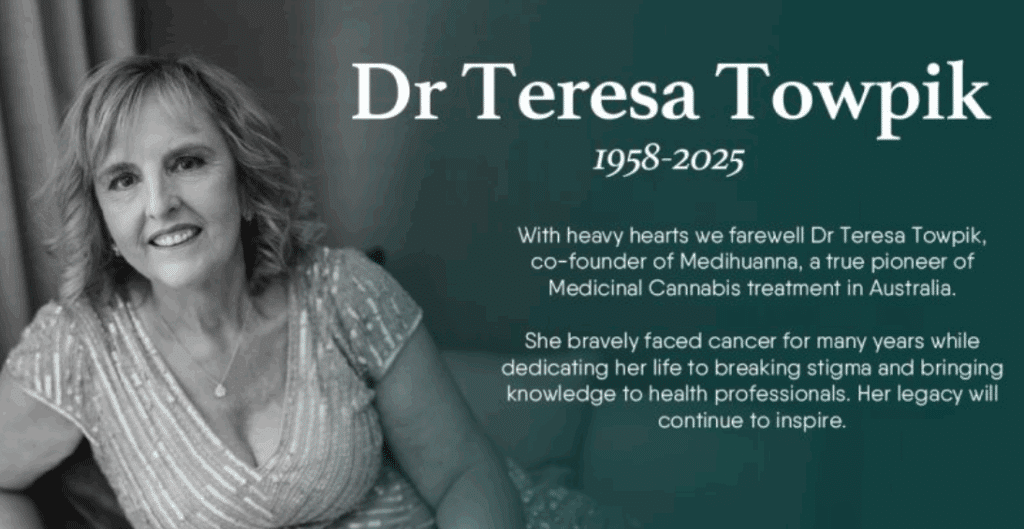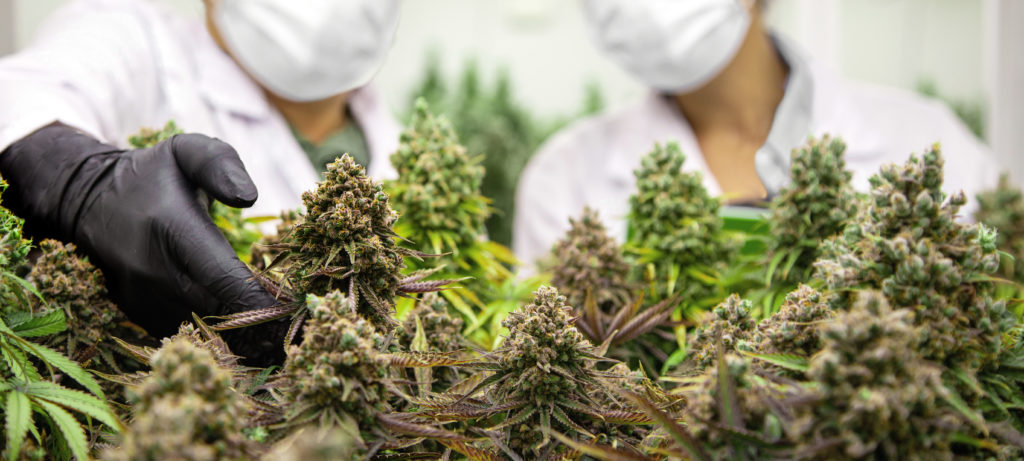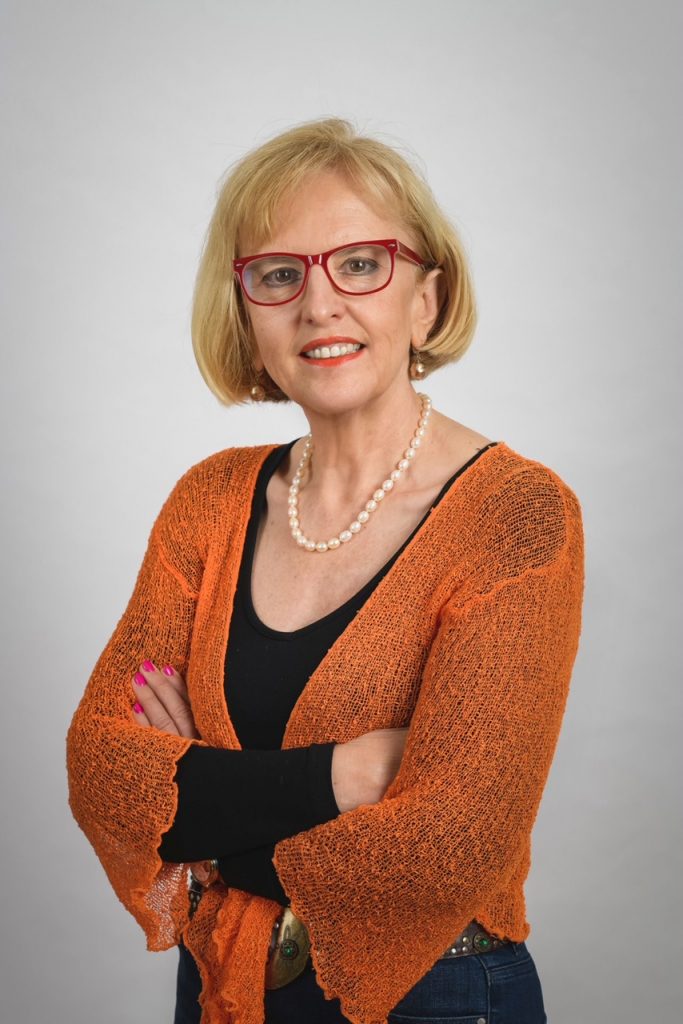
Medihuanna founder and medical director Dr Teresa Towpik argues that securing a PBS listing for medicinal cannabis should sit at the top of the industry's agenda.
Medicinal cannabis is growing more affordable and accessible by the year. Patient demand is rising, and the attitudes of prescribing doctors have shifted considerably. Not long ago, many were deeply sceptical and reluctant to engage with the treatment at all.
Some of my patients would comment: "My GP is against it and told me it will cause schizophrenia" or "they said it is against their religious beliefs to prescribe''.
That climate has changed, and a growing number of doctors are now joining Medihuanna's workshops and online courses.
Most of them are very open. They say: "I need to be involved because so many patients are asking about it" or "I am tired of pushing drugs which, quite often, are not working and causing adverse effects''.
Progress is real. More doctors are getting educated and writing prescriptions, and more patients are experiencing the benefits of this treatment. Even so, a number of significant problems remain unresolved.
Prescribers remain concerned about penalties for patients who drive while using medicinal cannabis products containing any quantity of THC. Too often, clinical decisions end up shaped by these outdated drug-driving laws rather than by what patients actually need.
The cost of medicinal cannabis also remains out of reach for many people, and expense is frequently cited as the reason patients discontinue treatment. Clinic consultations add another layer of cost, with many not eligible for a Medicare rebate.
A disproportionate number of patients seeking treatment come from low socio-economic backgrounds — the people who need it most are often the least equipped to pay for it.
As a patient myself, using medicinal cannabis alongside conventional and other treatments, I understand this reality first-hand.
There are compelling reasons why medicinal cannabis should be listed on the Pharmaceutical Benefits Scheme (PBS), and the industry needs to work harder to make that case to government.
It is a multi-target drug that interacts with the human body on multiple levels, making it possible to treat several clinical conditions and symptoms at once and to reduce reliance on other medications — particularly opioids and benzodiazepines.
There are no recorded deaths from cannabis overdose, which stands in stark contrast to conventional drugs that carry long lists of adverse effects. Data from Victoria shows that between 2009 and 2015, pharmaceuticals — particularly benzodiazepines and opioids — contributed to approximately 80% of overdose deaths each year.
Beyond that, estimates suggest that in 2018, around 3.24 million Australians were living with chronic, poorly managed pain, and roughly A$73.2 billion was spent that year addressing the condition.
Clinical observations consistently show that medicinal cannabis patients experience not only better control of their symptoms but improved day-to-day functioning. They tend to make healthier choices around diet and exercise, and many return to work after chronic pain had forced them to stop.
A PBS listing would make access straightforward and affordable, with flow-on savings across the broader healthcare system.
It would give doctors a genuine opportunity to manage patients more effectively in the community, reducing unnecessary hospital admissions and avoidable surgeries.
As patients regain their functional capacity and re-enter the workforce, the burden on Centrelink would ease as well.
“Unfortunately, clinical decisions are often based on outdated drug-driving laws rather than the clinical needs of patients.”
I'd like to share a typical story of one of my patients.
A 40-year-old male was referred to me by his GP with a long-term history of lower back pain due to a L5/S1 disc prolapse and PTSD following a car accident a few years ago.
He experienced daily pain, insomnia, nightmares, flashbacks and panic episodes. His overall quality of life was poor, he lost his job and was on disability allowance. His relationship with his wife was affected, he became socially withdrawn, stopped playing with his children, and was unable to do much around the house.
Various conventional drugs caused adverse effects and were ineffective in controlling his symptoms. He smoked illicit cannabis for many years, but preferred to use legal products and wanted to be guided by his doctor. He wasn't driving due to PTSD.
He was started on a THC 10mg/ml and CBD 10mg/ml medicinal cannabis formulation and titrated slowly to the optimal dose of 0.5ml in the morning and 1ml at night.
He stopped using illicit cannabis and commented that he felt better not smoking.
He showed improvements on many levels, such as reduced pain and periods of no pain, improved sleep and mood. He became more functional, more social and more interested in doing things for himself, including gentle exercise.
After around six months, however, he chose to stop his prescribed medication and returned to smoking illicit cannabis because it was far cheaper.
His is one of many cases illustrating how patients who could benefit from proper medical guidance are instead making decisions driven purely by cost.
Getting medicinal cannabis listed on the PBS should be a clear priority for the industry — it is a reasonable, practical and logical next step.
- Dr Towpik's book Cancer, My Greatest Teacher is now available on Amazon.