A psychiatrist has called for broader discussion regarding the therapeutic use of cannabis in treating mental health conditions, particularly in response to a marked increase in anxiety disorders linked to the pandemic.
David Castle, a professor at St Vincent's Hospital in Melbourne, underscored Australia's need to move forward with scientific development of both cannabis-based and psychedelic therapeutic approaches.
The pandemic has generated a surge in patients experiencing anxiety, Castle observed, with many proving unresponsive to traditional pharmaceutical interventions.
At the Australian Symposium of Medical Cannabis, panellists highlighted the importance of individualized cannabinoid dosing and rigorous clinical monitoring to optimize outcomes.
Panellists also made clear the need to distinguish between the mental health effects of recreational cannabis consumption and physician-prescribed medicinal cannabis.
At the event organized by the Australian Institute of Medical Cannabis, Castle stated: "We absolutely have to recognise there is huge ongoing morbidity within the general population in terms of psychiatric disorder. PTSD is one and there is no doubt we are going to see that increase after Covid. Goodness knows how many people I am seeing who are increasingly anxious and not able to sleep at night… and for whom conventional medicines do not work. I'm not saying cannabis should be put in the drinking water, or is the answer for everyone, but we need to be open to this and advance the science."
Australia's current standing in cannabis research remains behind other nations, and must accelerate efforts to increase scientific inquiry and expand access to medicinal options, Castle added.
He continued: "These are not dangerous compounds. There are some concerns about particularly vulnerable individuals who are using high THC, but we know what is in medicinal compounds and you can make informed decisions with the patient around which compounds you use."
Castle advocated for recognition of "true life and real patient" examples in clinical and research contexts.
"This sort of stuff… is the most powerful messaging," he said.
Jamie Rickcord, a general practitioner and founder of Ananda Clinics in Byron Bay, endorsed Castle's position and underscored the importance of precisely defining the difference between recreational and medicinal cannabis effects.
"There needs to be a push both for cannabinoids and psychedelic medicine," he said. "This is for medicinal use with trained professionals, and with evidence to back it up. We are not talking about going to festivals or promoting that people buy their marijuana from the hills. They are two separate things and we need to keep hammering that message home. Once people understand that, it's going to improve for everyone."
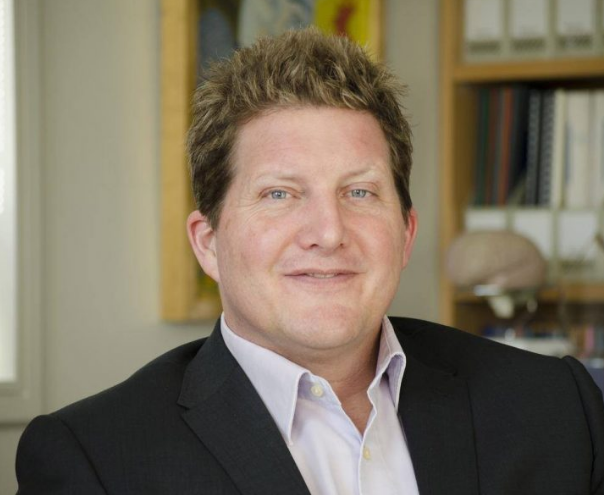
“I’m not saying put cannabis in the drinking water, or is the answer for everyone, but we need to be open to this and advance the science.”
professor of psychiatry david castle
Rickcord noted that psychedelic compounds generate public resistance. However, he predicted adoption could accelerate faster than cannabis once legal frameworks shift.
"The evidence for psychedelics is probably more overwhelmingly positive than some of the evidence for cannabinoid medicine," he said.
Rickcord argued earlier in the panel that more physicians must begin prescribing medicinal cannabis if Australia is to develop a comprehensive understanding of how different cannabinoid formulations affect patients with mental health conditions.
That may require regulatory adjustments, as current rules mandate GPs to specify a particular diagnosis before they can issue cannabis prescriptions.
When asked about isolates versus whole-plant formulations, Rickcord responded: "It's an ongoing debate about isolates verses full plant, but anecdotally most patients prefer full-plant products. We are in the early stages of understanding it in Australia and we need more doctors with bigger numbers than possibly exist at the moment to start teasing out what's working and what's not, and that's based on personal experience. If you're talking hard evidence of what's going on, that is some way away and it's expensive."
Castle noted that his own clinical exposure to CBD is "limited," though it appears "really helpful" for select patients managing sleep and anxiety.
He proposed that a tailored approach involving patient experimentation, conducted under physician guidance, could identify the optimal cannabinoid combination for each individual.
"With pain syndrome for example you do need some THC so it's a bit of a balancing act. Patients can actually do this themselves. They can get CBD and THC rich oil and mix and match which I think is not a bad way forward if you're closely monitoring the efficacy," he said.

Jerome Sarris, professor of Integrative Mental Health at the NICM Health Research Institute, observed that patients frequently self-treat multiple conditions with cannabis simultaneously. Yet the Special Assess Scheme requires cannabinoid prescriptions to target a specific medical condition.
"There is obviously a major focus on pain, anxiety, insomnia and some mood management, that is what people are mainly using for, so a lot of the time they are not using it for one particular symptom," he said. "But when you get it prescribed you have to focus on a particular disorder, even though that is not how people are using it."
Sarris referenced American psychiatrist Scott Shannon, who prescribes CBD to children with insomnia and trauma symptoms.
"But I don't know that's something that could be prescribed via our system because maybe it doesn't meet the threshold of a particular disorder," he said. "Hopefully we'll move towards having a greater understanding in terms of a flexible approach, and how CBD is actually being used and accepting that… rather than it being disorder specific."
Understanding "the interface from a personalised medicine perspective about the range of cannabis compounds and preparations" remained essential, Sarris added.
"We are not quite there yet, but that data is evolving," he told the symposium. "We have to consider how does that relate to a person's individual genetics? How does that relate from a pharmacogenomics perspective and from an individual's traits, their psychological state? Some products may work really well for one person, but not someone else. It might not be down to the products, it's to do with the individual. We are learning about that interface more and more, but it will take a bit of time to get more understanding."
Emily Rigby, research program director at Cannatrek, concurred that medicinal cannabis functions as personalized medicine given its unique interaction with each individual's endocannabinoid system.
"It's very much like our fingerprint, it's unique," she said.
When asked how practitioners should approach personalized treatment, Castle suggested following the term's literal meaning.
"Listen to the patient," he said. Finding the correct formulation requires what he described as an "art form."
"With PTSD for example… listen to patients and ask what symptoms they are most troubled by. A lot of people with PTSD hate the night because they know they're not going to sleep and they know they're going to have terrible nightmares. So it's often about the anxiolytic and soporific effects [of medicinal cannabis]. Others have been through physical trauma and have pain syndrome and you need to target that separately. It really is a bit of an art form so personalised medicine is mainly listening to the patient."
Rickcord employs higher CBD doses for PTSD treatment. When paired with appropriate THC levels, patients can achieve a more "parasympathetic place," he explained.
"With antidepressants or benzos, patients say it numbs them, and disconnects them from themselves. But if we use the right amount of cannabinoids we can regulate them without disconnecting from their emotions," he explained. "That way their symptoms are resolving and that's what we're doing, we're improving their well-being. That is personal medicine, and that is individual for every single patient. You can't go wrong if you start with fairly big doses of CBD and slowly increase the THC until you find the sweet spot. And then their lives improve."