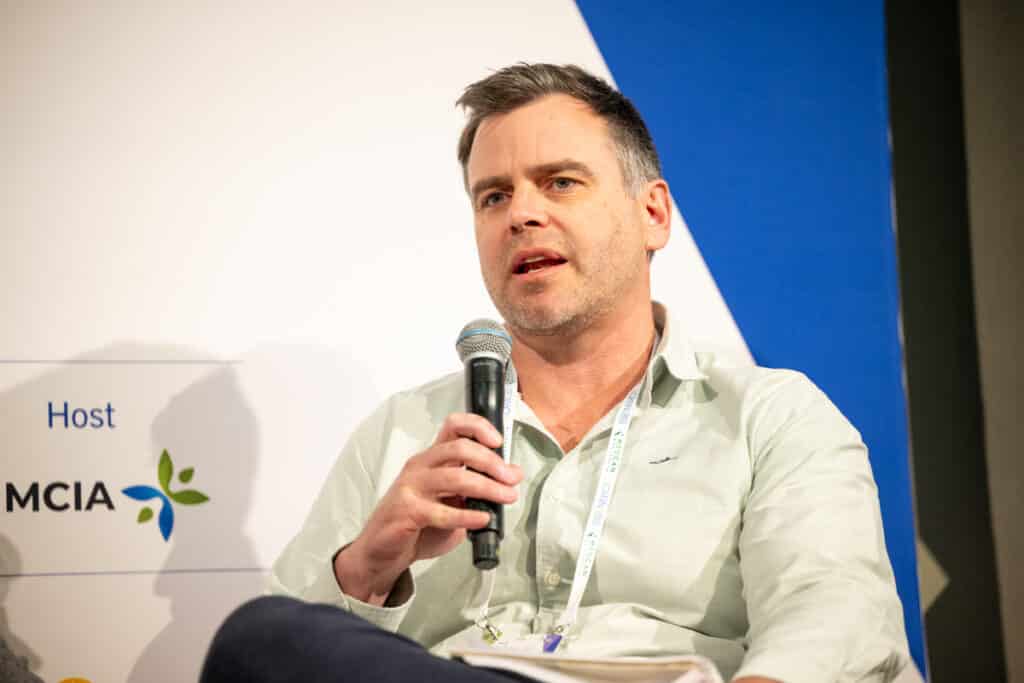
Medicinal cannabis is set to be among Australia's fastest-growing employment sectors over the coming years. Cannatrek's Paul Schwartz offers guidance for those looking to enter an industry that is transforming patient care.
As Australia's medicinal cannabis sector expands, the ability to attract, develop and hold onto skilled talent will separate the leaders from the rest. That challenge is real: this market is still in its early stages, making it genuinely difficult to find candidates with direct, hands-on experience in the field.
Naturally, certain positions will require people who already know the medicinal cannabis space. Roles tied to cultivation, growing and research demand specialist knowledge that cannot easily be substituted.
However, professionals currently working in adjacent industries have a genuine opening to bring their existing skills to a new product category. Those with scientific backgrounds will be particularly sought after.
For broader roles in areas like IT and finance, prior industry experience is not always a prerequisite — though taking the time to understand the sector before applying to a medicinal cannabis company is still a smart move.
Doing that groundwork means you can focus on what matters most from day one, rather than spending your early weeks getting up to speed.
What makes this industry compelling is that it is maturing — here and globally — which means fresh innovations are always emerging.
At the same time, the industry is learning as it evolves. There is a tangible energy whenever a new greenhouse goes up, a new facility is completed, or a new strain is developed.
There is also a strong sense of community. Because the industry is still relatively new in Australia, there is a feeling that everyone is invested in each other's progress.
For some specialised positions, it may be necessary to look abroad, drawing on talent from countries where the industry has had more time to develop. People with experience in those more mature markets bring valuable perspective on how the sector tends to evolve — insight that translates well to the Australian context.
Some Australian companies have even sent staff overseas to observe and learn from established operations firsthand. On-the-job learning, in other words, is very much part of the culture.
There are also strong opportunities for local candidates with the right skills and qualifications. The pathways into this industry are wide-ranging.
For marketing professionals, the space comes with its own set of complexities, given the tight regulations governing how medicinal cannabis can be advertised.
The specific type and depth of expertise required will vary according to how mature the organisation is and how developed its marketing function has become.
Early-stage companies tend to hire generalists capable of spanning multiple marketing disciplines, but as a business scales and the marketing team grows with it, specialists typically step in to replace generalists after around 12 to 18 months.
“The wonderful thing about this industry is that its primary focus is helping people achieve better health outcomes, so it’s incredibly rewarding.”
On the experience front, companies will generally hire the strongest marketing talent available for a given discipline and bring them up to speed on the industry itself.
There are exceptions, of course — copywriting being one area where deep industry knowledge, particularly in the B2B2C healthcare space, is critical from the outset.
Once you have an offer in hand, pay close attention to company culture. The old saying that culture eats strategy for breakfast holds up, and it all begins with inclusive leadership.
Look for a senior leadership team that brings people along with them and keeps the company's purpose front and centre. When a business holds core values tied to meaningful work, genuine job satisfaction becomes far more attainable.
Organisations that put people, values and culture first, remain committed to their mission, and lead with integrity, are the ones best positioned to attract and keep top talent.
What makes this industry especially rewarding is that its central purpose is improving people's health outcomes — that gives the work a sense of meaning that is hard to find elsewhere.
This market exists because community-led advocacy placed the case for plant-based medicine in front of governments around the world. It is not a passing trend — it has permanence.
Industry bodies also have a role in making the cannabis sector appealing to prospective employees, including by working alongside tertiary education providers. A wide range of training pathways are being built, with new roles being shaped from scratch.
And as the industry grows, the benefits will extend to the local communities where it plants roots.
In Shepparton, for instance, where Cannatrek is building its new facility, plans are already in place to develop initiatives that engage the local community and open up new employment opportunities.
Predicting which roles will be most in demand over the next three to five years is difficult. It will come down to each organisation's strategic direction and the broader growth trajectory of the sector as a whole.
If the industry continues on its current path, though, opportunities will emerge across every part of the sector and at every level of seniority.
For anyone considering a first step into medicinal cannabis, the same truth applies here as in any other field: genuine enthusiasm and a positive attitude go a long way.
Early-stage companies need people who can adapt and stay flexible as new systems and processes are built to keep pace with growth. A mindset oriented toward learning and improvement is one of the most valuable things you can bring.