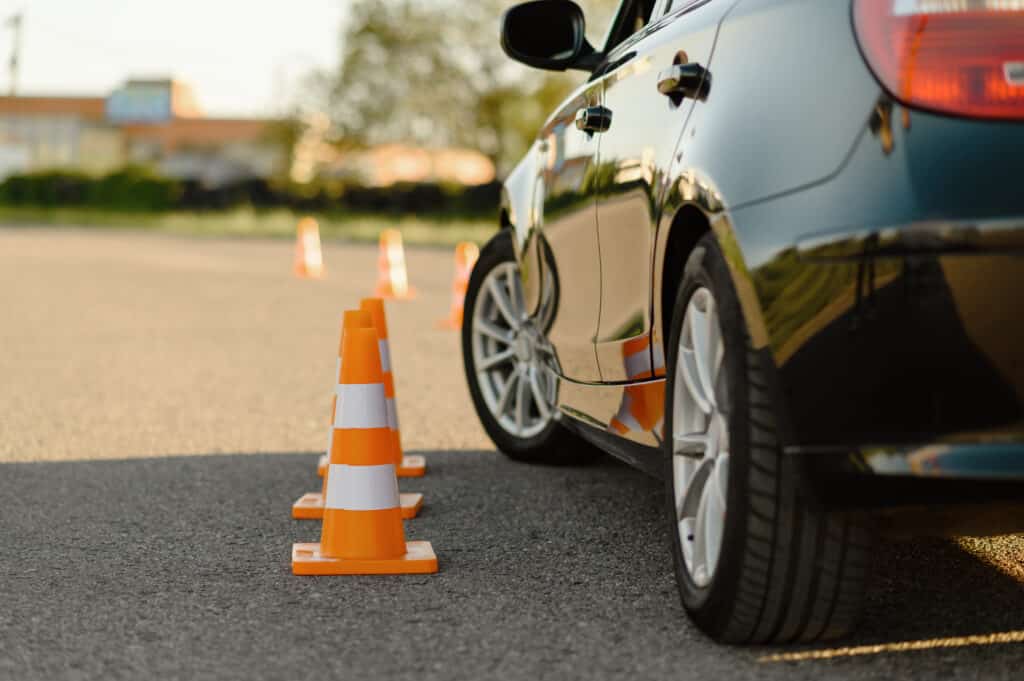
Victoria's long-delayed off-road driving trial has officially begun, with the first drive completed at a testing facility in the Melbourne suburb of Bayswater.
Funded by a A$4.9 million commitment from the Allan Labor Government, the 18-month closed-circuit study is being run by Swinburne University of Technology.
The research aims to determine whether medicinal cannabis patients are capable of driving safely, and to build a clearer picture of how THC affects driving performance and what that means for road safety risk.
A separate trial component is also planned to commence in Anglesea, targeting regional conditions.
Professor Luke Downey, who leads Swinburne's drugs and driving research unit, said: "We've made significant strides in the articulation of our research vehicles, which are specifically designed to assess driving performance in real-world conditions."
During the study, researchers will evaluate how well participants handle distractions and measure key driving behaviours such as steering precision, braking responses, and speed management.
All participants will be monitored throughout, with rigorous safety measures in place at the track. A qualified driving instructor will ride along during every stage of the assessment, with access to dual controls so they can step in immediately if required.
The assessments are being conducted at METEC Driver Training in Bayswater, a private driving facility that replicates real-world road conditions while remaining entirely separate from public traffic.
To be eligible, participants must have been prescribed medicinal cannabis for at least six months to treat a sleep disorder, chronic pain, or a mental health condition. Drug impairment screening will take place both before and after each drive.
Roads and road safety minister Melissa Horne described the trial as a "world first" and said: "We have kicked off the first drive to gain a greater understanding on the effects of medicinal cannabis on driving in Victoria."
Last week, Victoria's upper house passed an amendment giving magistrates the authority to allow medicinal cannabis patients to retain their driving licence when charged after returning a positive THC test, provided there is no evidence of actual impairment.
Advocates are hoping the trial's findings will provide a foundation for broader legislative reform in the area.