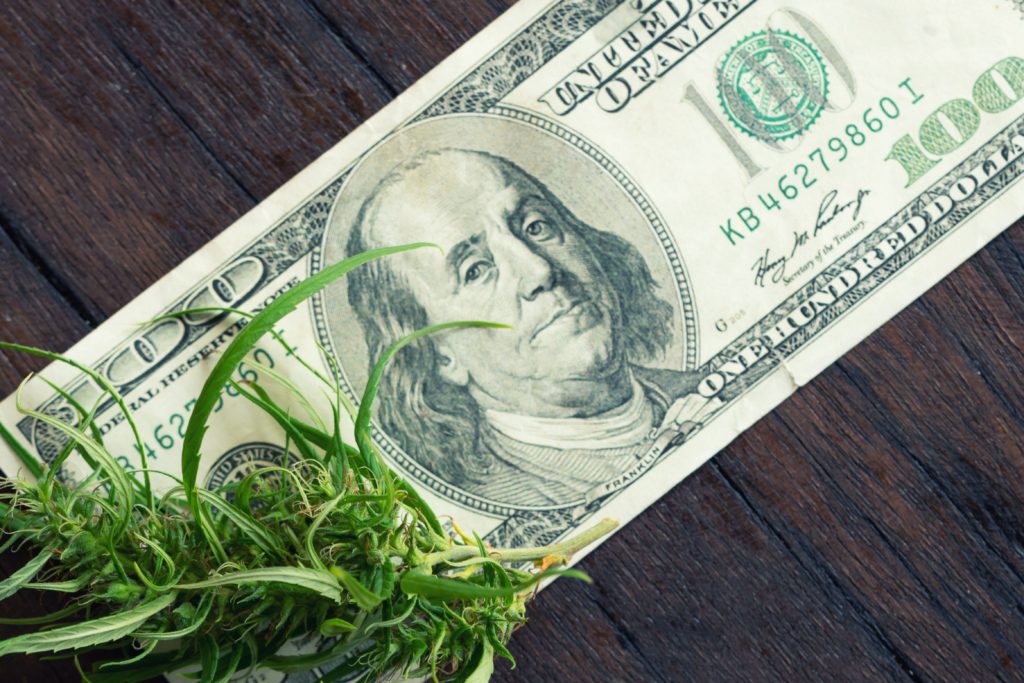
The US presidential election may still have been undecided at the time, but five states where cannabis appeared on the ballot passed measures to legalise recreational and medicinal use.
Voters in New Jersey, Montana and Arizona backed recreational cannabis legalisation, while Mississippi approved a medical use measure. South Dakota went further, with voters choosing to legalise both medical and recreational cannabis simultaneously.
In states approving recreational use, all measures apply to adults aged 21 and over and are set to take effect during 2021.
In Oregon, where cannabis is already legal, voters approved measures to decriminalise small amounts of street drugs and allow the therapeutic use of psychedelic mushrooms.
Analysts predict the sector will grow by US$9 billion over the next five years as a result of the changes.
However, with Democrats unlikely to take control of the Senate this election cycle, hopes are fading for cannabis legalisation at the federal level through the Kamala Harris-backed Marijuana Opportunity Reinvestment and Expungement (MORE) Act.
Cannabis was illegal throughout the US until 2012, when voters in Colorado and Washington approved recreational use.
Since then, several other states have either legalised or decriminalised recreational use and, while it remains illegal at a national level, the newly added states mean around 33% of Americans will soon be able to purchase cannabis legally.