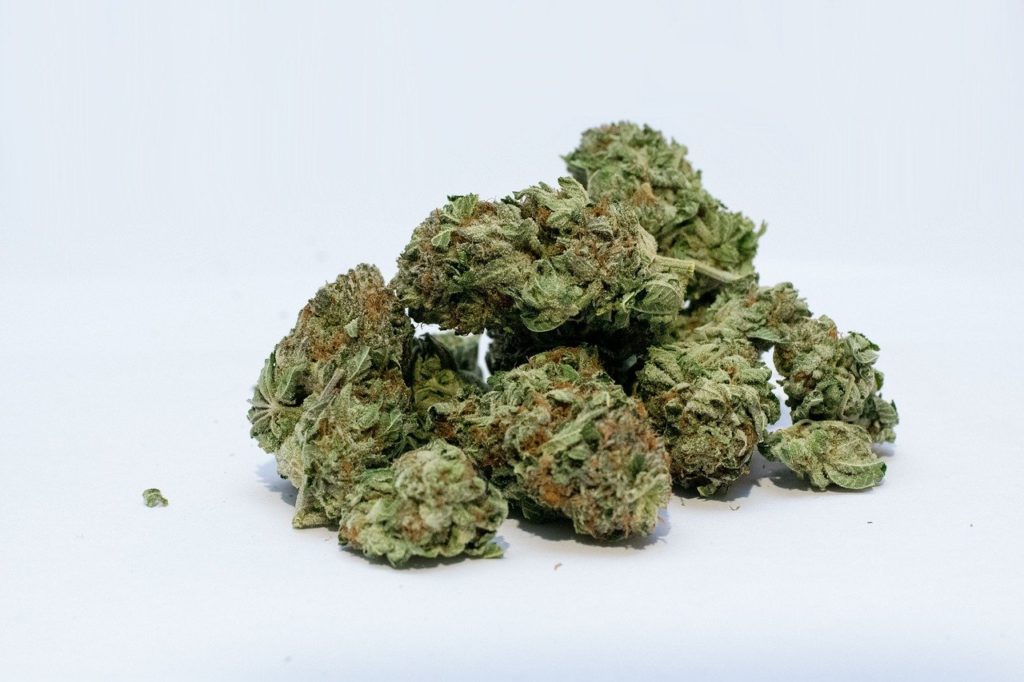
A UK research project examining cannabis's effects on the brain is encountering significant difficulty attracting Black and Asian volunteers, with potential participants expressing concerns about how their data might be used and a broader wariness toward institutional bodies.
The Guardian reports that white participants have "come forward in large numbers" to take part in the study, which aims to understand why cannabis contributes to paranoia and psychosis in some users but not others.
The £2.5 million (A$4.76m) project, headed by Dr Marta Di Forti at King's College London, is intended to open doors for broader medicinal cannabis use and to make illegal recreational consumption less dangerous.
Efforts to bring in Black and Asian users through social media and other outreach channels have been met with suspicion. Although the 'Cannabis and Me' trial team has enrolled 2,200 people across the London area over the past 18 months, they still require hundreds more volunteers from Black African, Caribbean, and Asian communities.
Di Forti said if that remains the case: "We will end up with findings that only represent the white population and they won't be generalisable to Black British people who therefore won't be able to benefit from any advances our study leads to."
Marketing consultant William Gadsby-Smith, who is overseeing the recruitment effort, described it as one of the most challenging projects of his career.
"If you don't trust the police because of years of racist and corrupt practices you lump all of the establishment together and it can be easier to say no than yes," he said, adding attempts to interest the UK's leading Black newspaper The Voice have so far failed.
The research team plans to cross-reference genetic data with socioeconomic details and psychological assessments, hoping to identify connections between a person's biological profile, their social environment, and the way cannabis affects them. The study will also examine consumption methods and the specific strains participants use.
Unjust, a London-based organisation that tackles racism within the legal system, has also chosen not to assist the project.
Founding director Katrina Ffrench said the project's focus on cannabis and psychosis could result in "policymakers ignoring the harms of prohibition and furthering the criminalisation of Black males".
Four out of five people receiving treatment for cannabis-induced psychosis at Di Forti's clinic come from Black and minority ethnic backgrounds.