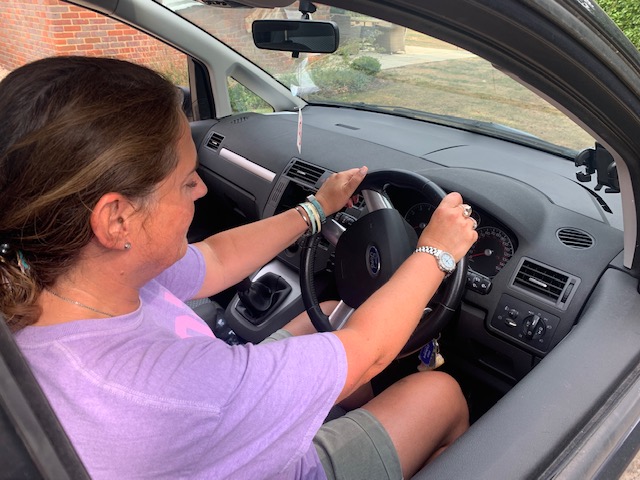
Researchers at Swinburne University are finding it difficult to secure industry backing for a major study examining medicinal cannabis and its effects on driving, even as drug-driving laws remain the "biggest barrier to patient access in Australia."
Dr Thomas Arkell, a research fellow at the university's Centre for Human Psychopharmacology, said his team has so far recruited only four of the 80 patients needed to complete the study within the next 18 months.
He said that while a number of cannabis clinics have shown interest, this has not translated into meaningful participation, with very few patients actually being referred to the study.
"Chronic pain is the most common indication for medicinal cannabis use, so we are confident the patients we are looking for are out there," he said. "It's just a matter of reaching them."
The study specifically requires patients who are on the verge of beginning medicinal cannabis treatment, which makes the involvement of GPs and clinics essential, he noted.
"We need doctors to support us by referring potentially eligible patients before they go and pick up their script and begin using their medication."
The longitudinal study, which has received funding from Victoria's Department of Health and Human Services, aims to examine how medicinal cannabis influences driving performance and cognitive function across the first three months of treatment.
Those who enrol will visit the Centre for Human Psychopharmacology in Melbourne prior to taking the medication for the first time, followed by monthly visits over the subsequent three months.
At each appointment, participants will undergo a simulated driving assessment and a series of cognitive tests. Researchers will also track changes in pain levels, quality of life, and THC concentrations in saliva.
The central question the study seeks to answer is whether medicinal cannabis genuinely impairs driving — and if it does, to what degree and for how long.
Arkell called on clinics and GPs to raise the study with any patient who might qualify, arguing the research would deliver broad benefits across the industry.
"This study is an opportunity for academia to work together with industry and health professionals to ensure that our drug-driving laws are evidence-based and equitable.
"The restriction on driving is perhaps the biggest barrier to patient access in Australia. For most people, giving up your ability to drive while using a THC-containing medication is just too big a price to pay."
He added: "The findings will provide much needed evidence which will play a crucial role in guiding road safety policy both in Australia and overseas.
"It will also facilitate the development of practical guidelines around driving, so that patients can make sensible and informed decisions with the support of their doctor.
"This study is a critical part of the cannabis and driving puzzle."
To find out more, email ta*****@******du.au.