For most of corporate history, the boardroom had a single preoccupation: profit.
Beyond chasing sales targets and appeasing shareholders, little else commanded serious attention. Environmental, social and governance considerations were largely dismissed as peripheral concerns.
Yet while financial performance remains as critical as ever, those once-marginal issues now sit squarely at the centre of many executive agendas.
For Spring Sciences Australia (SSA), environmental, social and governance principles were not an afterthought — they were baked into the company's business model from the outset, shaping how it operates both domestically and overseas.
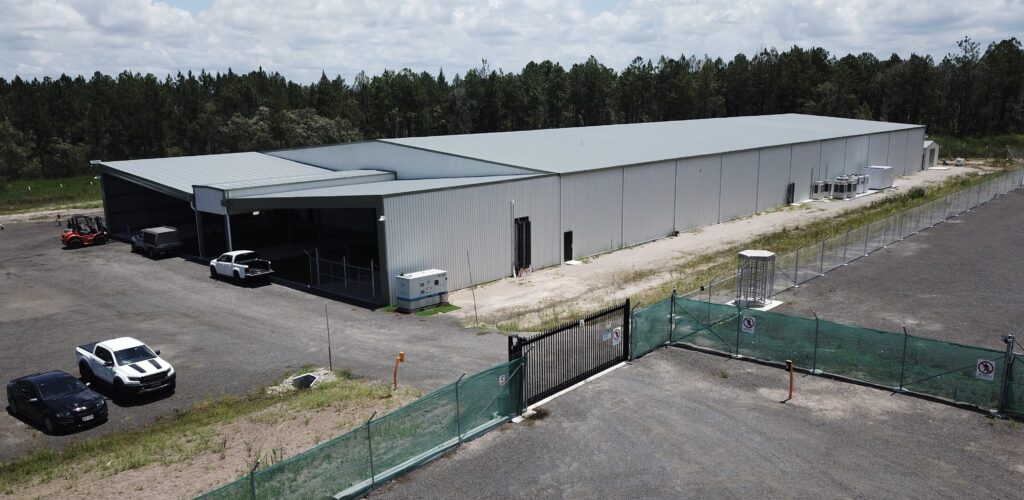
At its advanced indoor facility in Caboolture, just north of Brisbane, the company has rolled out a wide range of corporate and environmental initiatives, complete with ambitious targets.
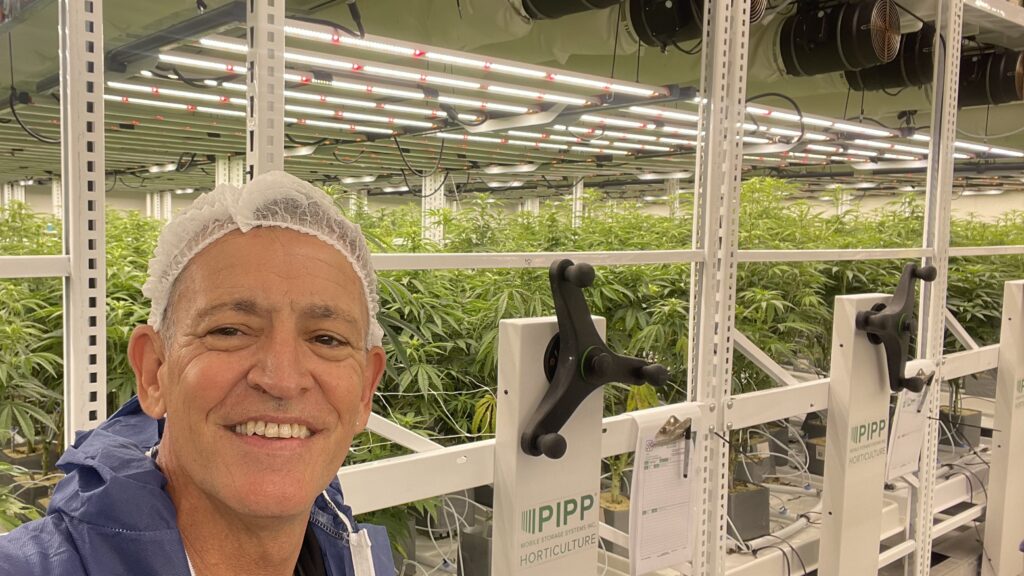
Drawing on its artificial intelligence software — which governs every stage of the growing cycle and generates data across all cultivation output variables — SSA has set goals over the next 12 months to cut energy consumption by 15%, reduce water use by 20%, and lower overall waste by 10%.
"Our commitment to environmental stewardship and social responsibility is foundational to who we are as a business," said SSA chief executive Dr Steve Newbery.
"While achieving operational excellence and hitting our commercial targets is crucial, we believe that success is also measured by our contribution to society, the well-being of our people and our impact on the environment.
"By setting ambitious sustainability goals and fostering a safe, supportive workplace, we're investing in a future where our business not only thrives but also makes a positive, lasting difference."
Beyond its internal sustainability objectives and workplace programs, SSA has embedded itself in social and community-focused work.
As the company mapped its path into the medicinal cannabis sector and examined the therapeutic potential of the medicine, Newbery said the firm grew acutely conscious of the mental health struggles confronting veterans and first responders.
That awareness led to a three-way collaboration with First Response Medical, headed by specialist consultant David Lott, and OnTracka, a clinical trial and real-world data technology company, which tracks patient outcomes across the program.
"There are a large number of veterans and first responders who suffer mental anxiety, stress and trauma as a consequence of their job and the situations they're exposed to," Newbery said. "You can't fail to be moved by their stories. It's exactly the type of program we want to be involved in.
"These partnerships also contribute valuable data to ongoing research, advancing medical knowledge for these critical groups."
Lott said he was "proud to collaborate" with SSA in helping to provide assistance to those who face "immense physical and mental demands on a daily basis".
"Access to medicinal cannabis can be a game-changer, providing a natural option for managing stress, trauma, and chronic pain," Lott said. "This partnership allows us to offer vital resources that improve their quality of life and acknowledges the sacrifices they make in service to others."
SSA's social responsibility work extends well beyond Australia's borders.
A three-way international collaboration is underway involving Botanic Wellness and South Africa-based cultivator Verve Dynamics, with the aim of empowering communities and generating healthcare benefits in Lesotho — a Southern African nation whose government is working to improve the socioeconomic conditions of its 2.2 million citizens.
In a wide-ranging project that has been months in development, the three partners are pursuing several hemp and cannabis initiatives in conjunction with local communities. The goal is to deliver what they describe as "transformative" outcomes by opening economic pathways for small-scale farmers and addressing entrenched social inequalities.
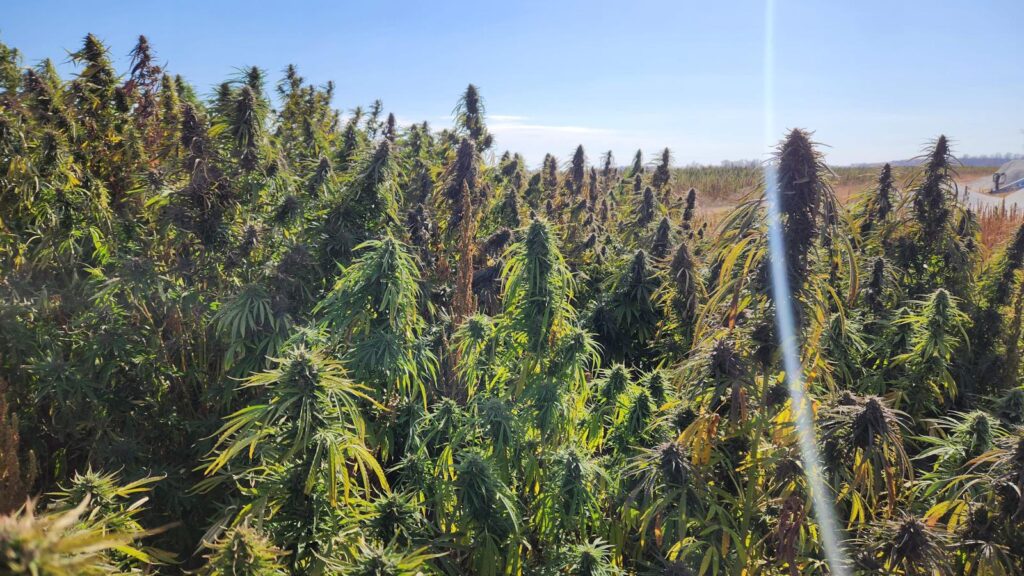
The initiative draws on local resources and will train community members in cannabis cultivation to supply feedstock for cannabinoid extraction, as well as the production of compostable, hemp-based sanitary and phyto-resin products designed to reduce plastic waste.
"Like many geographies around the world, plastic is the scourge of Africa," Newbery said. "Plastic pollution should be the number one environmental concern globally as it remains out of control."
The project will also incorporate green construction using hempcrete, a durable and eco-friendly building material, to help address housing shortages.
To launch the cultivation side of the operation, Botanic Wellness has donated $6m worth of industrial cannabis seed, with the resulting harvest earmarked for CBD extraction.
As the project matures, the aim is to establish a local cooperative of growers that will eventually function as an independent commercial venture.
Over time, the partners hope that global charities and philanthropists will add further backing to the project which, Newbery said, could carry continent-wide significance given the growing appetite for cannabis cultivation across Africa.
Verve Dynamics, founded by chemical engineer and phyto-extracts expert Richard Davies, already runs a cannabis extraction facility in Lesotho. SSA is currently conducting due diligence on a substantial investment intended to scale up production and support the company's supply of product into the Australian market.
Newbery explained that the scope of the Lesotho initiative broadened as talks progressed.
"We conceived a business plan relating to extracts and flower, but as we spoke to Richard about his own social programs and met with the wives of local chiefs in Lesotho, we realised there was a far broader impact that we could have on the local community by creating a completely self-sustaining industry with significant social benefit," he said.
What began as a plan centred on flower production and extraction has since grown to include using industrial cannabis to help address a chronic shortage of women's sanitary products, improve access to women's healthcare, generate employment, and help ease a social housing crisis.
The scarcity of sanitary products is so acute that Verve Dynamics, as part of its own community support efforts, trucks supplies to local communities from Cape Town, 1,000km to the southwest of Lesotho.
Alongside the launch of hemp-based sanitary products designed by Botanic Wellness, the collaboration plans to manufacture other hemp-derived, phyto-resin items — including everyday objects such as straws, bags and cutlery. All will be compostable, offering meaningful environmental benefits for a country burdened by an over-reliance on plastic.
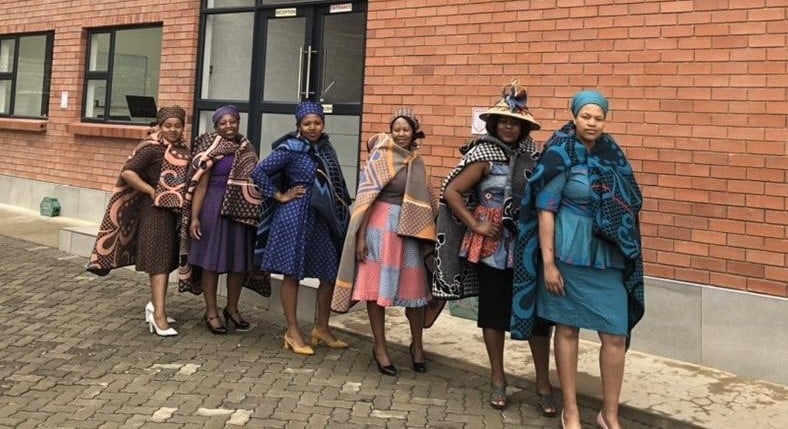
"The aim is to create a self-sustaining, eco-friendly, multifaceted industry built around a locally cultivated product and reduce the reliance on petrochemical products," Newbery said.
"The sanitary products are made from hemp fibre and offer a sustainable alternative to traditional, and inaccessible, sanitary products. This endeavour aims to not only improve women's health and hygiene in underserved communities but to create new jobs and skill-building opportunities for local women.
"It highlights a commitment to tackling social inequalities by providing essential resources that enhance well-being."
Botanic Wellness chief executive Cary Stynes described the project as an "incredible opportunity to empower local communities while making a meaningful impact on public health and the environment".
"Our commitment to this partnership underscores our dedication to innovative, socially responsible solutions that can drive positive change," he said.
After local cultivation and processing facilities are established, a second phase will introduce new product lines before distribution is widened across Southern Africa through partnerships with local cooperatives.
In a bid to extend healthcare benefits further, CBD capsules will be made available at cost to local communities, many of which have been deeply affected by HIV.
Lesotho carries one of the highest HIV burdens in the world, with close to 23% of its population infected. While evidence of CBD's direct effect on HIV symptoms is still limited, the partners believe the broader health benefits for local residents could be considerable.
As the joint Lesotho project evolved, the conversation turned to what else hemp and cannabis farming could contribute. The partnership settled on social housing.
Newbery said: "There is a chronic shortage of housing in this part of the world, so we have designed a model where the dome of the house is sprayed with hempcrete which creates durable housing.
"It is not only cost-effective but also environmentally sustainable."
The project will train local builders and draw on local resources, supporting the growth of green construction methods while enabling communities to become more self-reliant.
Newbery said the Lesotho initiative is focused on building a sustainable hemp industry that delivers enduring economic and social value.
"By fostering local cultivation and manufacturing, the program aims to boost economic growth, enhance health outcomes and provide long-term improvements in the quality of life for the residents of Lesotho," he said.
Such programs, along with SSA's broader environmental and social governance strategy, are "deeply integrated into our overall business model," he added.
"The company's initiatives in Lesotho, its commitment to veterans and first responders and focus on sustainability set it apart as a socially responsible and environmentally conscious business," Newbery said.
"By continuing to prioritise ESG initiatives, SSA is not only positioning itself for commercial success but also contributing positively to society and the environment."