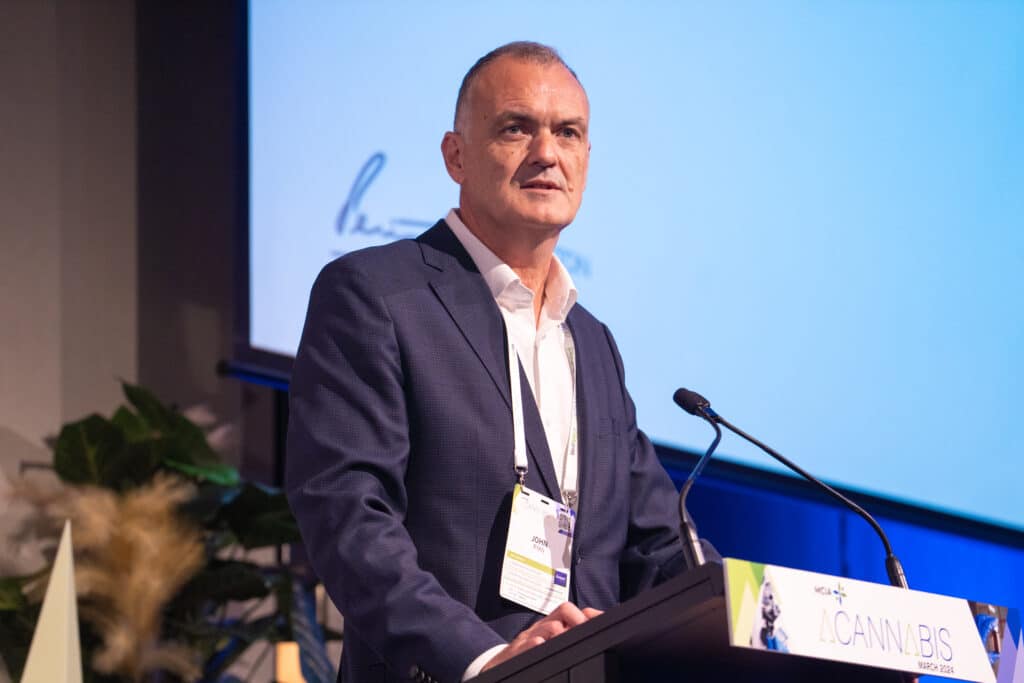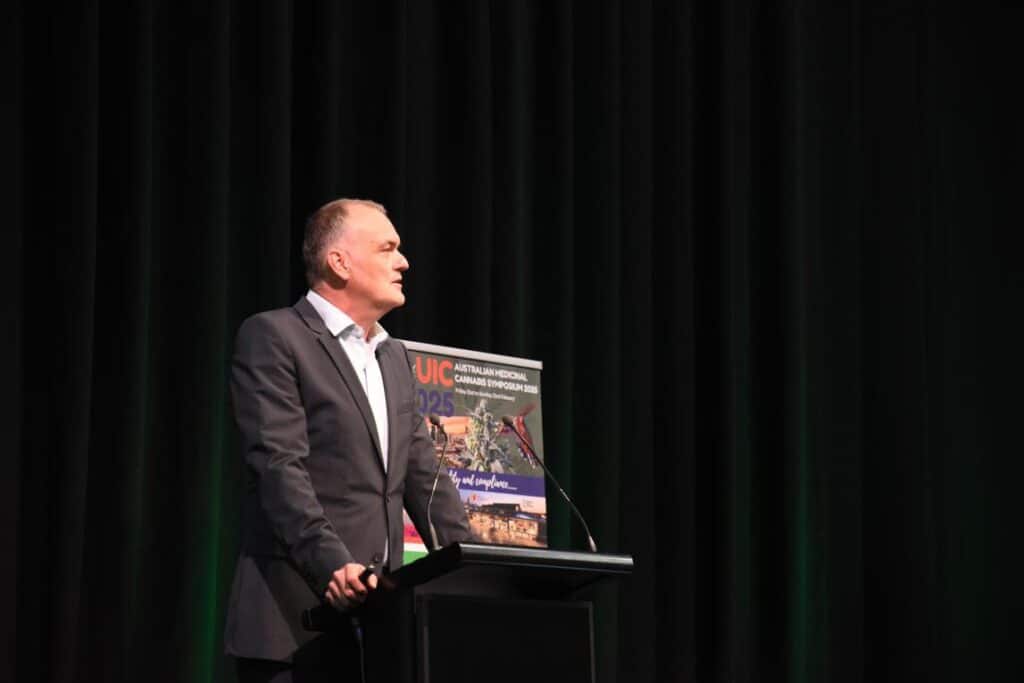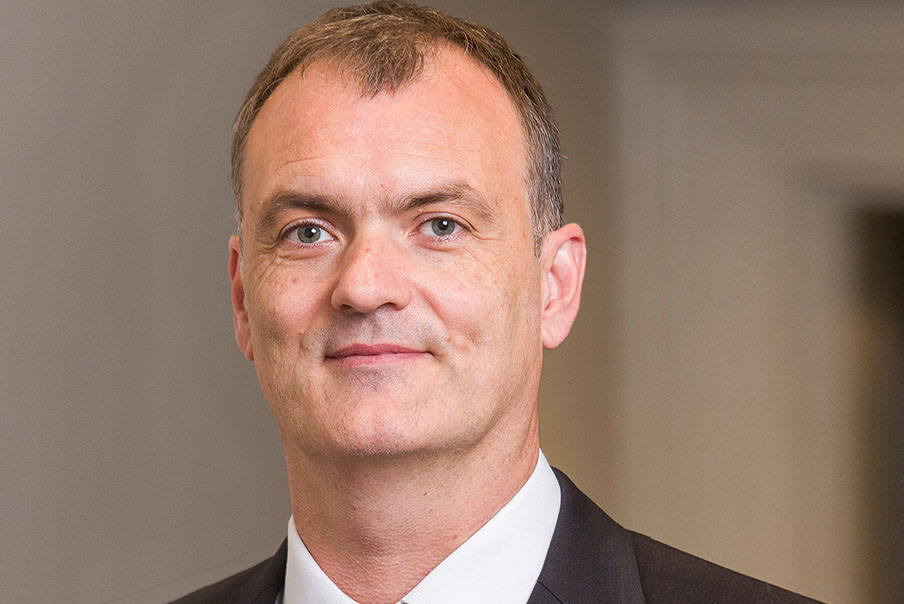
Penington Institute CEO John Ryan has argued that prohibiting adult-use cannabis is inequitable, ineffective, and fiscally indefensible — and that doctors have a meaningful role in reducing the harm it causes.
At the launch of the harm-reduction organisation's second Cannabis in Australia report, Ryan said the country's prohibition model means "we leave 'quality control' for [its] production, composition and distribution… largely to criminal gangs, whilst punishing people who use [it] with criminal sanctions".
Drawing on figures of approximately 218 million cannabis use occasions and 66,000 cannabis-related arrests each year, Penington calculated that just three arrests occur for every 10,000 times the substance is consumed in Australia.
Ryan described the probability of a law enforcement encounter as "clearly ineffective" in deterring cannabis consumption, and called on Australia to follow the growing number of nations adopting alternative regulatory frameworks.
"By shifting from a criminalisation model to a regulated framework, we could see economic development, job creation in regional Australia, and substantial tax revenue to fund treatment and prevention of harm programs," he said.
In the report's foreword, Ryan noted that approximately 90% of all cannabis-related arrests between 2011 and 2021 involved possession of small quantities.
"Law enforcement related to cannabis alone costs Australia $1.7 billion annually – money that could be far better spent tackling serious crimes," he said.
"The economic value of a legal and strictly regulated framework could vastly exceed expenditures on law enforcement, as has already happened in Canada."
The report also points to a steady expansion of the medicinal cannabis sector, though affordability and limited awareness among healthcare professionals remain ongoing barriers to access.
Ryan said: "Access to medicinal cannabis has steadily increased in 2023, more than doubling the previous year's tally. Penington Institute estimates Australians spent approximately A$210 million on medicinal cannabis products in the first half of 2023."
Penington board member and addiction medicine specialist Professor Nicholas Lintzeris said the sector's growth reflected the medicine's untapped potential across a range of health conditions, including cannabis use disorders.
"A prescription for medicinal cannabis allows medical professionals to engage patients about their health; monitor potency, dosage, and frequency of use; and offer products free from toxic contaminants found in illicit cannabis," he added.
Ryan agreed that healthcare professionals should be encouraged to treat medicinal cannabis as a harm reduction tool.
"For people who are heavy or dependent cannabis users, a prescription means a medical professional engaging with them about their health, including dependence issues," he said.
"Prescribing cannabis with medical supervision also reduces the harms caused by the ongoing criminalisation of non-prescribed cannabis."
Ryan said that despite increased prescribing of medicinal cannabis, most features of the Australian cannabis situation remained largely unchanged in 2023, which he contrasted with the "ongoing surge" of reform activity in the US, Canada, and Germany.
He did, however, caution that Thailand's experience should prompt other countries to proceed carefully with adult-use regulation.
"Thailand is an unusual case that proves the importance of carefully considered reforms," he said. "The emergence of a legal grey zone last year resulted in a rush of mostly unregulated cannabis commerce, which is now in the process of being reined in."