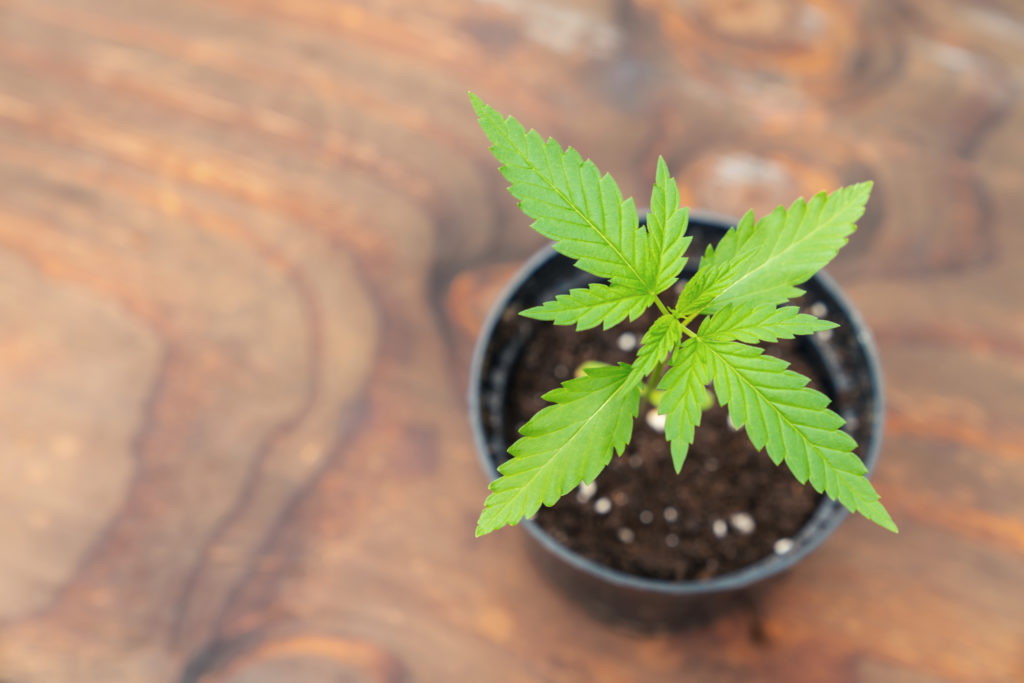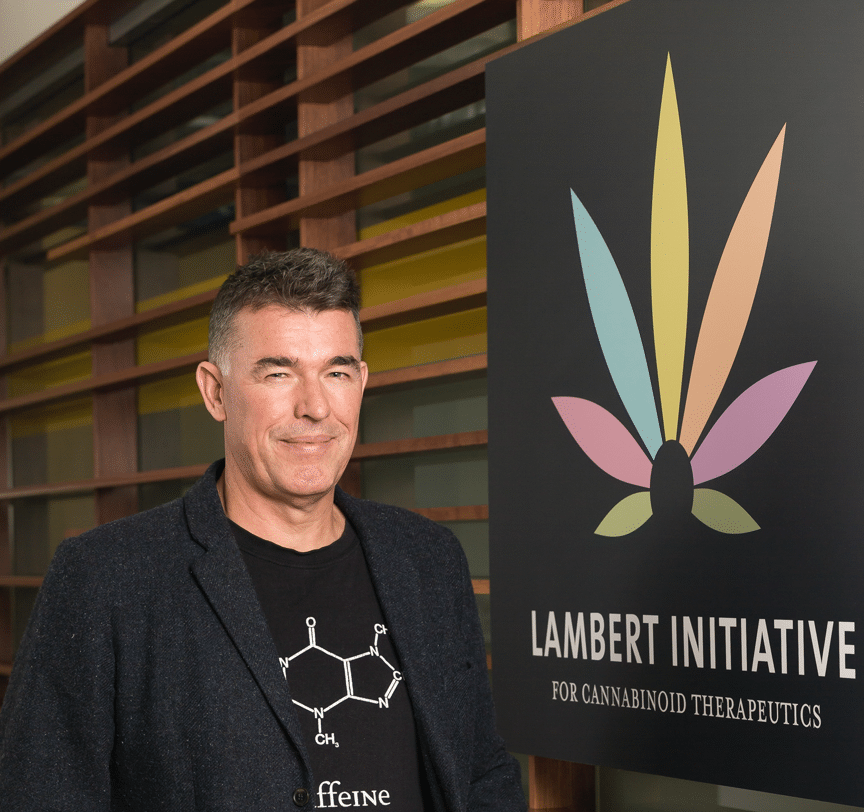
Cannabis grown at home in the Australian Capital Territory is of "decent quality" and contains relatively low THC concentrations, with no clear negative consequences stemming from the territory's legalisation framework, according to new research from the Lambert Initiative.
The study surveyed 311 small-scale growers and concluded that the legalised scheme is functioning as intended, with no overall rise in cannabis consumption recorded.
Rather than producing high-potency cannabis, most home-cultivated plants had modest THC levels, averaging 9%, the research found.
The majority of cannabis samples submitted by participants in the Lambert project were also within recommended thresholds for pesticide residue, heavy metals, and mould.
The researchers believe the findings point to the positive effects of decriminalisation and permitting small-scale home cultivation as part of broader legislative reform.
Among survey respondents, 70% said they grew cannabis for non-medical purposes and 61% for medical reasons. Nearly half said home cultivation allowed them to avoid contact with criminal networks.
Cannabis consumption among growers was modest, at approximately one gram per day.
Lambert Initiative academic director Professor Iain McGregor said other Australian states and territories should pay attention to the ACT's model, which allowed limited home cultivation from 2020.
"The ACT has led Australia in drug policy reform and our study shows you can allow Australian adults to cultivate their own cannabis for medical and non-medical purposes without any obvious adverse outcomes," he said.
"Cultivators exit illegal networks, enjoy the process of cultivation, and grow cannabis of modest potency and decent quality that doesn't cost an arm and a leg.
"There appears to be no overall increase in cannabis use, emergency presentations or driving offences. There are lessons here around incremental drug reform that other Australian jurisdictions can learn from."
The study did identify some tensions in the existing legislation, with the legally permitted number of plants frequently yielding quantities of cannabis that exceed legal possession limits.
Under ACT law, individuals may grow two plants, with a household maximum of four. Possession is capped at 50g of dried cannabis or 150g of fresh plant matter.
The study found that each home-grown plant produced a median of 85g of dry matter and 285g of fresh matter — both above the legal thresholds.

Lead author Dr Cilla Zhou said the regulations need to be updated to address this gap.
"Current laws do not specify how cultivators might limit their harvest when their legal number of plants yield illegal quantities of cannabis," she said. "Further refinement of the relevant legislation… would prevent unintended illegal activity."
A separate inconsistency in the law also emerged: while growing cannabis at home is legal, purchasing seeds and cuttings remains a criminal offence.
The Canberra Alliance for Harm Minimisation and Advocacy said the research provides concrete evidence that allowing home cultivation does not necessarily produce harmful outcomes.
"With other jurisdictions in Australia now actively considering cannabis law reform, this evidence shows allowing adults to grow cannabis for personal use is effective," executive director Chris Gough said.
"It provides an avenue for adults who use cannabis to avoid criminalisation and exposure to the dangers of unregulated markets that doesn't lead to increases in the use or sale of cannabis."