Australian medicinal cannabis telehealth company Dispensed is preparing to expand into New Zealand, a move that has drawn concern from industry bodies across the Tasman.
The company is reportedly scouting locations to place kiosks, with vape shops among the venues under consideration.
Reports citing a Dispensed spokesperson confirmed the New Zealand operation would be locally owned and run, functioning as "a software platform" in the country.
The kiosks are intended to allow patients to "sign up for a medical service tailored to their specific needs", giving them access to "experienced natural medicine doctors, weight-loss doctors, hair-loss doctors, and practitioners specialising in smoking cessation".
The spokesperson said retail stores would "make up a minority of installation sites", according to Stuff, which reported it had obtained emails connected to the launch.
Dispensed indicated the kiosks would be placed in "pharmacies, chiropractor clinics, naturopathic clinics and physiotherapy clinics".
However, Stuff reported that emails showed vape shops had also been approached by the company and told the arrangement offered a way "to generate a recurring income stream in this industry".
Clinics that take part in the program would pay a per-customer fee to use the kiosks.
"This model is a standard fee-for-service technology arrangement and will operate in full compliance with New Zealand's legal and regulatory framework," the Dispensed spokesperson said.
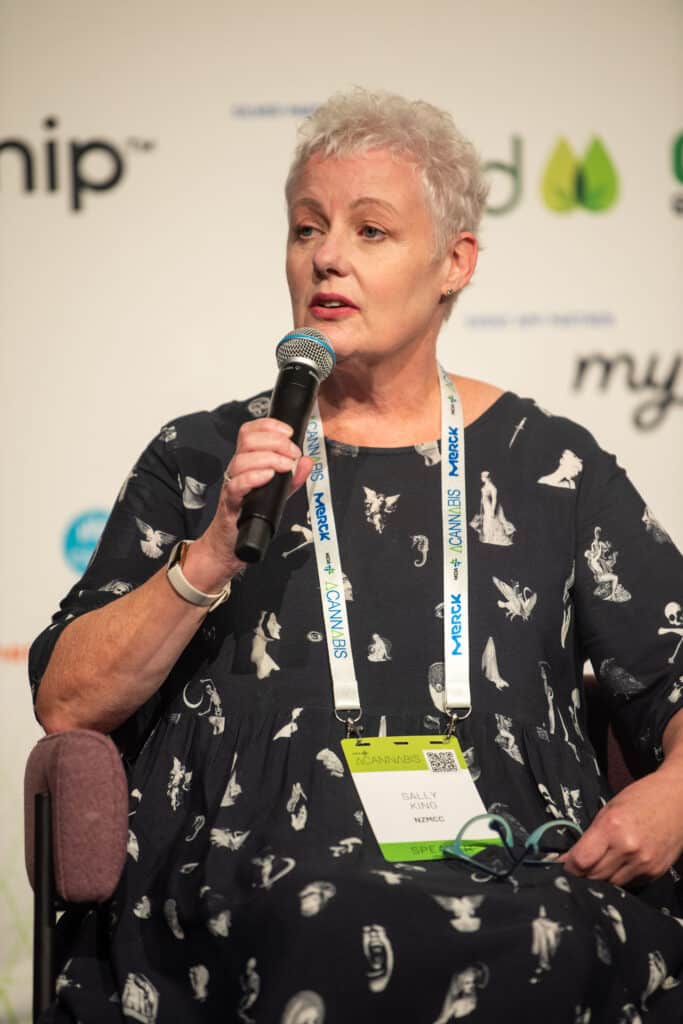
Sally King, executive director of the New Zealand Medical Cannabis Council (NZMCC), said she was "not happy" about non-medical settings being used as access points for medicinal cannabis.
"It isn't, in our view, an appropriate environment," she was reported as saying. "That is very unusual. It is just not the right medical environment in my mind… I sincerely hope they rethink it."
Dispensed said its platform "does not influence clinical decision-making".
All prescriptions are at the discretion of the treating doctor, who is bound by legal and ethical obligations, the spokesperson said.
"Patient safety is our highest priority, and we require all healthcare professionals using our system to exercise sound clinical judgment, adhere to best practices, and follow appropriate monitoring protocols for responsible and ethical patient care."