Continuous education is essential to equipping nurse practitioners with the knowledge needed to prescribe medicinal cannabis ethically and responsibly, argues one of their own, Lisa Dick.
"You can never stop learning about medicinal cannabis."
That message was shared at the recent Australian College of Nurse Practitioners (ACNP) national conference.
For nearly five years, I have been prescribing medicinal cannabis to patients — a treatment that, when approached safely, ethically, and with compassion, has the power to transform lives.
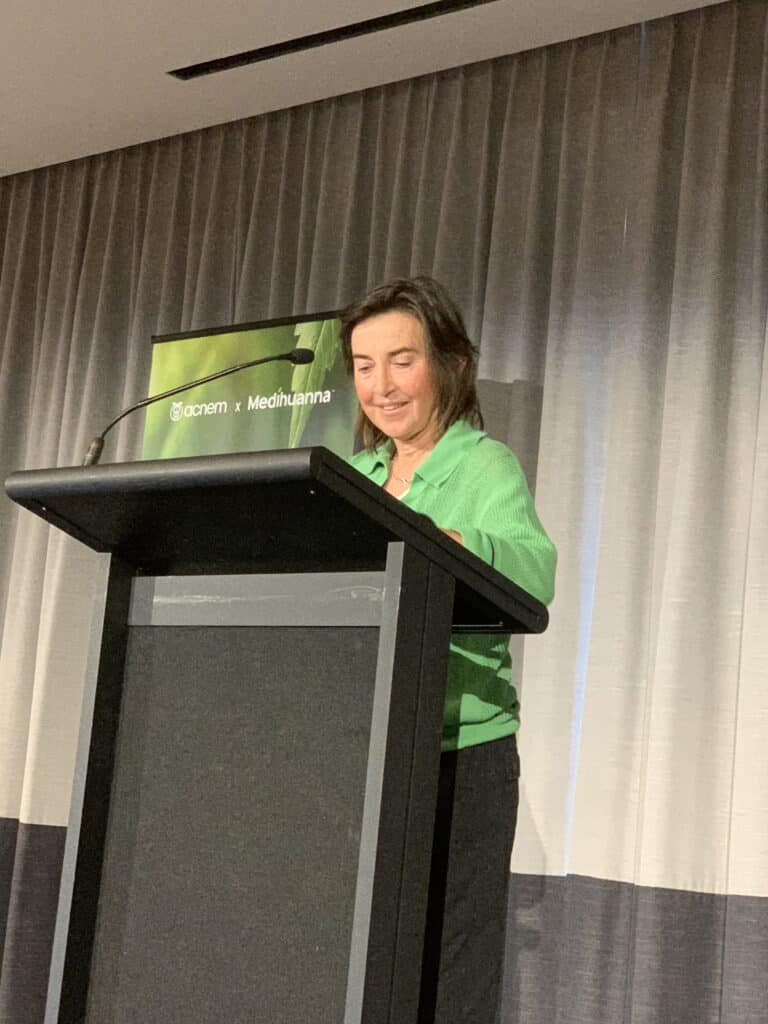
I had the honour of speaking to delegates at the conference, which gave me the chance to share what I have learned through clinical experience with fellow nurse practitioners.
My personal mission is to help nurses practice safely, ethically, and compassionately while meeting their professional responsibilities and standards of conduct.
It is well understood that some medical practitioners and clinic owners within this sector have failed to uphold those standards, doing damage not only to their own reputations but to the broader industry.
For that reason, I am concerned that nurse practitioners working in telehealth may be receiving misleading guidance about the ethical and legal boundaries that apply when prescribing or advising on medicinal cannabis.
Telehealth models can erode clear ethical and legal boundaries, and that exposure puts practitioners at risk of AHPRA notifications and loss of registration.
Consultation practices are a particular concern. Five-minute assessments are incompatible with safe and ethical care, and they place nurse practitioners in a precarious regulatory position.
A thorough, holistic assessment demands time — including checking Safe Script, coordinating with other specialists, obtaining informed consent, and maintaining careful documentation. These are non‑negotiable elements of safe medicinal cannabis care.
One aspect that seems to be frequently overlooked is that products containing THC are schedule 8 controlled drugs. Prescribers must apply the same safeguards, monitoring, and documentation required for other drugs of dependence.
National regulators have made clear that THC-containing medicinal cannabis products require the same level of care as other controlled medicines, and they are actively issuing guidance to support safe prescribing and supply.
AHPRA, the Australian Medicinal Cannabis Association (AMCA), and the Australian and New Zealand College of Cannabinoid Practitioners (ANZCCP) all provide guidance documents that are central to defining safe, ethical medicinal cannabis care.
Their frameworks set out professional obligations, clinical standards, and governance expectations that underpin good patient outcomes and give clinicians practical benchmarks for everyday practice.
Grounding nurse practitioner colleagues in their professional obligations must be a priority. Providing clear guidance is the most reliable way to protect both practitioners and patients.
We can never stop learning about medicinal cannabis if we are to keep patients safe and clinicians protected.
This is an evolving clinical discipline, and education is central to getting it right.
Yet, despite the number of webinars and conferences available, it is the same dedicated clinicians who continue to attend.
Those who most need guidance are often the least likely to show up. To close that gap, accessible, mandatory, and workplace‑based learning must be embedded in practice to reach those at risk and safeguard patients.
I also want to address a change that came into effect this month and the challenges it will bring.
From November 1, nurse practitioners must have an established clinical relationship with a patient — meaning a face-to-face consultation within the past 12 months, unless the patient qualifies for a recognised telehealth exemption — in order to attract an MBS rebate.
This requirement falls disproportionately on patients who are rural, interstate, mobility‑limited, or dependent on specialist telehealth services.
The change poses a genuine risk to equity and quality of care. Tying Medicare rebates to face‑to‑face consultations will push some interstate or remote patients toward cheaper, faster services that compromise on standards.
So where does the sector go from here?
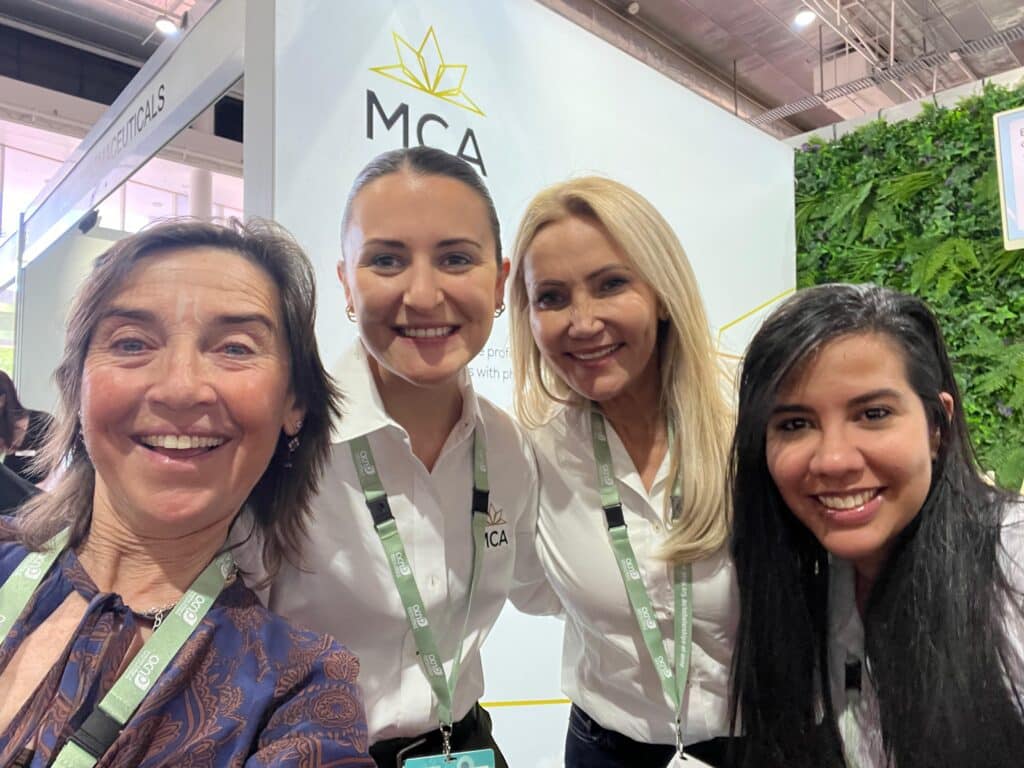
While Medical Cannabis Australia (MCA) was a principal sponsor — and continues to lead on regulatory education through its Duty of Care roadshows — medicinal cannabis sponsors were less prominent at this year's nurses conference. And although some of us have earned the respect of our peers and are valued by the ACNP as knowledgeable cannabis clinicians, systemic change cannot rest on reputation alone.
I work alongside Dr Orit Holtzman at Leura Wellness, and we were delighted to be named Clinic of the Year at the 2025 The Cannabis Observer Awards.
That recognition was a statement about clinical integrity. Yet too many clinics continue to place profit and hype ahead of patient safety, and that behaviour damages the reputation of good clinicians and the patients they care for.
The award reflected our commitment to thorough, patient‑centred care.
The harm caused by unethical clinics and inconsistent standards is real. Without mandatory education, stigma will persist and good clinicians will remain exposed.
I hope that my voice, my passion, and my clinical leadership can help deliver what the sector and the ACNP need to move forward.
I will close with my favourite line: "You can never stop learning about medicinal cannabis."
That phrase captures why ongoing practical education, strong governance, and documented CPD are essential to safe prescribing, reduced stigma, and professional accountability.