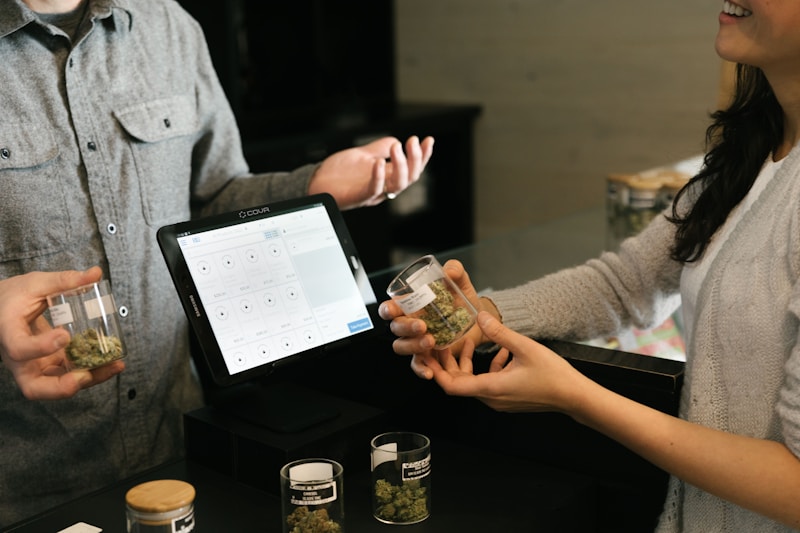
The Virginia Cannabis Control Authority (CCA), which regulates medical cannabis and will soon oversee adult-use marijuana and hemp under a newly enacted law, is running a public survey to gather feedback before drafting regulations for the state's recreational sales program.
CCA said the survey "is designed to bring real-world insight from people and organizations who are part of, or impacted by, Virginia's evolving cannabis market," adding that responses will shape future rulemaking. Respondents pick from topics including retail licensing fees, security, advertising, product labeling, testing, enforcement, hemp products and public health, then submit open-ended comments. Jamie Patten, CCA's acting head and chief administrative officer, said: "This is about making sure we hear directly from the people who are closest to the work and the impacts. Stakeholder feedback is an important part of our process as we work to develop regulations that protect public safety, advance public health, and support a well-regulated cannabis market." The survey runs through July 21. CCA also posted an online explainer summarizing the state's new marijuana and hemp laws.
Late last month, Virginia's Senate and House of Delegates adopted Gov. Abigail Spanberger's (D) amendments to budget legislation legalizing recreational cannabis sales, automatically enacting it into law without further gubernatorial action. Spanberger had vetoed an earlier sales-legalization bill in May after lawmakers rejected her amendments, then negotiated a compromise with Sen. Lashrecse Aird (D) and Del. Paul Krizek (D), the original bill's sponsors.
Under the new plan, sales launch July 1, 2027 (Spanberger's preferred date, versus the original January 1 start). The legal possession/purchase limit rises to 2 ounces, up from the current 1 ounce but below the 2.5 ounces lawmakers initially passed. The excise tax rises from 6% to 8% after two years, as Spanberger wanted. Public consumption becomes a $250 civil penalty—up from $25 currently, but less severe than the class 4 misdemeanor Spanberger had sought. Up to 350 retail licenses will be allowed (versus her proposed 200). A five-member, governor-appointed board will run CCA, rather than the seven-member body lawmakers had proposed. Existing medical operators can enter the adult-use market for a $10 million conversion fee, and businesses must sign labor peace agreements. Underage possession draws a $25 fine plus mandatory treatment/education, rejecting Spanberger's proposed $500 fine, community service and license suspension.
Lawmakers first passed sales legislation in March; Spanberger proposed delaying it, raising taxes and adding penalties. The legislature rejected those amendments in April, prompting her veto. She has said delaying the launch isn't "negative" since getting details right matters more than speed, and has cited conversations with other states' leaders, though her spokesperson would not name them. A recent poll found bipartisan majorities of Virginia voters wanted her to sign the original bill. Spanberger has acknowledged "a lot of people are not pleased" with her veto, including friends and family.
Personal possession and home cultivation have been legal in Virginia since 2021; former Gov. Glenn Youngkin (R) twice vetoed sales-legalization bills. Spanberger separately signed bills this session providing resentencing relief for past cannabis convictions, protecting consumers' parental rights, and allowing medical cannabis use in hospitals.