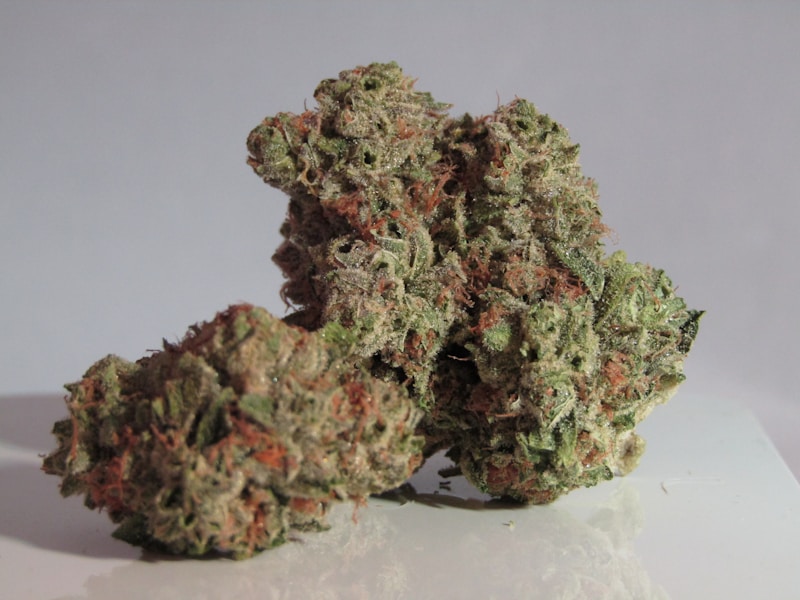
A Texas district judge has issued a temporary injunction blocking state regulators from enforcing rules that would ban smokable THCA flower and other hemp-derived products, allowing sales to continue through at least July 27.
Judge Daniella DeSeta Lyttle's Friday ruling follows a temporary restraining order from a different judge last month. Both stem from a lawsuit filed by the Texas Hemp Business Council (THBC), Hemp Industry & Farmers of America (HIFA), and allied organizations against the Department of State Health Services (DSHS), the Health and Human Services Commission (HHSC), and Attorney General Ken Paxton (R).
The plaintiffs argue DSHS and HHSC bypassed the legislature by adopting a "total delta-9 THC" limit via a post-decarboxylation formula incorporating THCA, effectively banning products legal under the 2019 law, which caps delta-9 THC at 0.3 percent. The legislature passed a bill in 2025 to restrict hemp products, but Gov. Greg Abbott (R) vetoed it.
Lyttle found the plaintiffs have established a "probable right to relief on the merits of their claims." She wrote: "Absent an injunction, Plaintiffs will suffer immediate and ongoing harm to their business operations, legal rights, and economic interests. These harms include disruption of established supply chains, loss of market access, impairment of goodwill and customer relationships, and the risk of significant compliance costs and enforcement consequences under rules that Plaintiffs have shown are likely invalid."
Lyttle's order also blocks fee increases the agencies adopted: manufacturer licenses jumped from $250 to $10,000 per facility; retailer registration from $150 to $5,000 per location. The prior restraining order had not covered the fees.
In a separate ruling Friday, the Texas Supreme Court overturned a lower court injunction that had blocked regulators from classifying delta-8 THC as a controlled substance, concluding the legislature had not clearly legalized potent manufactured delta-8 products in 2019.
In other Texas cannabis developments, officials have conditionally approved new medical marijuana business licenses under an expansion law. In March, voters approved a legalization question on the Democratic primary ballot. A February poll found 40 percent of Texas voters disapprove of how officials have handled marijuana and THC policy, versus 29 percent who approve and 31 percent with no opinion. The state is also proceeding with an ibogaine clinical research program after no drug companies submitted qualifying proposals.