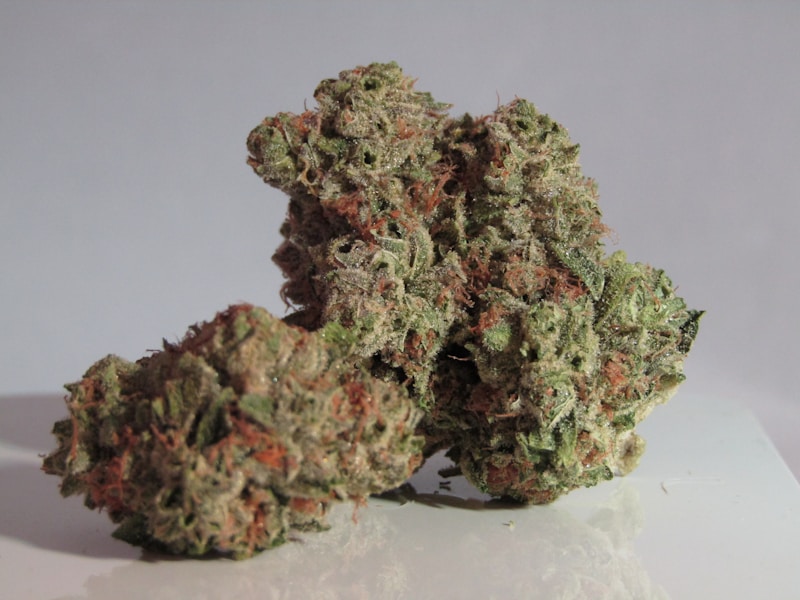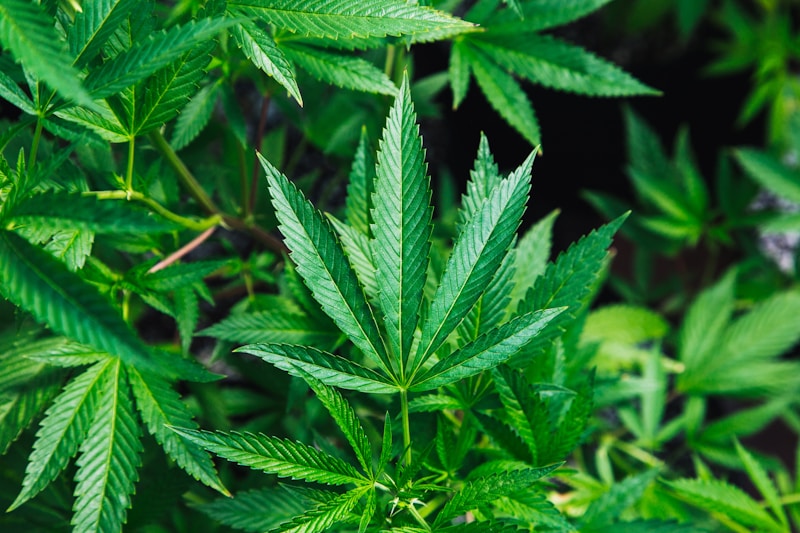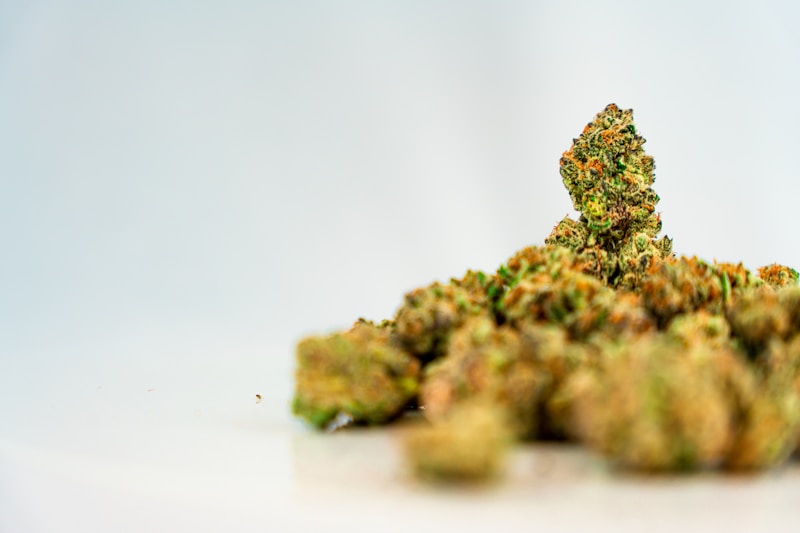
Pennsylvania's House Health Committee voted 23-3 Tuesday to advance HB 2254, introduced by committee chair Rep. Dan Frankel (D), which would require hospitals, long-term care nursing facilities, assisted living residences, and personal care homes to allow terminally ill patients to use medical cannabis on-site—provided it does not interfere with their treatment plan and is not vaporized in ways that could affect other patients. Smoking cannabis remains prohibited under Pennsylvania's existing medical marijuana law. Before passage, the committee adopted an amendment making liability protections explicit, establishing that the access requirement takes effect only once guidelines are in place, and exempting psychiatric facilities where patients may be dealing with cannabis use disorder.
Covered facilities would have 180 days to develop written guidelines on locked storage, safety measures, permitted cannabis forms, and documentation. They need not administer cannabis or allow it in emergency departments, but violations carry civil penalties of up to $500 per violation per day. If the Department of Justice, Centers for Medicare and Medicaid Services, or another federal agency acts against a facility over cannabis use, compliance may be suspended. The Department of Human Services must prepare a sample medical marijuana plan and hold at least five educational sessions.
In his cosponsorship memo, Frankel wrote that while Pennsylvania's Medical Marijuana Act allows terminally ill patients to designate caregivers—including facility staff—to administer cannabis, "adoption remains inconsistent across the state," leaving many patients without access during inpatient or end-of-life care.
The bill advances as Gov. Josh Shapiro (D) pushes lawmakers to legalize adult-use cannabis, projecting $1.3 billion in state revenue over five years; a recent poll found 69 percent of Pennsylvania likely voters in support, including 72 percent of Democrats, 67 percent of Republicans, and 64 percent of independents. The state's Independent Fiscal Office estimated in February that a 20 percent wholesale excise tax, 6 percent state sales tax, and licensing fees would yield $140 million in 2027–2028, rising to $432 million by 2030–2031—above Shapiro's office forecasts of $36.9 million in year one and $223.8 million by 2030–2031. The Democratic-controlled House passed a legalization bill last year proposing state-owned dispensaries; the Republican Senate majority has not advanced its own model. Last month, the Senate Law and Justice Committee approved a bill creating a Cannabis Control Board (CCB) to oversee the medical marijuana program and intoxicating hemp products, with potential future adult-use oversight.