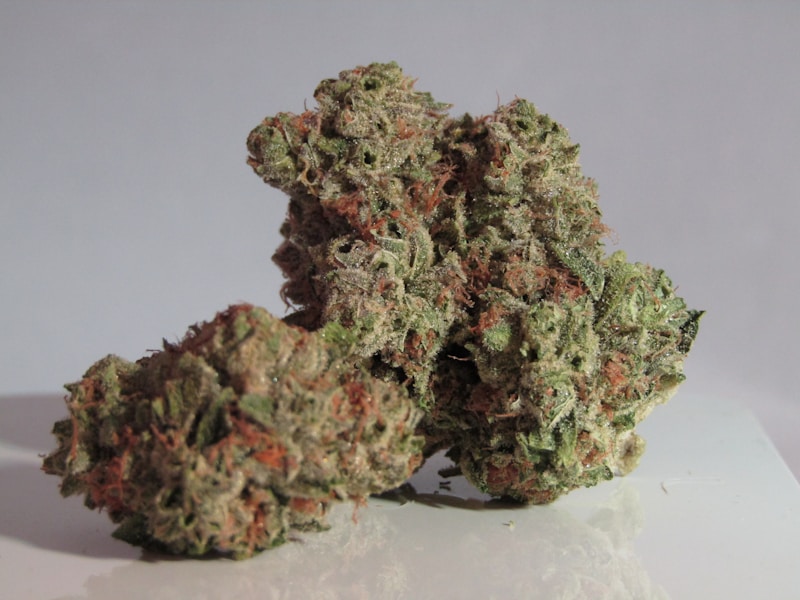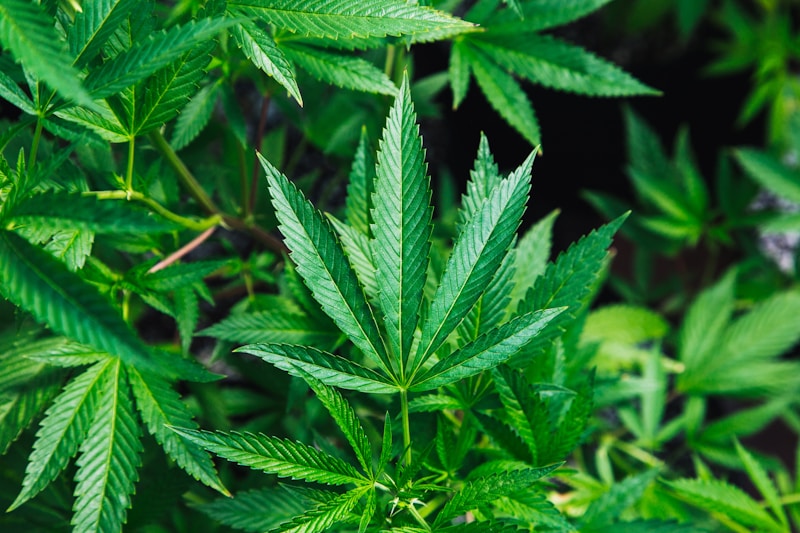
Pennsylvania's Democratic-controlled House passed a $53.2 billion budget on Tuesday by a 107-94 vote, approving Gov. Josh Shapiro's spending plan even though it anticipates revenue from recreational marijuana sales that the state has not yet legalized. Five Republican lawmakers crossed party lines to support the bill, which now moves to the Republican-controlled Senate.
The budget does not itself legalize cannabis but allocates funds expected to flow from it. Senate President Pro Tempore Kim Ward (R), Majority Leader Joe Pittman (R), and Appropriations Committee Chair Scott Martin (R) expressed deep concerns about spending levels in a joint statement, pledging to "continue to fight for a more fiscally responsible spending plan that better positions our Commonwealth to grow and prosper, without placing unreasonable financial burdens on Pennsylvania families and taxpayers."
Shapiro has publicly pressed for legalization, arguing it would generate substantial new revenue. "While some in Harrisburg claim we can't afford to make bigger investments in our kids, public safety, and our economy, know this: If we legalized and regulated adult-use cannabis, we'd bring in $1.3 BILLION in revenue for our Commonwealth over the first five years," he said in a recent social media post.
Pennsylvania's Independent Fiscal Office (IFO) projected in February that legalization—using a 20% wholesale excise tax, a 6% state sales tax, and licensing fees—would generate $140 million in its first year (2027–2028), rising to $432 million annually by 2030–2031. Shapiro's own office estimates lower returns: $36.9 million in year one, increasing to $223.8 million by 2030–2031.
Also on Tuesday, the House Health Committee approved a bill to allow terminally ill patients to use medical cannabis in hospitals and other healthcare facilities.
A recent poll found 69% of Pennsylvania likely voters support legalizing adult-use marijuana for those 21 and older—including 72% of Democrats, 67% of Republicans, and 64% of independents.
In February, a coalition of drug policy and civil liberties organizations urged Shapiro to convene bipartisan legislative leaders to advance legalization this session. Last month, the Senate Law and Justice Committee approved an amended bill to establish a Cannabis Control Board (CCB) to oversee the state's medical marijuana program and intoxicating hemp products, with potential future authority over adult-use cannabis.