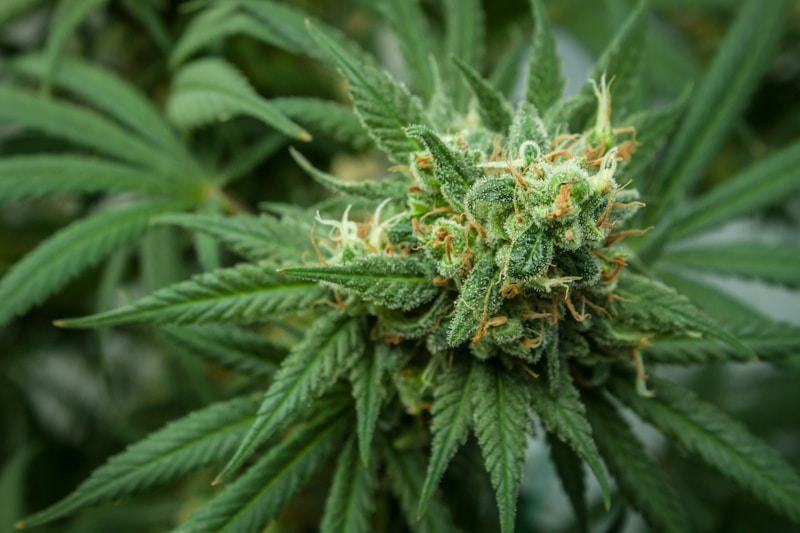
Four North Carolina Democratic senators—Kandie Smith, Caleb Theodros, Paul Lowe Jr., and Joyce Waddell—have introduced a bill that would place two cannabis constitutional amendments before voters on November 3.
The first proposed amendment would add:
“Section 39. Right to possession of limited amounts of cannabis for personal use. The possession of limited amounts of cannabis for personal use shall not be a criminal offense in this State. The General Assembly shall enact general laws governing the possession of limited amounts of cannabis for personal use consistent with this section.”
The second would add:
“Section 39. Right to medical use of cannabis. The possession of limited amounts of cannabis for medical use by patients with qualifying conditions shall not be a criminal offense in this State. The General Assembly shall enact general laws governing the possession of cannabis for medical use consistent with this section.”
“We wanted to put it up to the voters,” Theodros told WNCN-TV. “I think for over a decade now, the General Assembly has failed to act on this question. The only folks who are willing to act are voters.”
Lowe argued that legal medical cannabis could reduce dependence on opioids. “When it comes to medicine, we use opiates a lot. Opiates are extremely dangerous on so many different levels,” he said. “To get people off of opiates, cannabis has proven to be a pathway to help moving people away.”
SB 1027 arrives as Senate President Pro Tempore Phil Berger (R) said the chamber would reconsider medical cannabis following the Trump administration’s federal rescheduling of marijuana. The Senate has passed medical cannabis bills in previous sessions that later stalled in the House. “We’ll have a conversation within our caucus as to whether or not we do something, if they’re interested in continuing to pursue that,” Berger said.
The bill also follows an April report from the North Carolina Advisory Council on Cannabis—convened by Gov. Josh Stein (D) via executive order—recommending immediate adult-use legalization, molecule-based THC regulation that treats hemp and marijuana under a single framework, and protections for medical consumers. The council’s final report is due December 31. Separately, the Eastern Band of Cherokee Indians opened the state’s first marijuana dispensary in 2024.