A federally funded study in JAMA Network Open found that most older adults who pursue cannabis do so to avoid pharmaceutical side effects or because prior treatments failed, making seniors the fastest-growing group of cannabis consumers in the country.
Researchers at the University of Utah Health and the University of Colorado Boulder interviewed 169 adults aged 60 or older from November 2021 to November 2023 within a clinical trial funded by the National Institute of Aging under NIH, focused on those seeking relief from age-related ailments.
Many participants were reluctant to use traditional pharmaceuticals, citing adverse effects, long-term health risks, and dependency; others had exhausted pharmacological and non-pharmacological options—therapy, acupuncture, massage—before trying cannabis. Some sought relief from pain, sleep disturbances, or mood changes; others were influenced by personal networks, medical talks, or media; a subset cited recreational motivations such as social use or replacing alcohol.
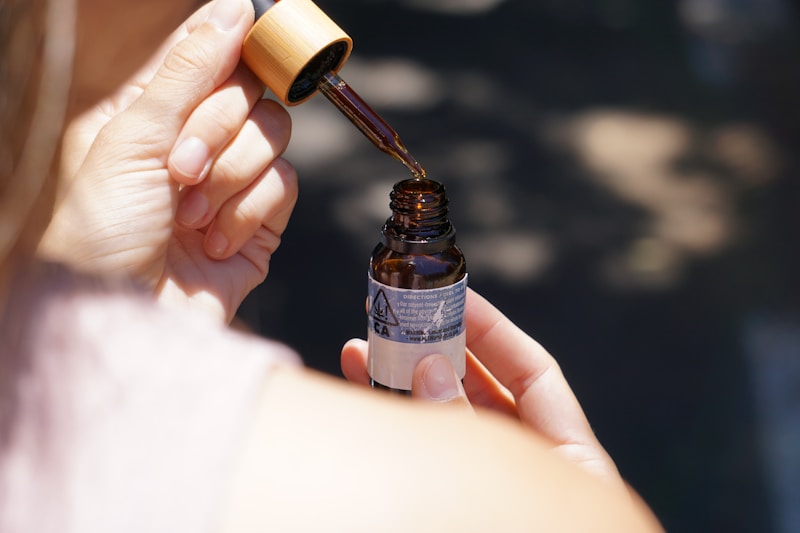
On product selection, 58 percent chose combination THC/CBD edibles, 29 percent selected CBD-dominant products, and 14 percent chose THC-dominant edibles. The top concern with THC-containing products was fear of impairment; for CBD products, it was limited efficacy. Most-targeted conditions were sleep (57 percent), pain (50 percent), and mental health (25 percent).
"For the most part, we found that these folks aren't really interested in getting high. They just want to feel better," said Angela Bryan, senior author of the study.
Co-author Rebecca Delaney, assistant professor of population health sciences at University of Utah Health, added: "We would really love to see more of these conversations happening between physicians and patients to make sure that people feel supported and informed when seeking alternative ways to address their pain."
The study calls for expanded research on THC/CBD combination products and practical clinical guidance tools to help older patients make informed decisions.
A separate study of 3,500+ patients found medical marijuana reduces use of opioids, sleeping aids, and antidepressants with fewer side effects; a federally funded February study found one in three Americans using CBD do so as a medication alternative. AMA-published research further links cannabis legalization to reduced opioid use in cancer patients and lower opioid prescribing. Arizona senior independent living communities are adding kiosks for cannabis purchases from licensed dispensaries, and President Donald Trump last year shared a video promoting cannabis health benefits, calling CBD coverage under Medicare “the most important senior health initiative of the century.”