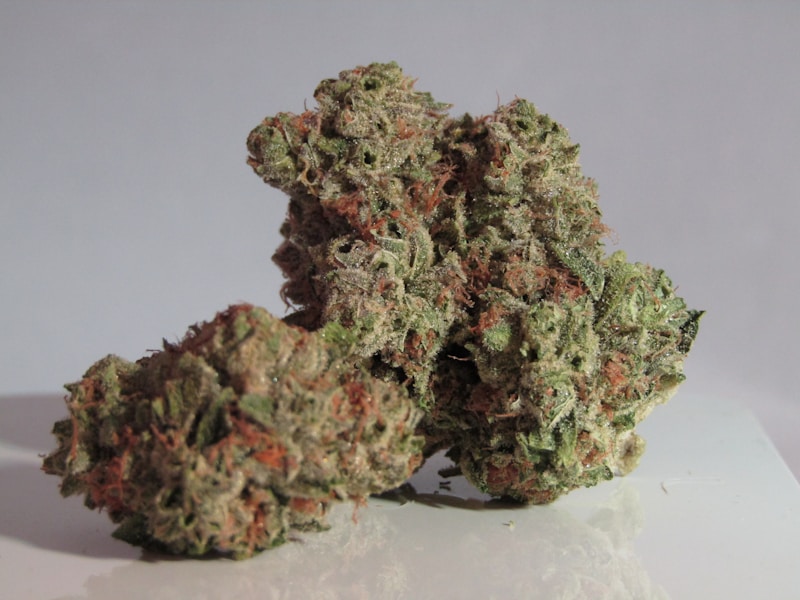
A new prospective observational study from the University of Pennsylvania's Perelman School of Medicine found that providing medical cannabis at no cost to chronic pain patients helped many reduce or eliminate opioid use over five months.
The trial, conducted at the Hospital of the University of Pennsylvania and published in the Cureus Journal of Medical Science, enrolled 29 adults with a median chronic pain duration of 11 years who were already taking opioids but had been unable to taper despite prior treatments. Participants were recruited from a university-based outpatient chronic pain clinic and assessed monthly using the Numeric Pain Rating Scale (NRS); daily opioid use was tracked in morphine milligram equivalents (MMEs).
Mean daily opioid consumption fell from 46.8 MMEs/day at baseline to 16.2 MMEs/day at one month and remained low across the full five-month follow-up—a sustained reduction of roughly 32 MMEs per day. Seven patients (24%) discontinued opioids entirely, five of them by the second month, and pain scores also declined significantly throughout the study.
The researchers describe the trial as "the first prospective observational study evaluating medical cannabis as an alternative to opioids in a setting where cost was removed as a major barrier," noting that participants had consistently cited cost as an obstacle before enrollment.
"Although cannabis has historically been characterized as a potential 'gateway drug,' it may also serve as a harm-reduction tool for some patients seeking to reduce reliance on higher-risk opioid medications," the authors wrote, concluding that "the findings of this study add to the growing body of literature supporting the safety profile and potential therapeutic role of cannabis."
The authors acknowledged key limitations: the sample was small and drawn from a single site, there was no control group, and patients self-titrated their cannabis products, introducing variability in dosing and frequency.
The findings follow a separate study of more than 3,500 patients linking medical marijuana use to reduced consumption of opioids, sleeping aids, and antidepressants, with fewer side effects after switching. They also come after President Donald Trump described marijuana as capable of making people "feel much better" and acting as a substitute for opioids, and after the Trump administration announced it is moving marijuana from Schedule I to Schedule III of the Controlled Substances Act.