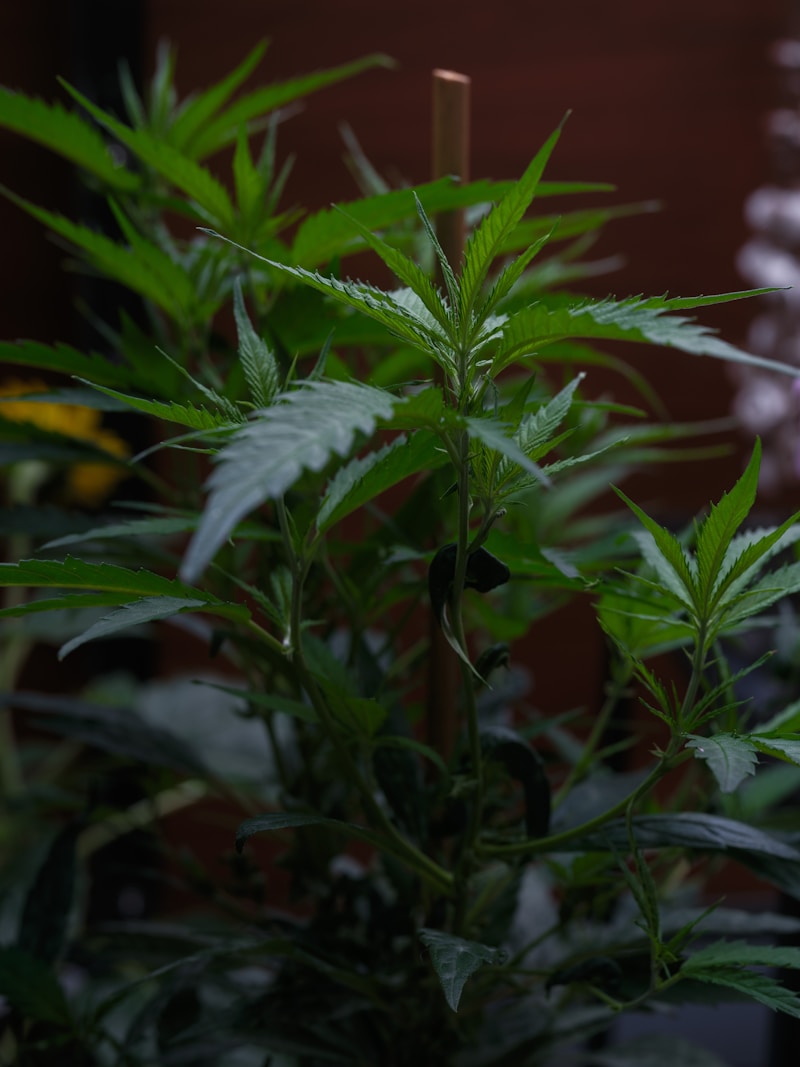
A coalition of Massachusetts cannabis business owners, healthcare professionals, and other advocates launched the Stop the Repeal Campaign on Thursday to oppose a ballot initiative expected to appear in November that would repeal regulated commercial recreational marijuana sales while keeping possession legal and preserving the medical cannabis system.
Campaign chair Ryan Dominguez said cannabis has brought in "close to $2 billion in state and local revenue" since legalization, generating hundreds of millions annually for public health, public safety, and community programs. He also criticized the effort as driven by "out-of-state special interest groups." Fitchburg Mayor Sam Squailia, also at the press conference, warned that repealing recreational cannabis would create serious budget shortfalls for communities relying on cannabis revenue to fund schools, transportation, and essential services. The campaign says Massachusetts has more than 700 licensed cannabis businesses supporting at least 20,000 jobs.
The Coalition for a Healthy Massachusetts, which backs the rollback and is largely funded by SAM Action, the affiliated group of Smart Approaches to Marijuana (SAM), fired a signature gatherer earlier this month after video surfaced showing him apparently telling pro-cannabis voters to sign the petition in order to vote it down. The same man was also collecting signatures for a similar Maine measure that would repeal adult-use cannabis sales and home cultivation while keeping possession legal and adding new medical cannabis testing requirements. A SAM staffer declined to comment on the conduct.
The Coalition said it has "zero tolerance for any circulation tactics that would mislead petition signers," adding: "The identified canvasser was immediately terminated, in coordination with our vendor, upon being made aware of the alleged conduct."
Earlier, the Massachusetts campaign faced accusations of using fake cover letters tied to unrelated measures on affordable housing and same-day voter registration. Cannabis supporters filed a formal complaint, which the State Ballot Law Commission rejected. A separate industry lawsuit arguing the initiative contained "impermissibly unrelated subjects" and that the attorney general's summary was "misleading and deficient" was likewise rejected by the state Supreme Judicial Court.
Under Massachusetts law, ballot campaigns must submit signatures in two rounds. After lawmakers declined last month to act on the measure, organizers must now submit 12,429 certified signatures by July 1 to reach the November ballot.