New Study Finds Marijuana's 'Entourage Effect' Depends On Specific Terpene-Receptor Interactions
The Cannabis Observer
·
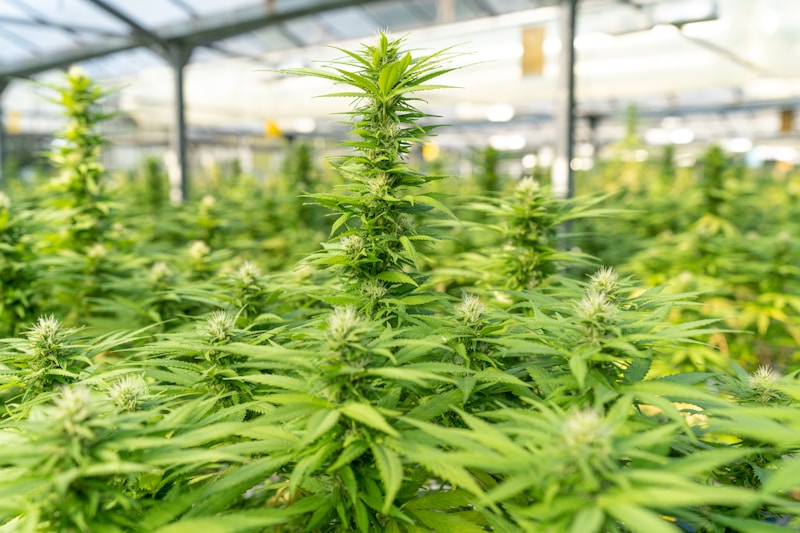
Researchers at the Open University of Israel have found new evidence for marijuana's "entourage effect," in which cannabis compounds combine to produce results greater than their individual effects, but say the phenomenon is more complex than previously understood.
The team determined that terpenes don't simply amplify THC's effects uniformly — the outcome depends on which terpene and which cannabinoid receptor is involved. Borneol, limonene, sabinene, terpineol, α-pinene and ocimene showed synergy with THC at CB1 receptors, while β-caryophyllene and linalool were synergistic at CB2 receptors.
The pre-proof study, set for publication in Biochemical Pharmacology, states: "Terpene mixtures displayed dose-dependent CB1R activation, and several mixtures synergistically enhanced THC responses. Together, our findings suggest that cannabis terpenes may act as both partial orthosteric agonists and allosteric modulators at CB1R and CB2R."
The authors said the results "refute early, overly broad interpretations of a generalized 'entourage effect,' replacing them with terpene-specific mechanistically based framework," and called for formulation design that accounts for receptor specificity.
Because terpenes are generally recognized as safe, they "may offer regulatory and safety advantages over synthetic cannabinoid-receptor modulators," the researchers wrote, while cautioning further work — including mutagenesis, structural modeling, allosteric site mapping and clinical trials — is needed to confirm whether receptor-level synergy translates into real-world analgesic, anti-inflammatory or neuroprotective benefits. The team recommended moving away from generic "full-spectrum" products toward formulations enriched with select terpenes for targeted therapeutic goals.
The findings add to a growing body of entourage-effect research. A 2024 review in the International Journal of Molecular Sciences said cannabinoid-terpene interactions "offers hope for novel treatment approaches." A separate 2024 study funded by the National Institute on Drug Abuse found injected terpenes reduced pain markers about as effectively as morphine, with no reward response, while D-limonene was shown to ease THC-related anxiety and paranoia. A 2023 study found cannabis products with more diverse natural cannabinoids produced stronger, longer-lasting highs than pure THC. A 2018 study found epilepsy patients using plant-based CBD extracts had better outcomes and fewer side effects than those using purified CBD. Scientists last year also identified previously unknown compounds called flavorants responsible for cannabis strains' distinct aromas. Similar synergy has been reported for psychedelic mushrooms, with a March study finding full-spectrum extract produced stronger effects than synthesized psilocybin alone.
Related Articles