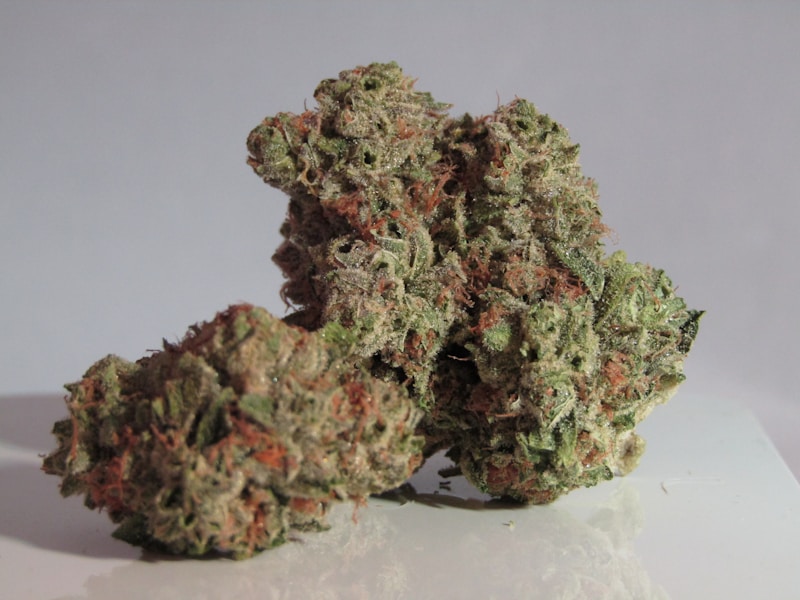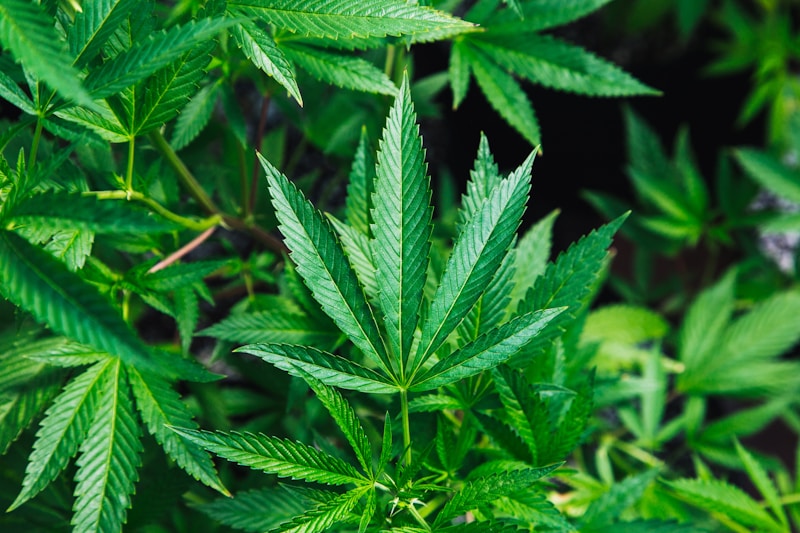
Iowa's legislature has passed HF 990, a bill that would expand the state's medical cannabis dispensary cap from five to 10. The House approved the measure 88-5 last month; the Senate passed it 42-5. The bill now sits with Gov. Kim Reynolds (R), who may sign it, veto it, or let it become law without her signature.
Bridget Spiddle, public policy and communications coordinator for the Marijuana Policy Project (MPP), described the reform as "a vital step in expanding medical cannabis access for one of the most restrictive medical cannabis programs in the country." She said: "No other medication gets treated like cannabis does. Pharmacies are widely accessible throughout Iowa, while dispensaries are capped at five locations for thousands of patients. Rural Iowans have to expend enormous amounts of time and resources on costly travel to receive their medicine."
The bill would also permit out-of-state residents to enroll in Iowa's medical cannabis program if they hold a certification from an Iowa healthcare provider.
Iowa's Medical Cannabidiol Board recommended in a 2023 report that the state issue additional licenses to "provide Iowans with greater geographical access to medical cannabis products." Under current program rules, qualifying patients may obtain cannabis products containing up to 4.5 grams of THC per 90-day period; flower and smoking are prohibited. Healthcare practitioners may authorize higher THC amounts for terminally ill patients or those with sufficient program experience for whom the standard limit is inadequate.
Separately, Iowa lawmakers are weighing a bill to create a state-regulated therapeutic psilocybin program for patients with post-traumatic stress disorder (PTSD). Last year, Reynolds vetoed legislation that would have allowed Iowa doctors to immediately prescribe a synthetic form of psilocybin upon FDA approval of the substance, arguing it "surrenders state authority to make an informed determination about classification to federal officials."