By Leslie Bonilla Muñiz, Indiana Capital Chronicle
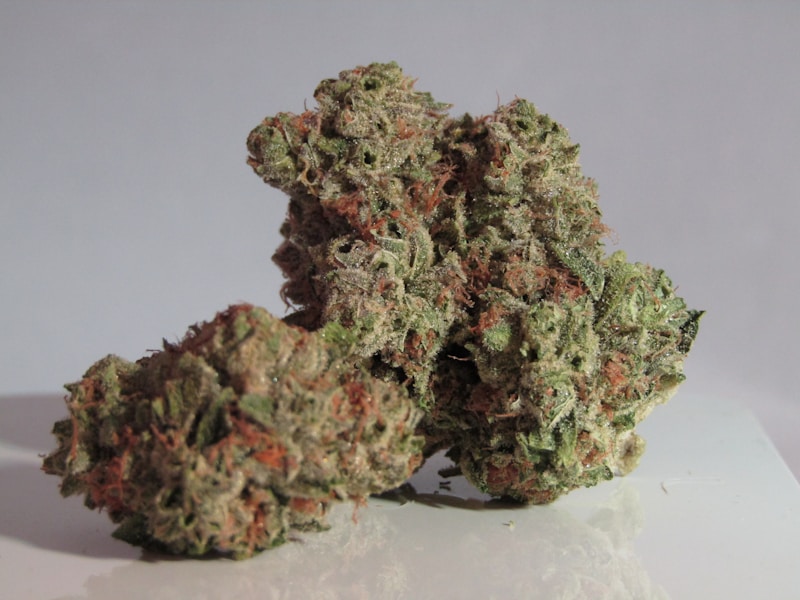
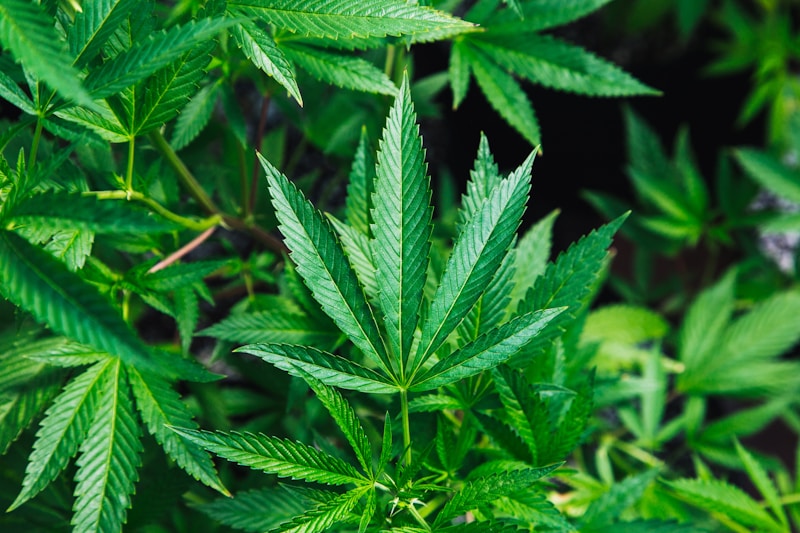
Indiana Gov. Mike Braun (R) said Tuesday that federal marijuana rescheduling has made state legalization more likely, pointing to Indiana's position amid neighboring states that have already acted.
Illinois, Michigan, and Ohio permit recreational use; Kentucky has authorized medical marijuana. Indiana is one of 10 states with no medical marijuana law.
The Trump administration this week rescheduled medical marijuana—licensed by a state—to a less restrictive federal category, while keeping recreational marijuana among substances with the highest abuse potential. The administration also initiated an expedited administrative hearing to reconsider that classification.
"I think the fact that the feds made that move, that makes it more likely," Braun said. "You've got to take what's evolved over time. [If you] stick your head in the sand, you're generally going to make the wrong decision."
Braun noted that cross-border cannabis traffic is "noticeable" and said law enforcement input would factor into any decision, while deferring to legislative leaders on timing. As a 2024 gubernatorial candidate, he had indicated openness to medical sales only, not recreational.
Braun's comments came shortly before the release of two RAND studies commissioned in 2024 by the Richard M. Fairbanks Foundation—an Indianapolis organization focused on health and education—covering Indiana's current cannabis situation and potential regulatory frameworks.
Emi Whitesell, Fairbanks' vice president of impact and evaluation, said the foundation took no stance: "We don't have a position. This is purely informative."
Indiana has not banned delta-8 THC, THCA, or other intoxicating cannabinoids, making such products "ubiquitous," RAND found. A federal ban takes effect in November; several bills have been filed to delay it.
RAND found 44 percent of Hoosiers—nearly 3 million people—live within a 50-mile drive of a licensed out-of-state dispensary, and 96 percent, or 5.6 million people, within 100 miles. Residents spend roughly $1.8 million on marijuana annually; state enforcement costs run $10 million–$20 million per year.
Policy options outlined include maintaining prohibition, reducing criminal penalties, expanding expungement, or joining the 24 states that have legalized recreational use. A medical framework would require additional decisions on qualifying conditions, recommending professionals, licensing fees, and patient procurement.
Full legalization could generate $180 million in annual tax revenue by year five—about 1 percent of Indiana's $18 billion General Fund—with a projected range of $100 million to $270 million.
Reporter Mackenzi Klemann contributed.
This story was first published by Indiana Capital Chronicle.